

Extreme weather
Army mobilised as heavy rains trigger deadly floods across Tunisia
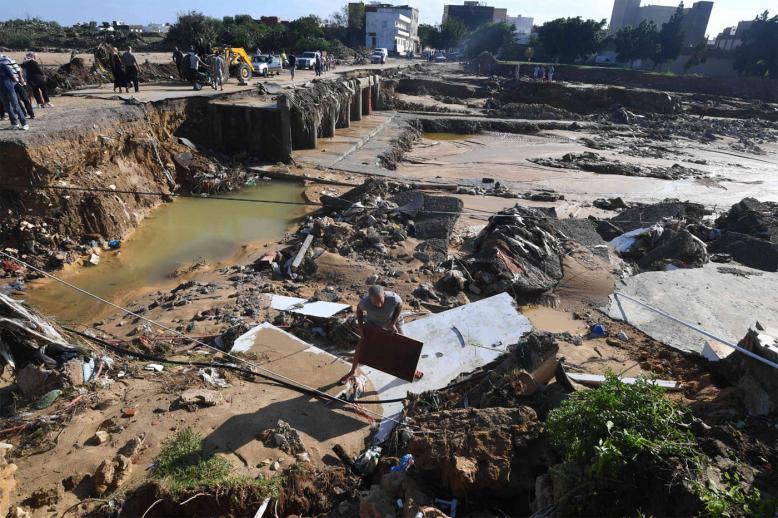
The decision to deploy military units follows appeals from citizens whose neighbourhoods were inundated by fast-moving floodwaters, particularly in northern and eastern regions.
Tuesday 20/01/2026
Extreme weather
TUNIS – Four people have died in Tunisia after unprecedented rainfall triggered severe flooding across parts of the North African country, prompting President Kais Saied to order the army to assist in rescue and relief operations.
The decision to deploy military units follows appeals from citizens whose neighbourhoods were inundated by fast-moving floodwaters, particularly in northern and eastern regions where infrastructure was unable to cope with the deluge.
Authorities confirmed that all four fatalities occurred in Moknine, in the Monastir governorate. Civil defence spokesman Khalil Mechri reported that “two people were swept away by floodwaters, while a woman drowned in her home.”
Abderazak Rahal, head of forecasting at the National Institute of Meteorology (INM), described the rainfall as “exceptional,” noting that some areas of Tunisia had not seen such heavy precipitation since 1950.
“We have recorded exceptional amounts of rainfall for the month of January,” he said, adding that Monastir, Nabeul and the wider Tunis region were hardest hit.
The army, according to a Defence Ministry source speaking on condition of anonymity, is supporting relief efforts as part of its mandate within the national commission for combating natural disasters. Officials emphasised that the army’s presence is crucial for navigating difficult terrain and extreme weather, while also providing reassurance to affected communities and coordinating operations alongside the civil defence.
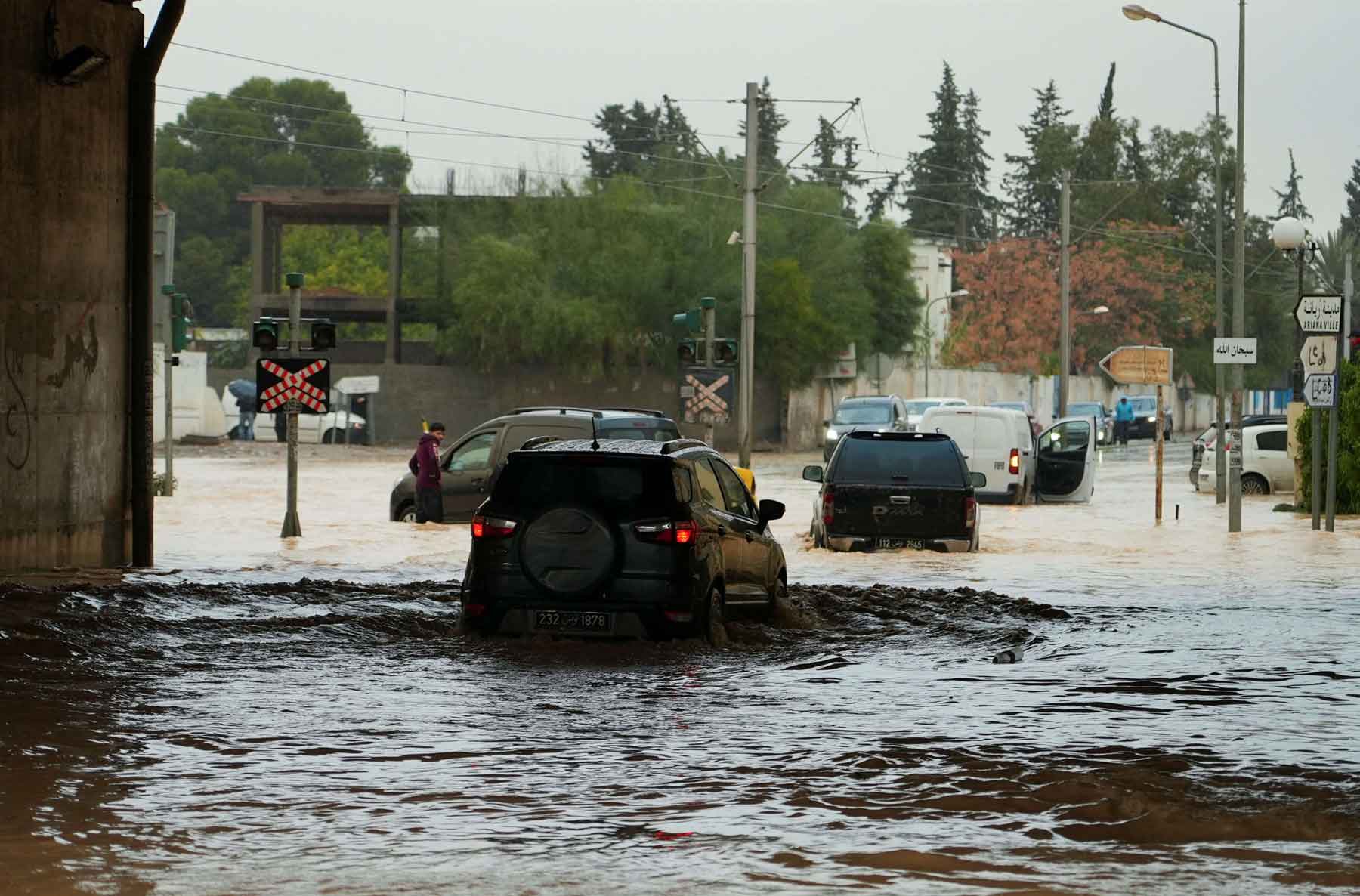
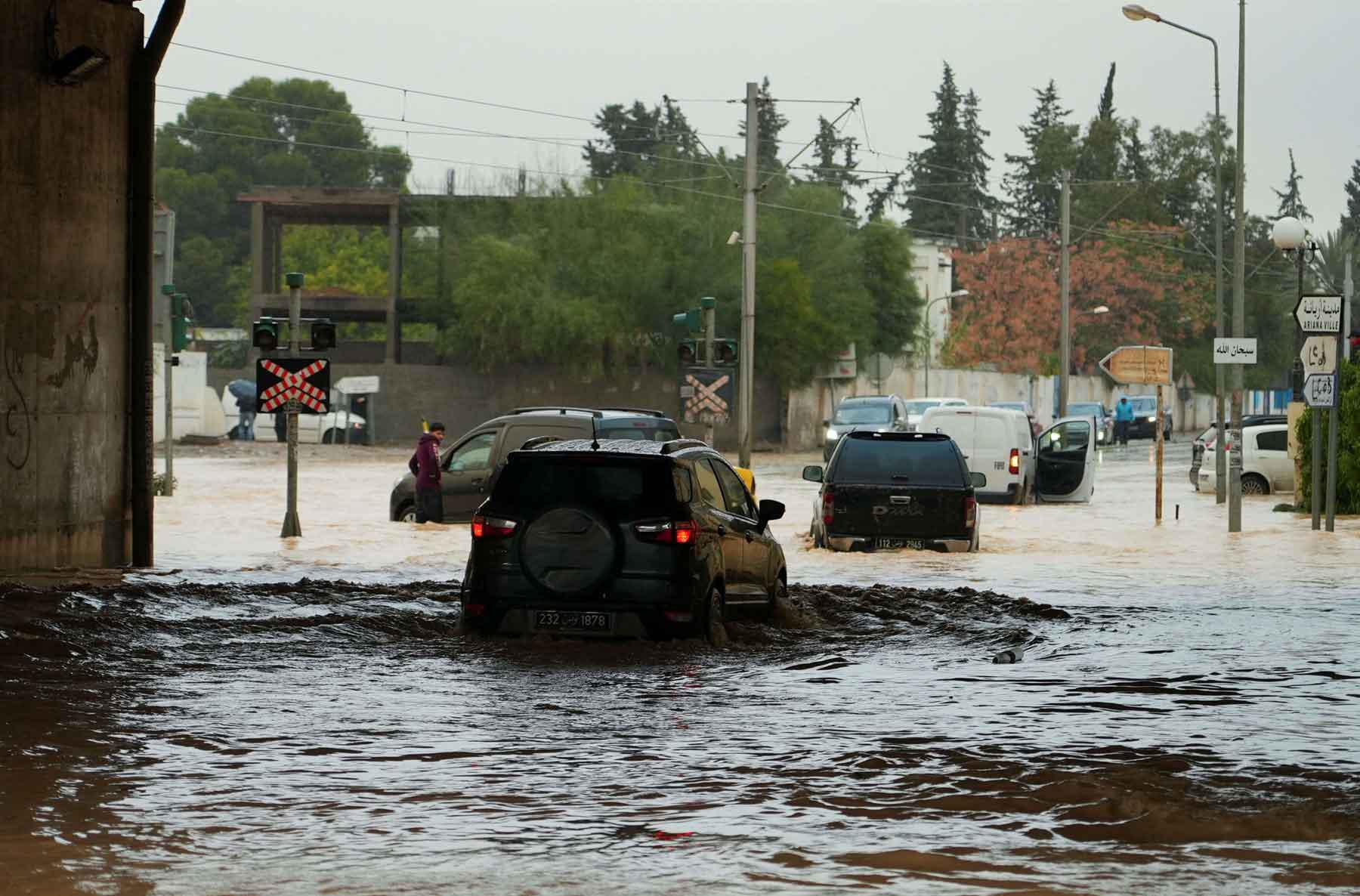
The extreme weather has caused widespread disruption. Social media is flooded with videos of streets submerged in water and vehicles stranded as torrents swept through urban areas. Schools have been closed in several regions, and transportation networks have been interrupted.
The tourist town of Sidi Bou Said, on the outskirts of Tunis, received 206 millimetres of rain between Monday evening and Tuesday, according to the INM.
While Tunisia frequently experiences flooding after heavy rain, experts note that much of the problem stems from ageing and poorly maintained drainage systems. Rapid urban expansion, combined with waste clogging stormwater networks, has exacerbated runoff, preventing rainwater from being absorbed into the ground.
These latest storms strike as Tunisia faces a seven-year drought, worsened by climate change. The country has seen a sharp decline in water reserves in dams, and water shortages have heavily impacted agriculture and drinking water supplies, with restrictions imposed in some areas during the summer months.
Mahrez Ghannouchi, another INM official, described the situation as “critical” in several regions, underscoring the severity of the flooding and the ongoing challenges for both emergency services and residents.