
The Dutch-Moroccan partnership in the war on terror is built on a foundation of mutual interest
Dutch arrest of minor in Sittard highlights deepening counter-terror alliance with Morocco
This latest anti-terror operation underscores the fight against terrorism is increasingly dependent on intelligence partnerships that stretch to Morocco.
Thursday 06/11/2025
The Dutch-Moroccan partnership in the war on terror is built on a foundation of mutual interest
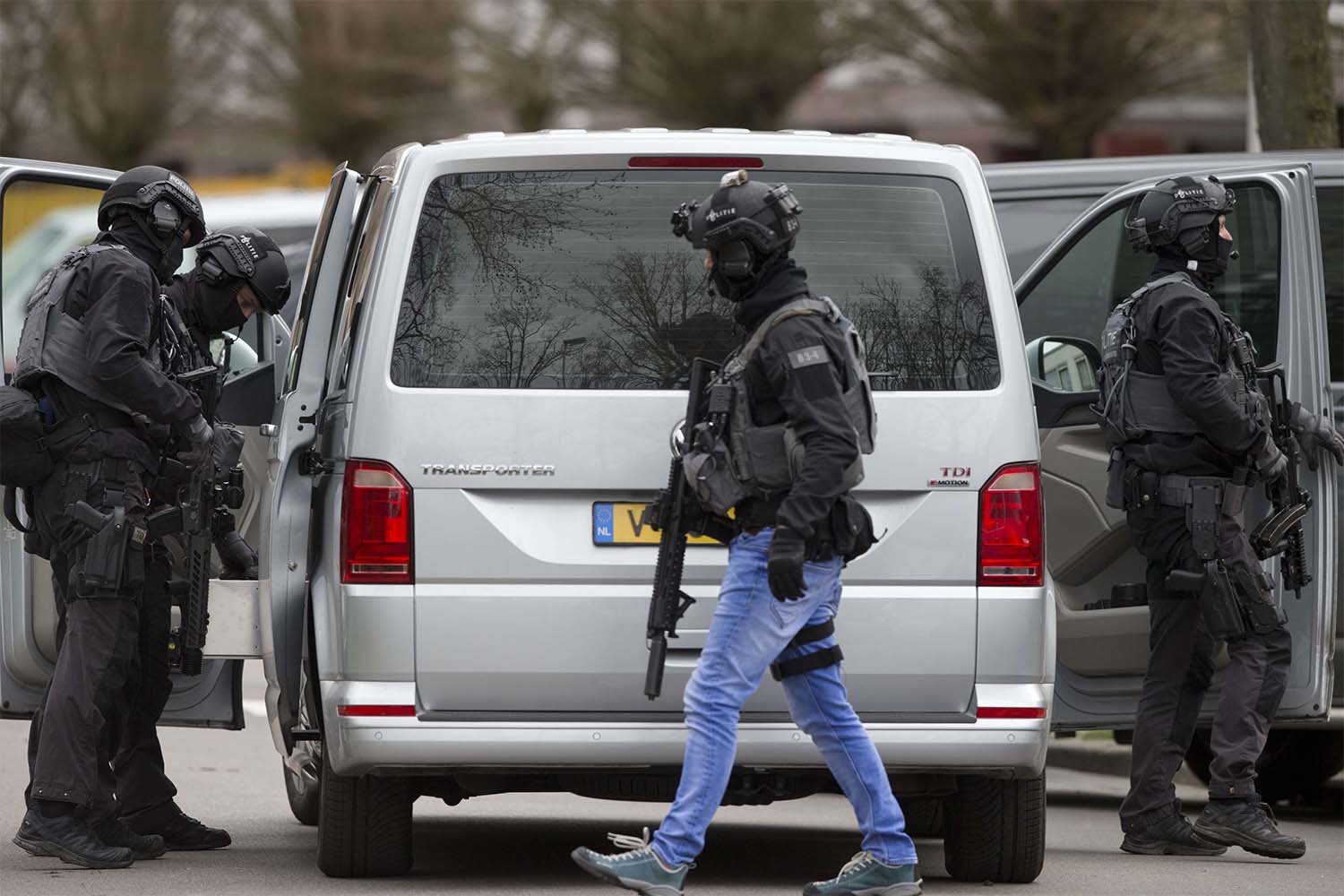
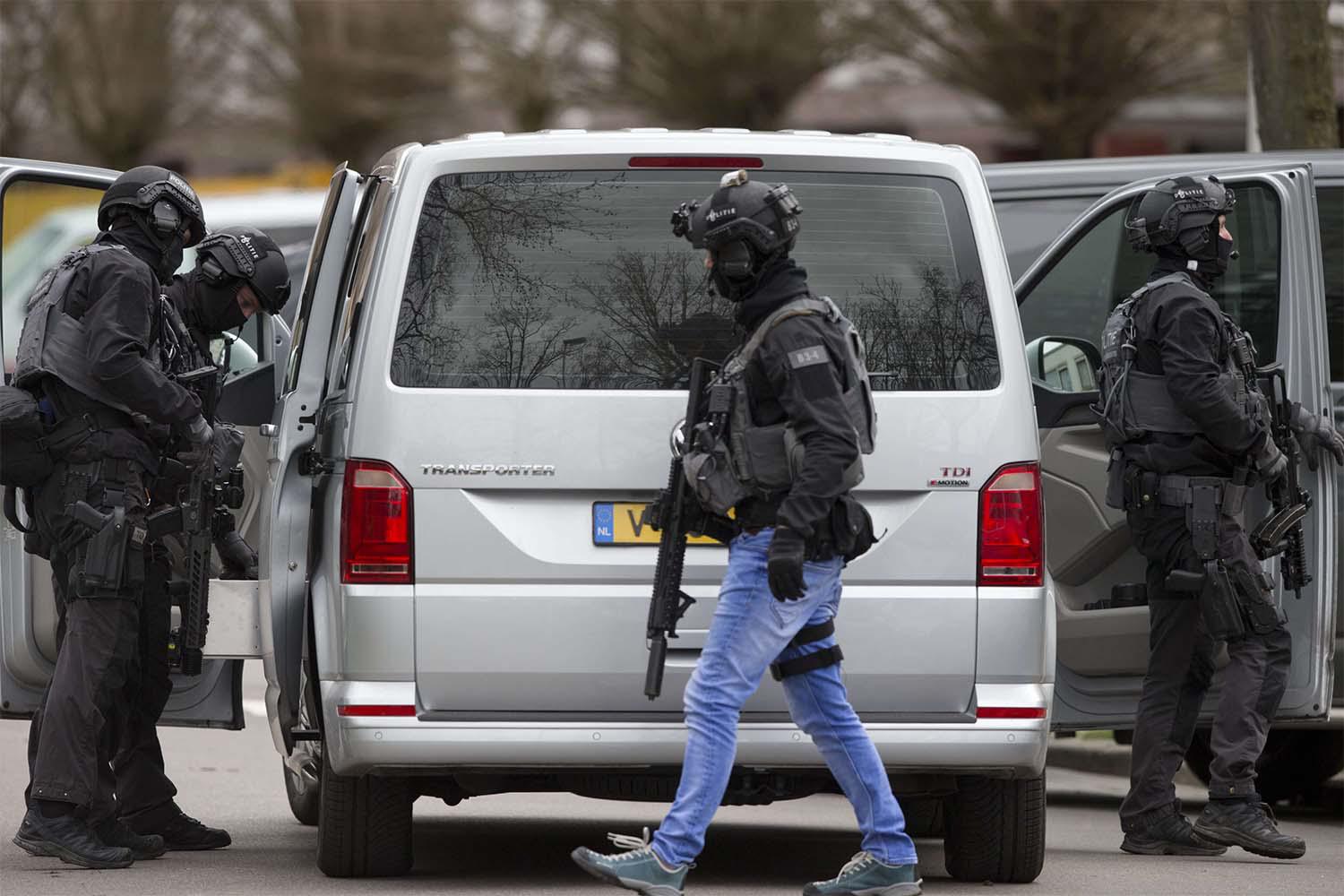
RABAT - Dutch police arrested on Monday a minor in the city of Sittard, Netherlands, in connection with a counterterrorism investigation, following intelligence shared by Morocco's security services, highlighting the ongoing collaboration between Dutch and Moroccan security agencies.
According to statements by the Dutch police, the suspect was identified thanks to active and ongoing security cooperation between the two countries' intelligence services as part of international efforts in the "war on terror."
This latest anti-terror operation underscores the strong security collaboration between Morocco and various European nations, including the Netherlands, Belgium, Germany, and Spain, through intelligence sharing to thwart terrorist threats.
It also belies a significant and complex reality of modern European security: the fight against terrorism is increasingly dependent on intelligence partnerships that stretch to Morocco. The detention was directly facilitated by intelligence provided by Morocco’s security services, shedding light on a crucial alliance in Europe's war on terror.
According to Dutch authorities, the individual arrested in Sittard is a minor suspected of activities related to extremist terrorism. The operation was swift and discreet, aimed at neutralizing a potential threat at its earliest stages. While Dutch police executed the arrest on their home soil, the critical lead came from Rabat.
Moroccan intelligence services, renowned for their extensive monitoring of transnational extremist networks, identified digital footprints and communications linking the suspect to a broader, concerning pattern. This information was swiftly channeled through official cooperation frameworks to The Hague, enabling Dutch investigators to pinpoint, monitor, and ultimately apprehend the individual.
This case is not an isolated incident. It represents a growing pattern where Moroccan intelligence provides the "first alert" that allows European services to preempt potential attacks, targeting radicalized individuals often before they can mobilize into action.
The Strategic Value of the Moroccan Partnership
For European nations like the Netherlands, France, Spain, and Belgium, Morocco’s cooperation is not merely beneficial - it is indispensable. This importance stems from several key factors.
Firstly, Morocco maintains deep, granular insight into its diaspora communities across Europe. This includes linguistic and cultural understanding that European agencies often lack, allowing them to monitor online forums, encrypted chats, and social media in Arabic and Moroccan Darija with a nuanced comprehension that can distinguish between idle talk and genuine threats.
Secondly, The North African kingdom has been highly effective in dismantling terror cells within its own borders, often cells that are directly linked to recruitment pipelines feeding European cities. By sharing the intelligence gleaned from these domestic operations, Rabat provides European partners with a map of the network's structure, identifying recruiters, financiers, and potential operatives abroad.
Thirdly, Morocco, which is situated in a volatile region, itself is a target for groups like The Islamic State and Al-Qaeda affiliates. This shared threat creates a natural alignment of interests.
As one European security official stated anonymously: "They are on the frontline. They see the genesis of threats that often have a direct link to our cities. Their intelligence is often the canary in the coal mine."
The partnership in the war on terror and extremism is built on a foundation of mutual interest. for Europe, it is about protecting its citizens from attacks; for Morocco, it is about securing regional stability, bolstering its international standing, and protecting its own national security.
The collaboration between the Dutch and Moroccan security services is a pragmatic acknowledgment that extremist threats are transnational by nature, and so too must be the response. As these threats continue to evolve, the flow of timely, actionable intelligence from partners like Morocco will remain a critical component of keeping European streets safe.