

A significant shift in political rhetoric
Hezbollah threatens civil war as Lebanon moves to disarm group
The message leaves the Lebanese executive with a stark choice: either accept the persistence of a “state within a state” or confront the consequences of civil unrest.
Wednesday 14/01/2026
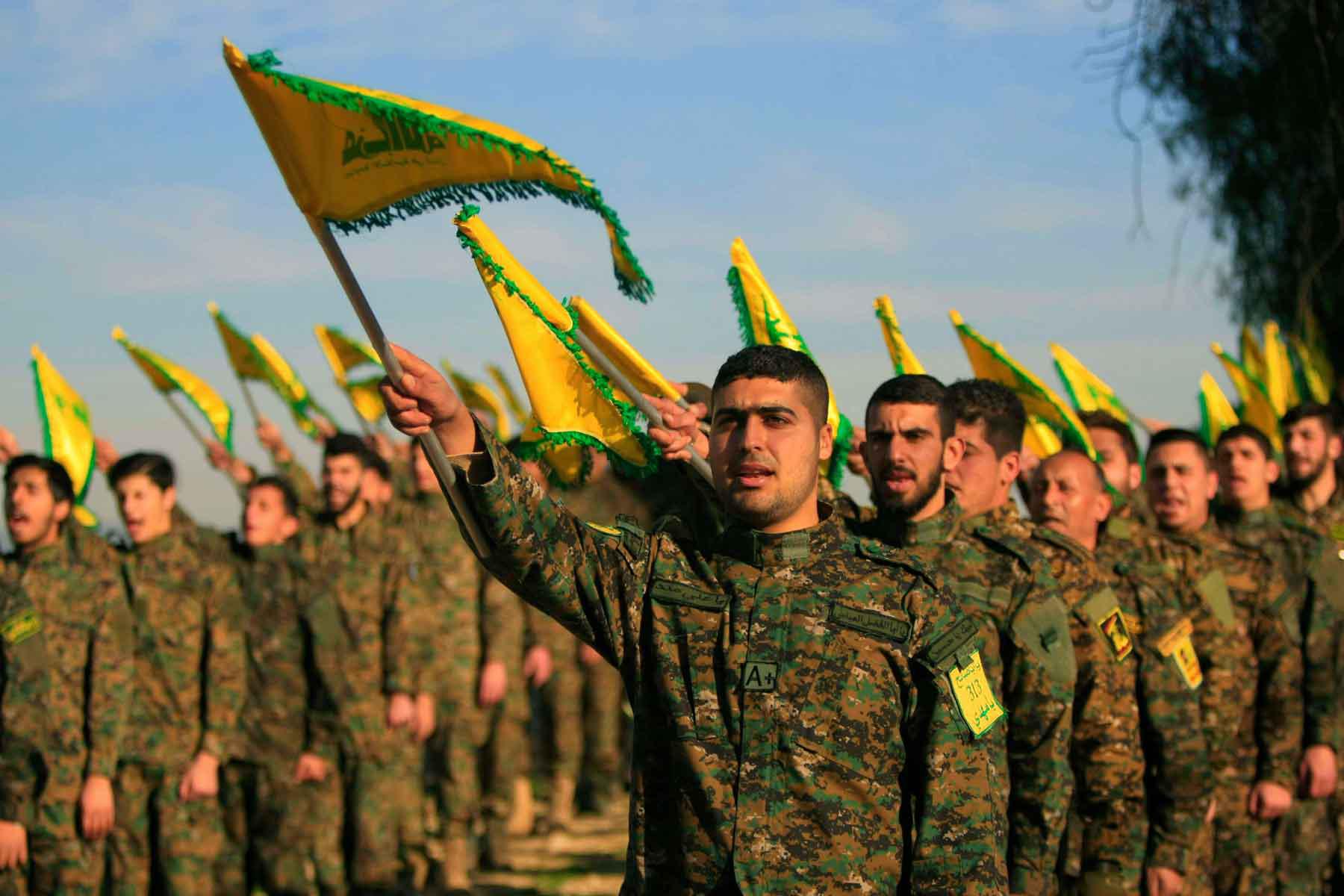
A significant shift in political rhetoric
BEIRUT –
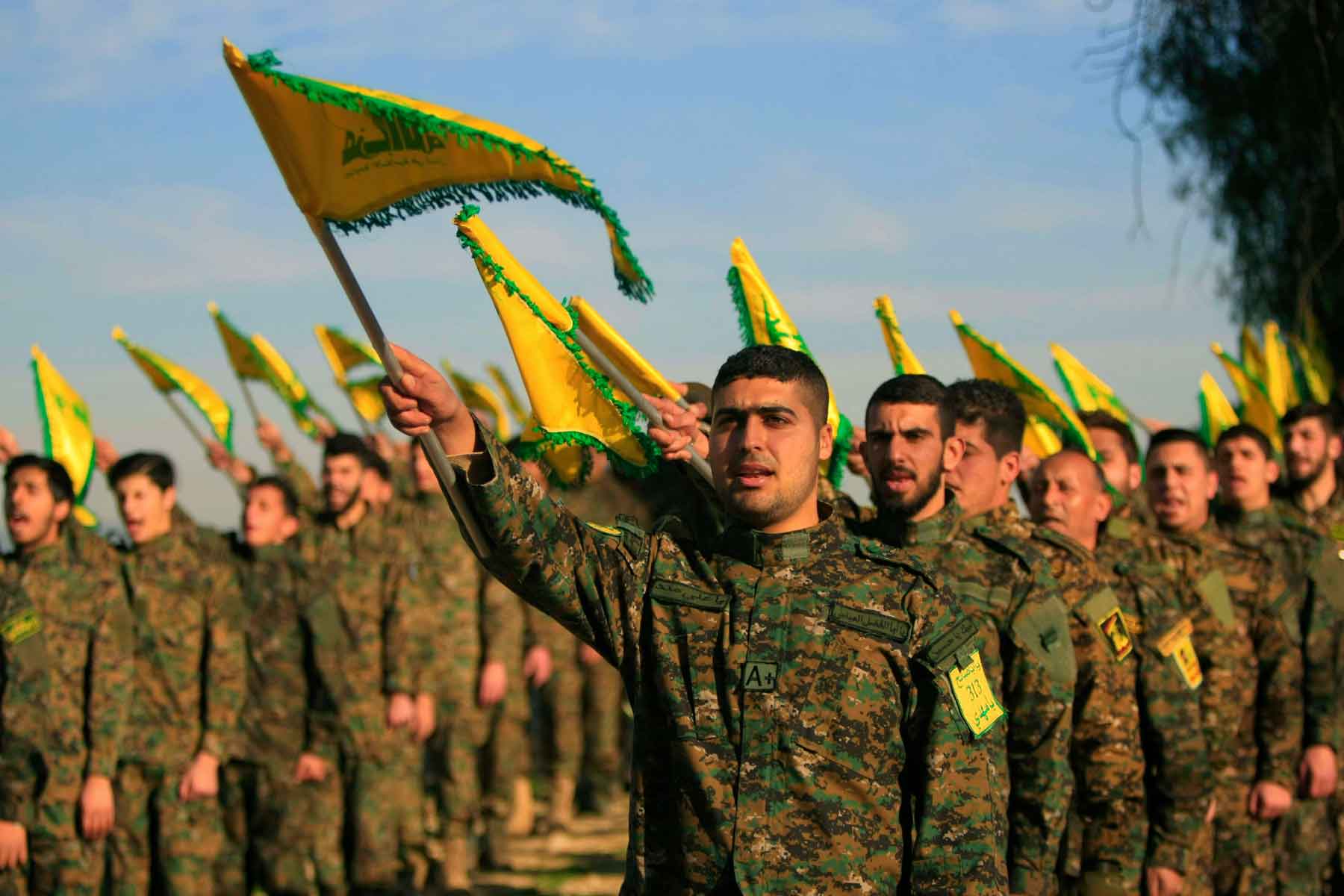
Lebanon is witnessing a surge in political tension following warnings from senior Hezbollah figures to the Lebanese government, in which the party suggested that attempts to disarm it could trigger “civil war,” posing a severe test to the country’s sovereignty and its ability to meet international obligations.
The Lebanese state has committed to bringing all weapons under government control in accordance with a 2024 agreement that ended the destructive military confrontation between Hezbollah and Israel.
While the accord, backed internationally, obliges Beirut to assert full sovereignty and limit arms exclusively to the army across the entire country, the Iran-backed group insists on a “narrow interpretation” of the provisions. Hezbollah maintains that the agreement applies solely to areas south of the Litani River, refusing to relinquish its arsenal elsewhere.
Mahmoud Qomati, the deputy head of Hezbollah's political council, underscored this stance in an interview with Russia’s RT channel, warning that any government attempt to monopolise weapons in northern Litani would constitute “the gravest crime committed,” potentially plunging the country into “instability, chaos and perhaps civil war.” He added, however, that the group would not initiate direct confrontation with the Lebanese army.
Observers note that these remarks represent a significant shift in political rhetoric, interpreted as a deterrent aimed at both the army and political authorities: any serious attempt to disarm Hezbollah could provoke widespread violent conflict.
The message leaves the Lebanese executive with a stark choice: either accept the persistence of a “state within a state” or confront the consequences of civil unrest, a scenario reminiscent of May 7, 2008, when Hezbollah deployed weapons domestically to enforce its political will.
Meanwhile, the Lebanese army has established operational control south of the Litani River, and political circles await its February report outlining plans to extend disarmament to other regions.
Hezbollah, however, has set preconditions for any dialogue on the matter, including Israel’s withdrawal from the five border positions it still occupies, an end to near-daily airstrikes, and the release of Lebanese detainees held by Israel.
Israel continues to exert pressure, deeming current Lebanese efforts “insufficient,” heightening anxiety among Beirut’s leadership about the risk of renewed escalation.
Analysts suggest Hezbollah is leveraging the “civil war threat” to block the core objectives of the 2024 agreement, keeping tensions high and leaving the state’s sovereignty compromised, effectively hostage to a party pursuing cross-border regional agendas.