

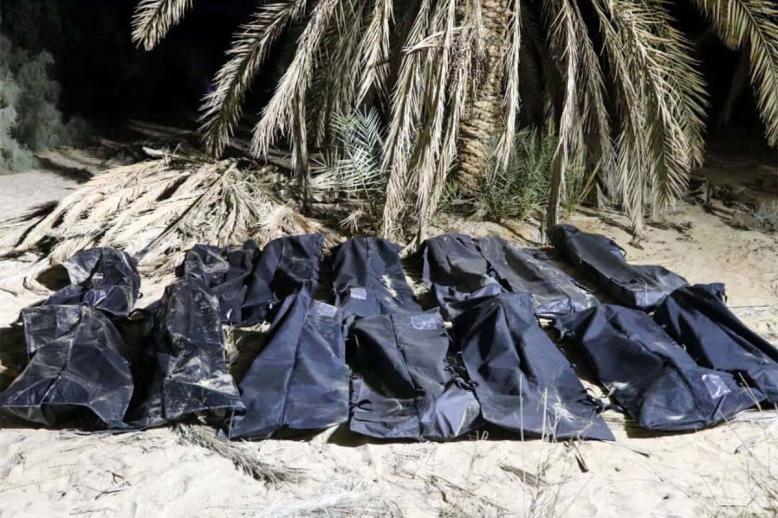

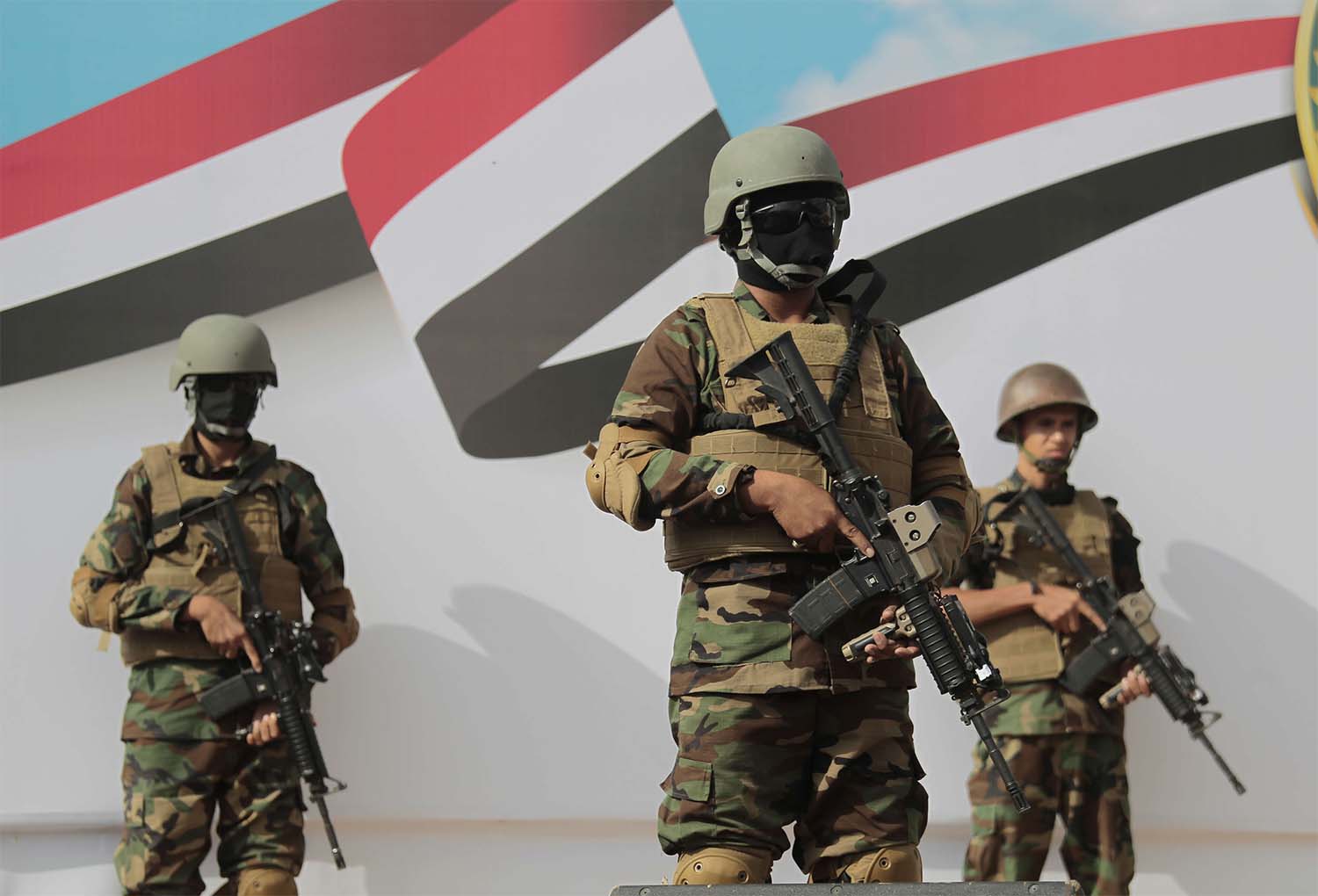
Houthi militia conducted large-scale military exercises last week in the northern Red Sea
Houthi maneuvers, specter of conflict with Iran threaten global trade lifeline in Red Sea
Yemeni observers believe the Houthis are preparing to act as Iran’s spearhead if Tehran comes under US strikes in response to the violent suppression of internal protests.
Thursday 15/01/2026
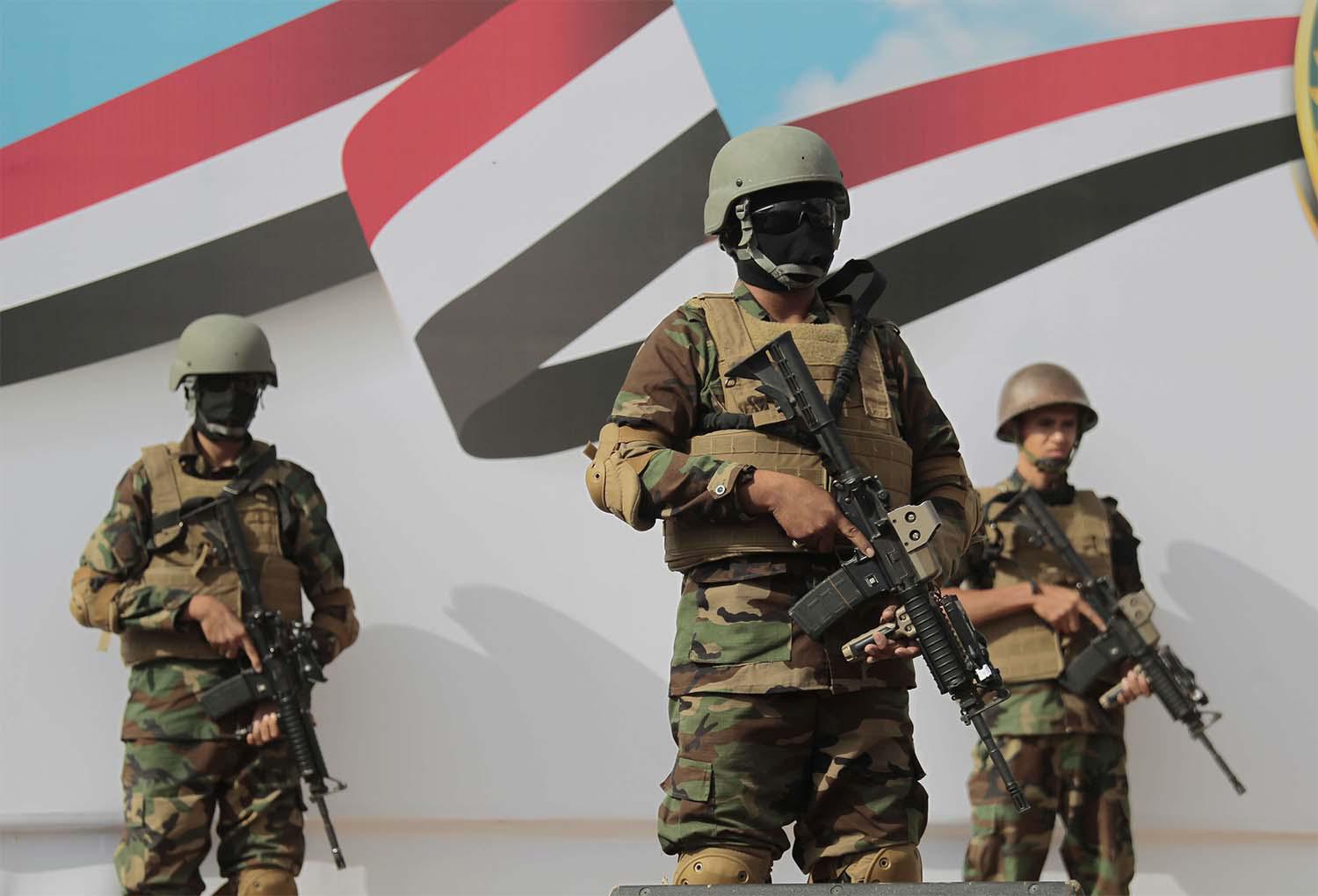
Houthi militia conducted large-scale military exercises last week in the northern Red Sea
TAIZ - Despite the recent safe passage of a container ship belonging to Danish shipping giant Maersk through the Bab al-Mandab Strait, the scene represents nothing more than a deceptive calm in one of the world’s most volatile maritime corridors.
Beyond the horizon, signs of an imminent regional confrontation are mounting—one that threatens to paralyze global trade, around nine percent of which flows through this vital shipping lane.
In a notable field development, Yemeni journalist Mujahid Al-Qob revealed that the US-designated terrorist Houthi militia conducted large-scale military exercises last week in the northern Red Sea.
In a post on social platform X, Al-Qob said the drills amounted to a precise operational simulation of boarding commercial vessels, kidnapping ship captains, and engaging directly with foreign naval units should military clashes erupt alongside Iran.
He described the maneuvers as a Houthi rehearsal for an upcoming naval confrontation, confirming the participation of an advanced arsenal of Iranian weapons, including suicide drones and explosive-laden boats, the latest additions to the group’s stockpile, alongside the launch of various types of naval missiles.
According to Al-Qab, the danger of these exercises goes beyond tactical dimensions to strategic ones. He noted that officers from Iran’s Islamic Revolutionary Guard Corps (IRGC) directly supervised the drills, which extended geographically from near Eritrea’s Dahlak Archipelago to the northern reaches of Saudi Arabia’s Farasan Islands.
This escalation coincides with the influx of Iranian weapons shipments described as the largest in months, signaling Tehran’s efforts to strengthen its pressure cards in the region should conflict with the West erupt.
Yemeni observers believe the Houthis are preparing to act as Iran’s spearhead if Tehran comes under US strikes in response to the violent suppression of internal protests.
In this context, journalist Abdullah Al-Maamari says the Houthis will seek to prove their absolute loyalty to Tehran by turning the Red Sea into a war of attrition arena, exploiting any escalation against Iran to carry out retaliatory attacks on commercial shipping.
In remarks to Middle East Online Al-Maamari argued that the Houthi threat extends beyond direct military operations to what he described as international blackmail. The group is likely, he said, to impose illegal transit fees in exchange for safe passage—an approach it has previously employed during regional crises.
Al-Maamari warned that what he called the international community’s policy of “tying the hands” of the Yemeni government prevents a decisive solution to the threat.
This view aligns with warnings issued two days earlier by Tariq Saleh, a member of Yemen’s Presidential Leadership Council, who stated explicitly that as long as Yemen’s coastline remains under militia control, the threat will persist indefinitely.
In comments carried by the official state news agency, Tariq Saleh stressed during a meeting with Western ambassadors that the only way to secure global trade is to restore control over all Yemeni territory.
Airstrikes Alone Are Not Enough
Despite the intensive US airstrikes carried out under Operation Rough Rider last March, realities on the ground indicate that the Houthis’ military capabilities have not been fully dismantled, while Iranian arms smuggling has compensated for shortages in the militia’s stockpiles.
Analysts, including agree that limited airstrikes alone will not halt the attacks. While the world watches signs of temporary stability, the militia exploits calm periods to reposition and further develop low-cost unmanned boat technologies.
Hassan argues that these activities, coupled with a continuous supply chain of Iranian weapons to the Houthis, place global energy security atop a ticking time bomb—one that could detonate at any moment and redraw the map of risk at the heart of the global economy.