

Iran appears increasingly anxious to preserve its long-standing foothold in Iraq.
Iran casts long shadow over Iraq’s fragile post-election transition
Tehran continues to view Iraq as a cornerstone of its regional influence, particularly as it faces mounting challenges across several Middle Eastern fronts.
Wednesday 07/01/2026
Iran appears increasingly anxious to preserve its long-standing foothold in Iraq.
BAGHDAD –
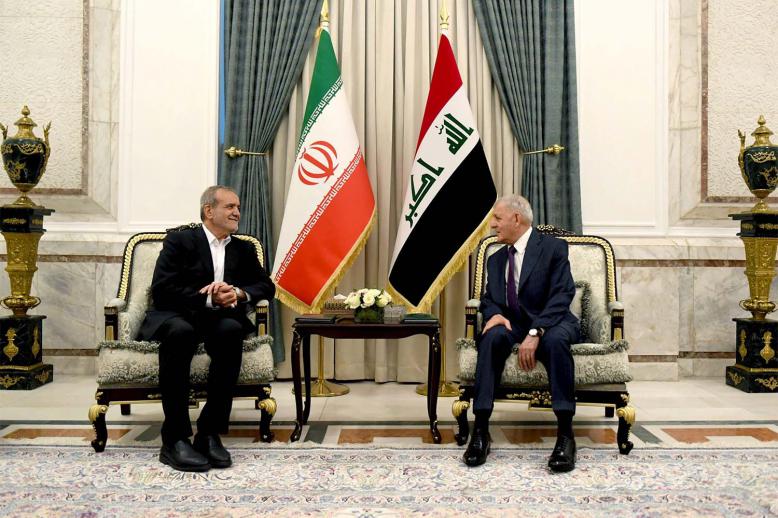
The question of Iranian influence in Iraq has resurfaced at the centre of political debate, as Tehran steps up diplomatic engagement amid the complexities of the post-parliamentary election phase, fuelling growing concerns over attempts to shape the formation of Iraq’s next government.
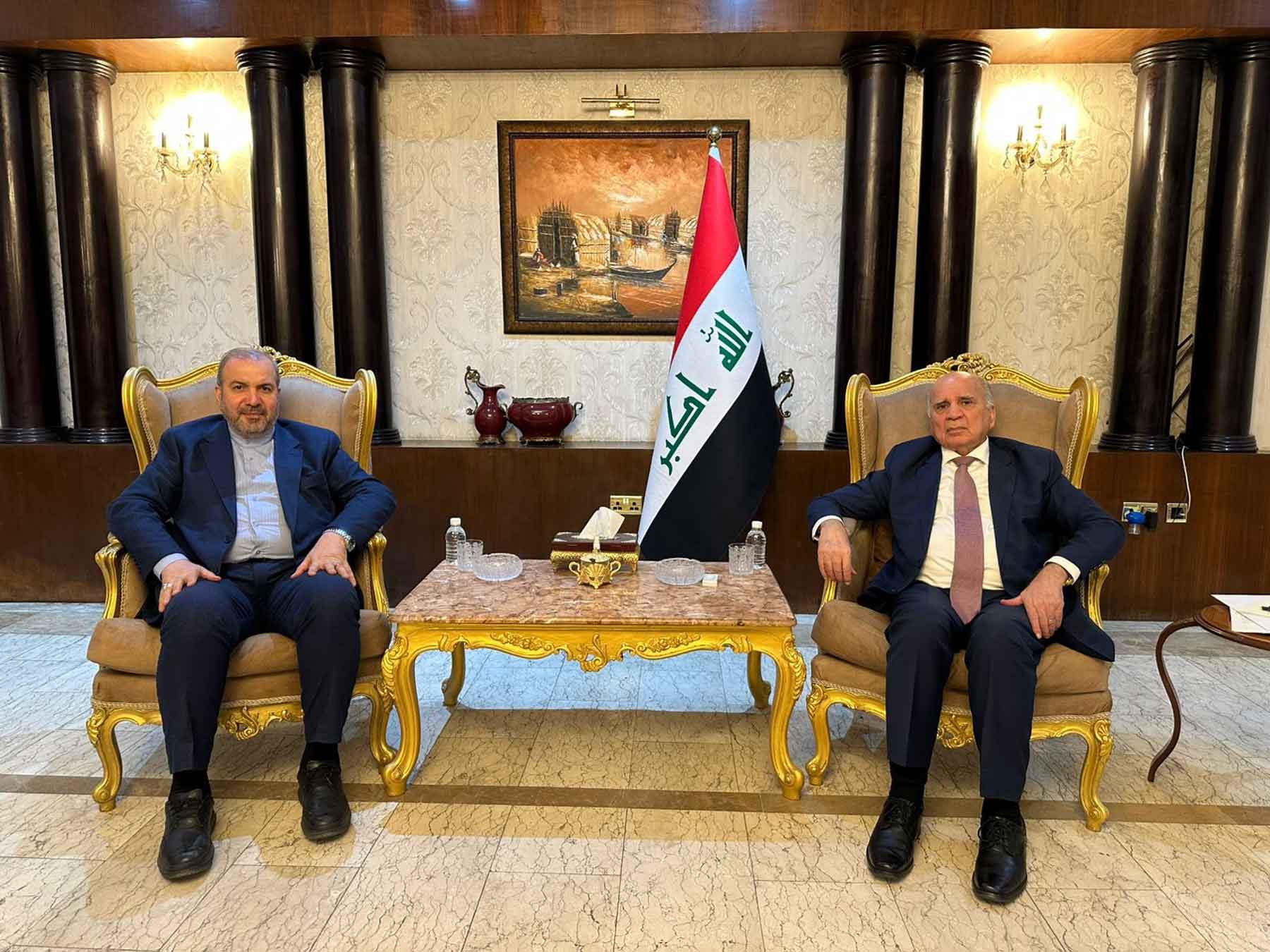
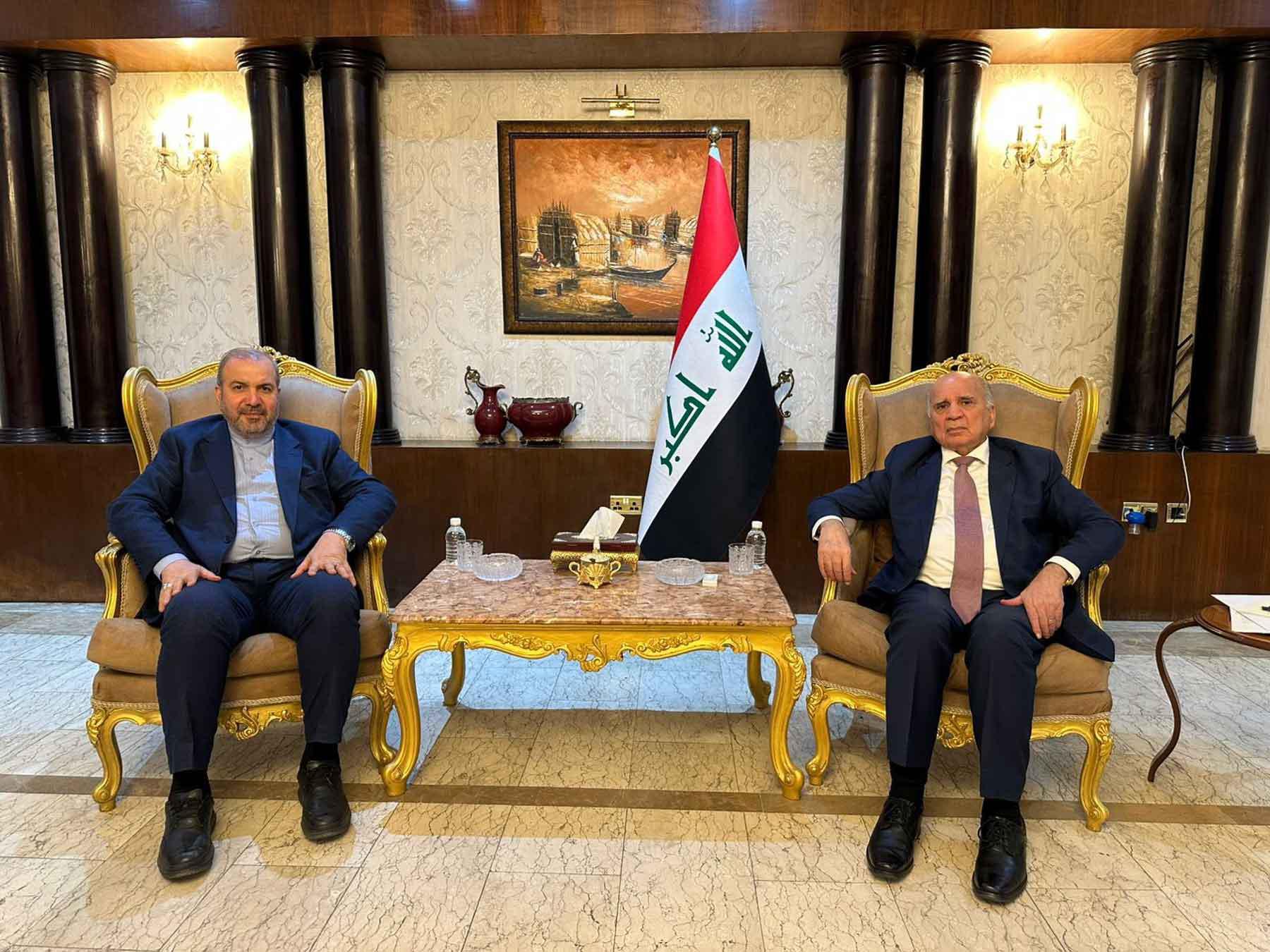
In this context, Iraq’s Deputy Prime Minister and caretaker Foreign Minister Fuad Hussein received an official message from his Iranian counterpart Abbas Araghchi, delivered by Iran’s Ambassador to Baghdad Mohammad Kazem Al-Sadeq. According to a statement from Iraq’s foreign ministry, the message outlined Tehran’s assessment of regional political and security developments, as well as its views on Iraq’s sensitive political transition following the elections.
While presented in formal diplomatic terms, the timing and substance of the message, directly linked to government formation, have reignited scrutiny of Iran’s role in Iraqi politics. That role remains deeply contentious domestically, amid persistent allegations of indirect interference aimed at steering parliamentary alliances and tipping the balance in favour of specific factions.
Political sources indicate that Tehran continues to view Iraq as a cornerstone of its regional influence, particularly as it faces mounting challenges across several Middle Eastern fronts. With its leverage weakened elsewhere in recent years, Iran appears increasingly anxious to preserve its long-standing foothold in Iraq, prompting intensified efforts to safeguard its influence within the country’s political system.
Iran-aligned parties and factions, most notably key components of the Coordination Framework, are seeking to consolidate their positions in parliament in a bid to secure a decisive role in shaping the next government. Observers warn that this manoeuvring has unsettled rival political forces, who fear that the government-formation process could turn into a battleground for regional power struggles, undermining national balances and constitutional procedures.
Politicians caution that continued external involvement risks deepening existing fractures within Iraq’s political landscape, particularly between Shia forces on the one hand and Sunni and Kurdish components on the other. These groups increasingly fear being subjected to political arrangements brokered beyond Iraq’s borders, especially when it comes to the allocation of sovereign posts and sensitive ministerial portfolios.
Concerns have also been voiced by the United States and several domestic actors over the expanding influence of Iran-linked armed factions within Iraq’s political and security structures. They argue that such influence obstructs the emergence of an independent government capable of pursuing reform, asserting state authority and delivering long-term stability.
Statements by Iranian officials and figures close to Tehran regarding the future of the Popular Mobilisation Forces have likewise been interpreted in Iraq as political pressure signals, particularly amid growing international calls to recalibrate the relationship between the state and armed groups.
At times, Iran has sought to act as a mediator among rival Shia factions, encouraging reconciliation or exerting discreet pressure to prevent splits that could weaken its position. However, such interventions are increasingly criticised by political actors who view them as a direct infringement on Iraqi sovereignty.
At the popular level, these manoeuvres find little support. Opinion surveys and past protest movements have reflected strong public opposition to foreign interference in Iraqi affairs, including Iranian involvement. Many Iraqis blame the prolonged dysfunction of state institutions and persistent instability on the prioritisation of regional agendas over national interests.
As political negotiations continue in Baghdad, the central question remains whether Iraqi forces can forge an independent domestic settlement, or whether external influence, with Iran at the forefront, will continue to shape the contours of the country’s next political chapter.