

Araghchi: The world has had enough of Confused Clowns, Mr Zelensky
Iran launches furious diplomatic assault on Zelenskyy
Iranian FM accuses Ukraine’s President of "rinsing American and European taxpayers to fill the pockets of his corrupt generals" while simultaneously pushing for "illegal US aggression" against Iran.
Friday 23/01/2026
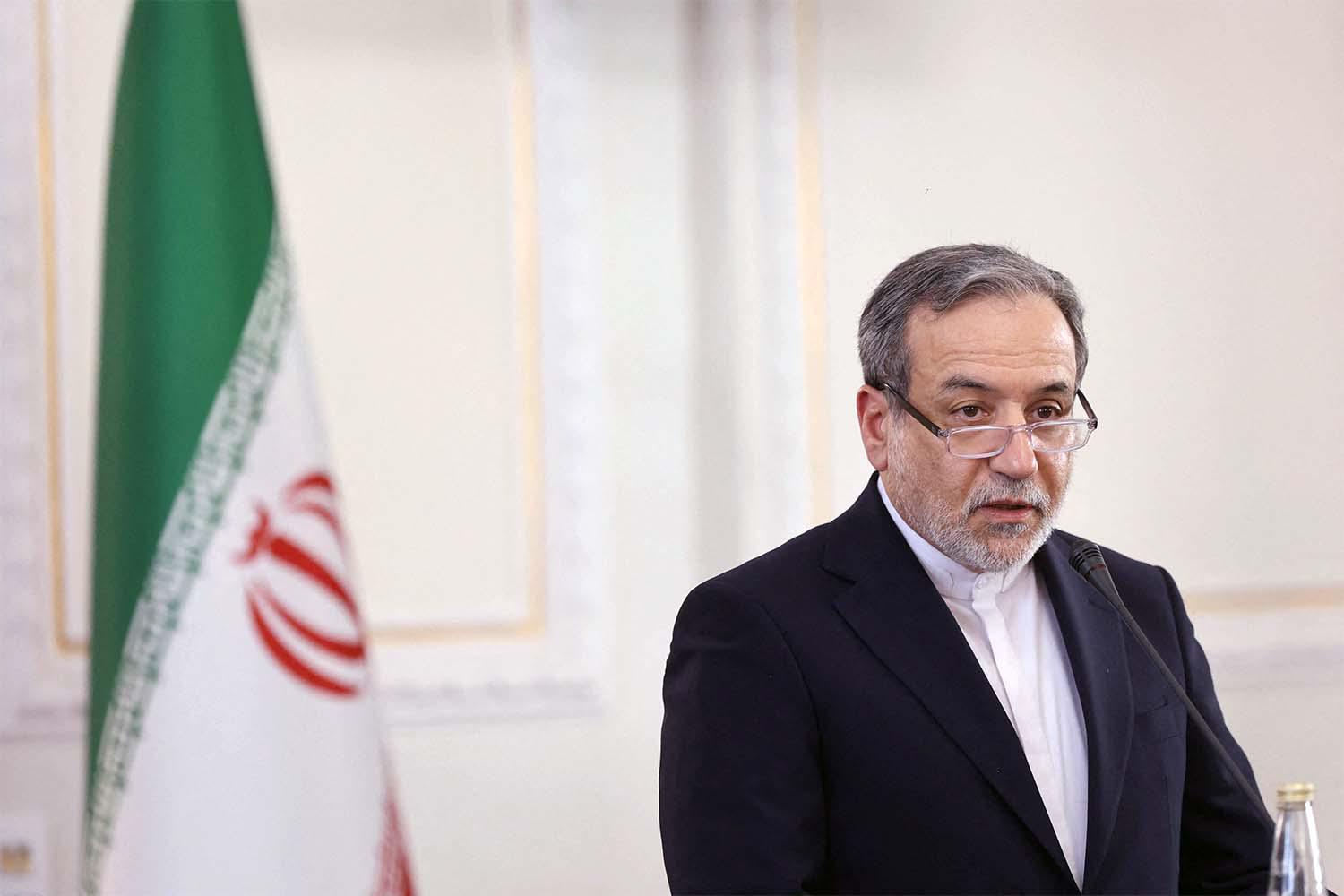
Araghchi: The world has had enough of Confused Clowns, Mr Zelensky
TEHRAN - Iran launched Friday a sharp and furious diplomatic assault on Ukrainian President Volodymyr Zelenskyy, after his pointed criticism of Tehran's handling of recent nationwide protests during a speech at the World Economic Forum in Davos, Switzerland.
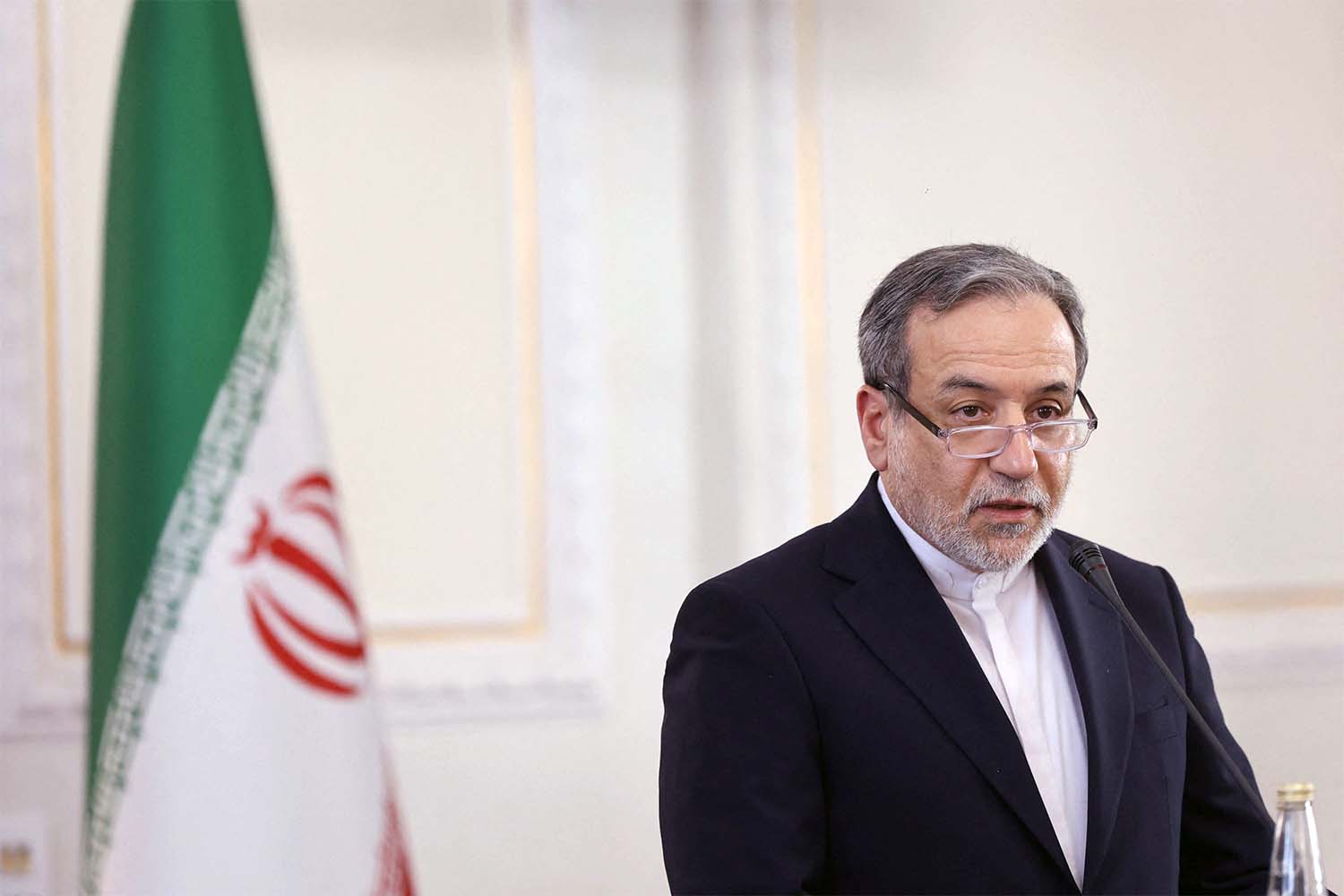
Iranian Foreign Minister Abbas Araghchi took to social platform X to deliver a blistering response, branding Zelenskyy a "confused clown" and accusing him of hypocrisy, corruption, and advocating for unlawful aggression against Iran.
"The world has had enough of Confused Clowns, Mr Zelensky," he posted on X.
"Unlike your foreign-backed and mercenary-infested military, we Iranians know how to defend ourselves and have no need to beg foreigners for help," he added.
Araghchi accused Zelenskyy of "rinsing American and European taxpayers to fill the pockets of his corrupt generals" while simultaneously pushing for "illegal US aggression" against Iran, in violation of the UN Charter.
The exchange highlights deepening tensions between the two nations, exacerbated by Iran's support for Russia in the ongoing Ukraine conflict and Zelenskyy's vocal condemnation of authoritarian crackdowns.
Zelenskyy's Davos remarks spark outrage
In his address to the WEF on Thursday, Zelenskyy drew parallels between global inaction on various crises and the brutal suppression of protests in Iran.
"There was so much talk about the protests in Iran, but they drowned in blood. The world has not helped enough the Iranian people and it's true... By the time politicians began forming positions, the Ayatollah had already killed thousands," he said.
He warned that if the Iranian regime survives the bloodshed, "it sends a clear signal to every bully: kill enough people and you stay in power." Zelenskyy contrasted this with what he portrayed as insufficient European resolve against threats like Russia's invasion of Ukraine, while noting bolder US actions in other contexts.
The comments came amid reports of a severe crackdown on anti-regime demonstrations in Iran, including mass arrests, internet blackouts, and allegations of thousands killed by security forces. Zelenskyy's remarks framed the situation as emblematic of broader impunity for authoritarian leaders.
The tirade echoed broader Iranian state narratives portraying Zelenskyy as a Western puppet reliant on foreign aid, contrasting it with Iran's claimed self-reliance and sovereignty.
Broader geopolitical context
The verbal clash unfolds against a backdrop of strained relations: Iran has supplied Russia with drones and missiles used in Ukraine, drawing Western sanctions and criticism. Zelenskyy has repeatedly highlighted this support as prolonging the war and emboldening aggressors.
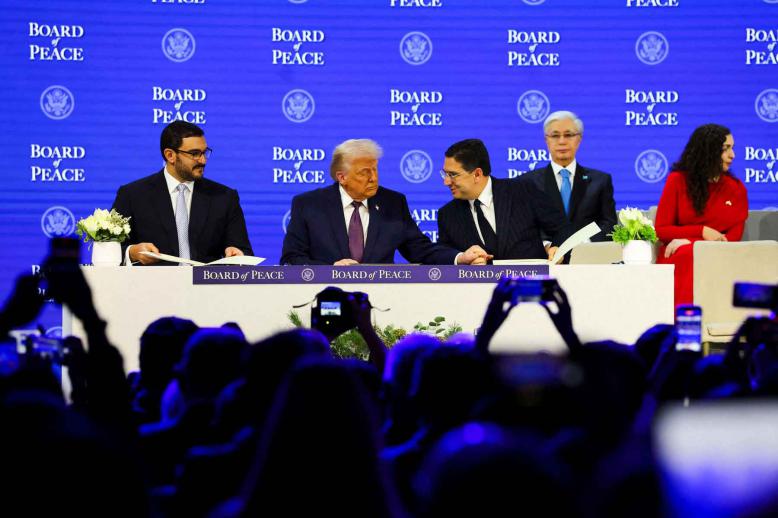
The spat coincides with other high-profile Davos developments, including US President Donald Trump's unveiling of a "Board of Peace" and discussions on global conflicts. It also comes as US naval movements toward the region raise speculation about potential escalations involving Iran.
Iranian officials have framed Zelenskyy's words as interference in domestic affairs, while critics of Tehran see them as justified condemnation of human rights abuses. The exchange risks further polarizing international discourse on Iran’s internal unrest and its role in proxy conflicts.