


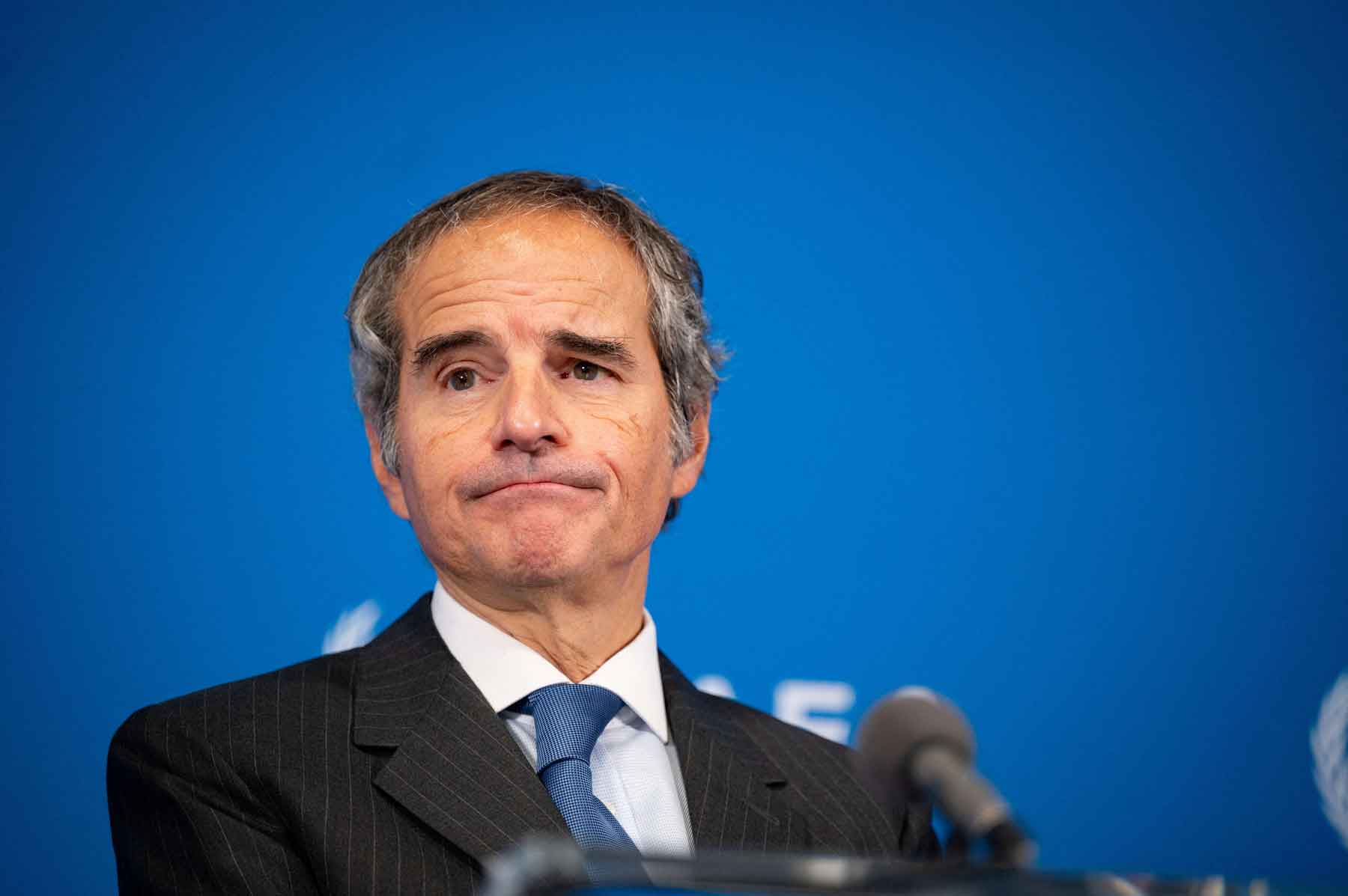
Director-General of the International Atomic Energy Agency (IAEA) Rafael Grossi holds a news conference in Vienna, November 19, 2025.
Iran rejects Grossi’s UN bid over failure to condemn nuclear strikes
Though Grossi was not always named, Iranian officials made it clear the criticism was directed at the Argentinian IAEA chief.
Tuesday 16/12/2025
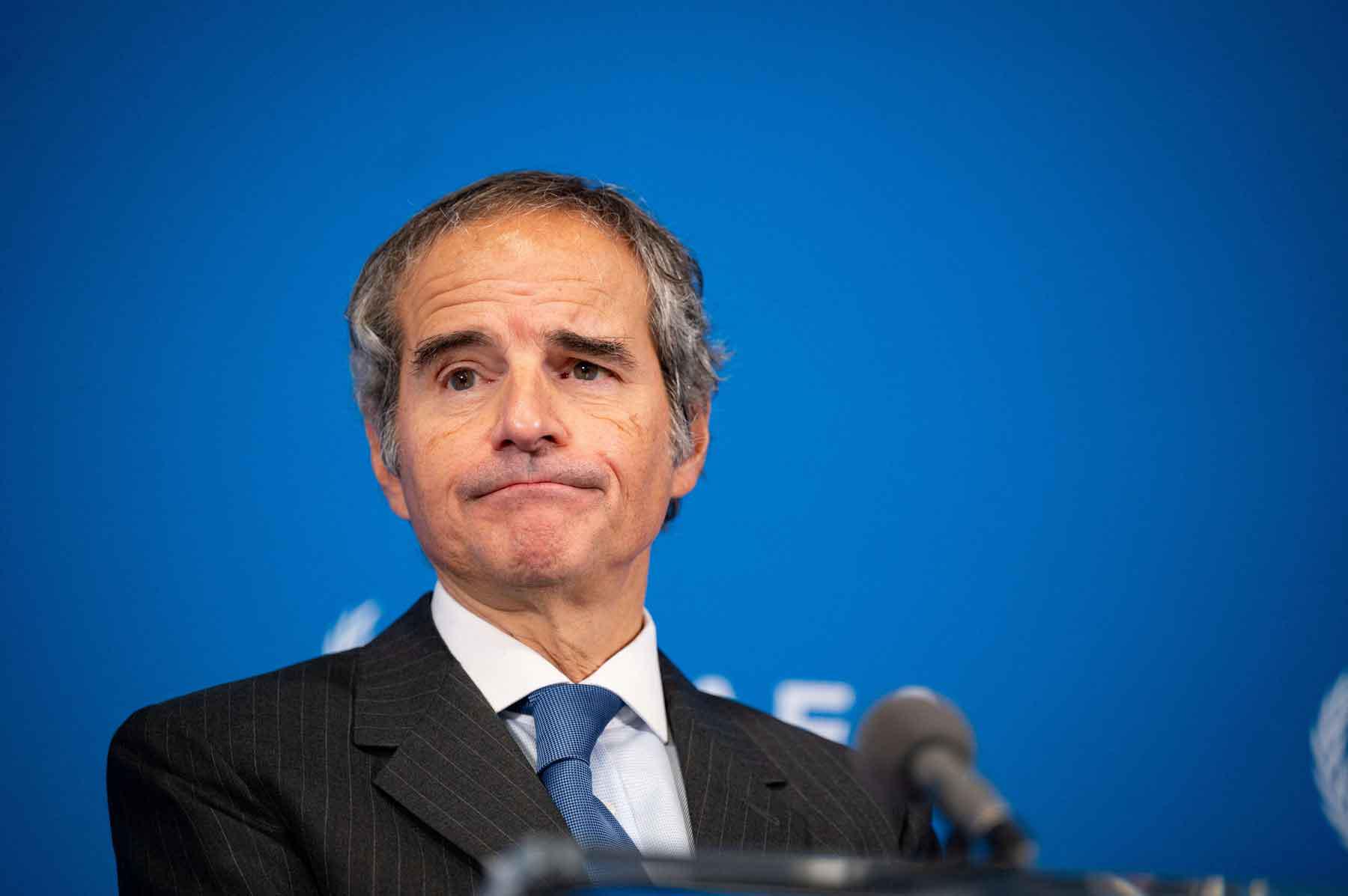
Director-General of the International Atomic Energy Agency (IAEA) Rafael Grossi holds a news conference in Vienna, November 19, 2025.
TEHRAN/NEW YORK -
Iran has publicly opposed the candidacy of International Atomic Energy Agency (IAEA) chief Rafael Grossi for the next UN Secretary-General, citing his refusal to condemn US and Israeli attacks on Iranian nuclear facilities as evidence of bias.
Speaking at the UN Security Council, Iran’s ambassador Saeid Iravani said candidates who fail to speak out against “unlawful military attacks against safeguarded, peaceful nuclear facilities” are unfit for the world body’s top post. Though Grossi was not always named, Iranian officials made it clear the criticism was directed at the Argentinian IAEA chief.
The controversy stems from June airstrikes on Iranian nuclear sites, which Tehran labels illegal acts of aggression. The attacks also claimed the lives of Iranian nuclear scientists. Iran’s parliament subsequently voted to halt cooperation with the IAEA, barring inspectors from the country. Hardline media even called for Grossi’s execution, underscoring the intensity of Tehran’s objections.
Grossi, 64, rejects the accusations, maintaining that Iran must account for more than 400 kilogrammes of 60 percent-enriched uranium still unmonitored after the strikes.
Iran’s statements framed the dispute in terms of UN principles, citing Articles 99, 100 and 105 of the Charter. The envoy stressed that the next secretary-general must act independently, protect the rights of all member states and uphold the organisation’s integrity, a subtle rebuke that Grossi, in Tehran’s view, has failed to meet.
Analysts say the Iranian challenge is both political and symbolic. It signals Tehran’s insistence that any UN leader must be impartial and capable of defending member states against military aggression, even when such attacks involve powerful states.
Grossi is one of three candidates seeking to succeed Antonio Guterres, whose term ends on December 31, 2026. His bid now faces heightened scrutiny as Iran pressures the UN to prioritise independence and adherence to international law in the selection process.
By publicly opposing Grossi, Iran is setting a benchmark for what it considers a credible secretary-general, one able to separate political influence from the protection of member states and to respond to violations of international law without fear of powerful nations.