

Escalating standoff
Iran warns US regional assets ‘under watch of our missiles’
Warning to target US-linked investments comes amid Trump’s announcement that a US “armada” is heading toward Iran, though he insisted he hoped not to deploy it.
Friday 23/01/2026
Escalating standoff
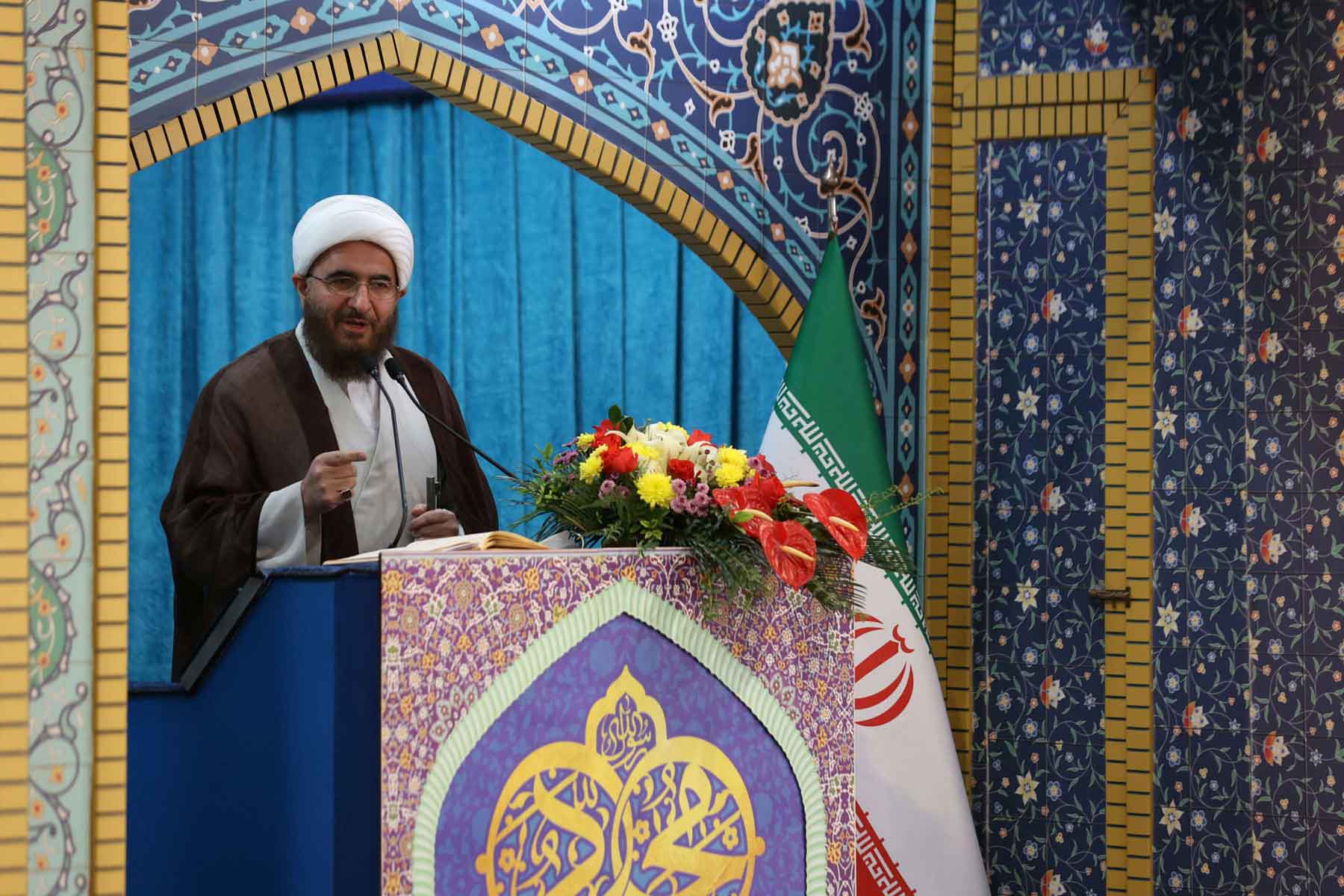
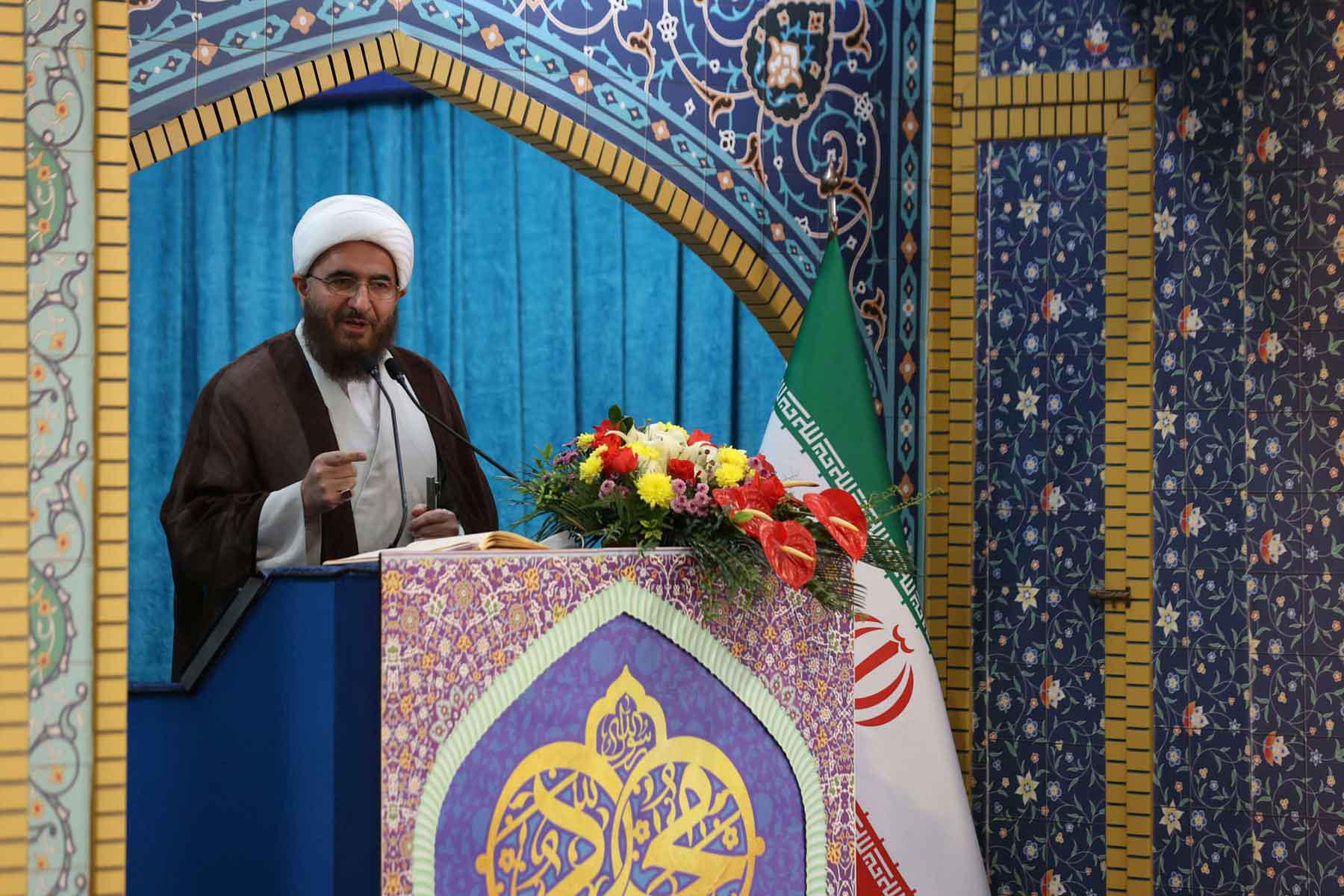
TEHRAN – Tensions between Tehran and Washington are escalating sharply after an influential Iranian cleric warned that Iran could target US-linked investments across the region in retaliation for any American military action against the Islamic Republic.
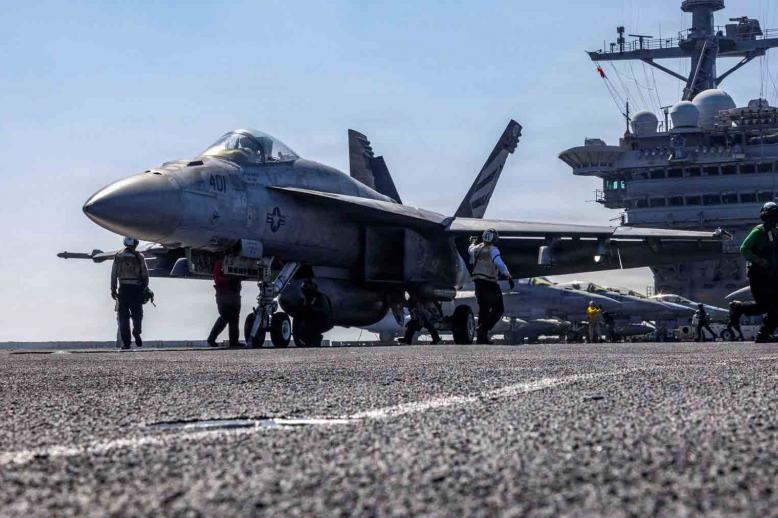
The warning comes amid President Donald Trump’s announcement that a US “armada” is heading toward Iran, though he insisted he hoped not to deploy it.
“The one trillion dollars you have invested in the region is under the watch of our missiles,” said Mohammad Javad Haj Ali Akbari, a prominent cleric leading Friday prayers in Tehran before a large congregation. While he did not specify which investments he was referring to, the remarks signal Tehran’s readiness to use its regional leverage as a countermeasure.
This public threat comes alongside sharp disputes over the reported crackdown on domestic protests.
Iran’s top prosecutor, Mohammad Movahedi, denied claims by President Trump that 800 executions of protestors had been called off.
“This claim is completely false, No such number exists, nor has the judiciary made any such decision,” Movahedi said, according to the judiciary’s news agency Mizan.
Iranian Foreign Minister Abbas Araghchi echoed the government’s stance, telling Fox News last week, “There is no plan for hanging at all,” when asked about the anti-government demonstrations.
Despite these denials, human rights groups report that thousands, including bystanders, were killed during unrest that erupted following nationwide protests, the most serious challenge to Iran’s clerical leadership since 2022.
The UN Human Rights Council is to hold an emergency session to examine the “alarming violence” used against demonstrators, with several states calling on investigators to document alleged abuses for potential future trials.
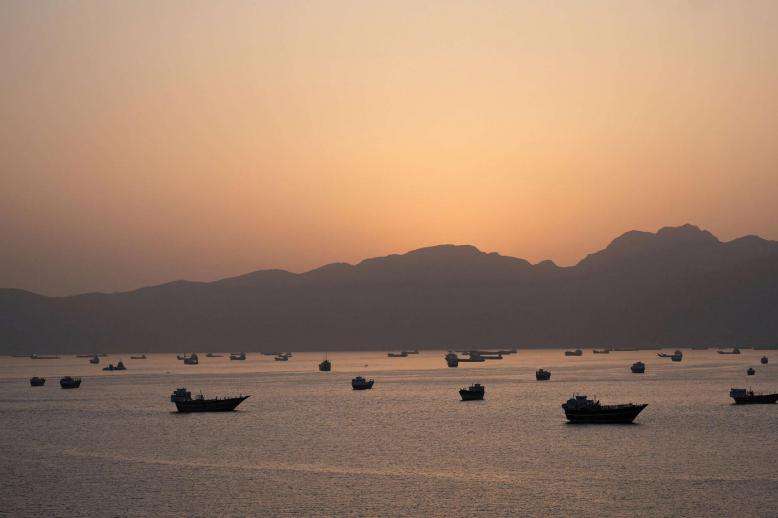
Analysts warn that further escalation could extend beyond Tehran’s borders, with potential strikes on tankers in the Strait of Hormuz or attempts to block the waterway entirely. This narrow strait, just 21 miles (33 km) at its narrowest point, is a critical global chokepoint: about a fifth of the world’s oil supply passes through it daily.
Last year, more than 20 million barrels of crude, condensate, and fuels transited the strait on average, mostly from OPEC members such as Saudi Arabia, Iran, the UAE, Kuwait and Iraq, with Asia as the main destination.
Past confrontations illustrate the stakes. During the 1980–1988 Iran-Iraq War, both sides targeted each other’s shipping in the so-called Tanker War. More recently, Iran has seized vessels near the strait, and in May 2019 four vessels, including two Saudi tankers, were attacked off the UAE coast.
US and allied navies, particularly the US Fifth Fleet based in Bahrain, maintain a persistent presence to protect commercial shipping.
The cleric’s warnings, coupled with Trump’s military posturing, underline the fragility of the current situation. Tehran’s statements signal not only a defensive posture but also a readiness to assert leverage over US investments and energy routes in the region.
Any escalation risks destabilising global oil markets, given the strait’s strategic significance, while underscoring the persistent tension between Iran and Washington over both regional influence and nuclear ambitions.
Observers note that while direct military confrontation may still be avoided, the rhetoric reflects Iran’s broader strategy of deterrence: signalling capability and resolve to the US and its regional partners without crossing the threshold into full-scale conflict, yet leaving room for miscalculation.
In short, Iran’s clerical leadership is combining domestic defiance with regional threat posture, keeping both Washington and the international energy market on high alert. How the US responds, or refrains from action, could define the next phase of this already tense geopolitical standoff.