

Sharp disagreements
Iraq delays presidential vote amid Kurdish divisions, party rifts
Parliament Speaker Haibat al-Halbousi had received written requests from both Kurdish parties calling for a delay in the vote.
Tuesday 27/01/2026
Sharp disagreements
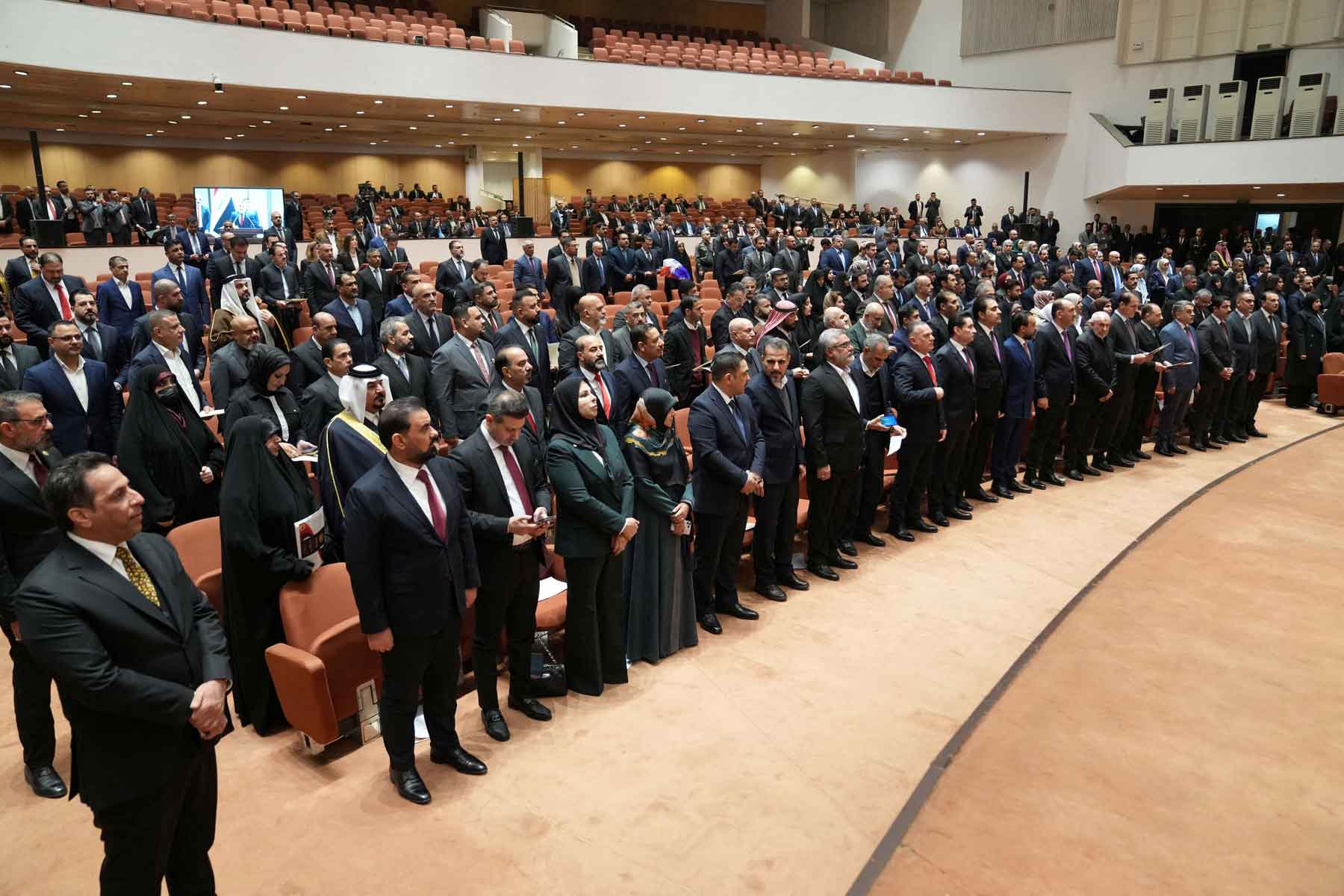
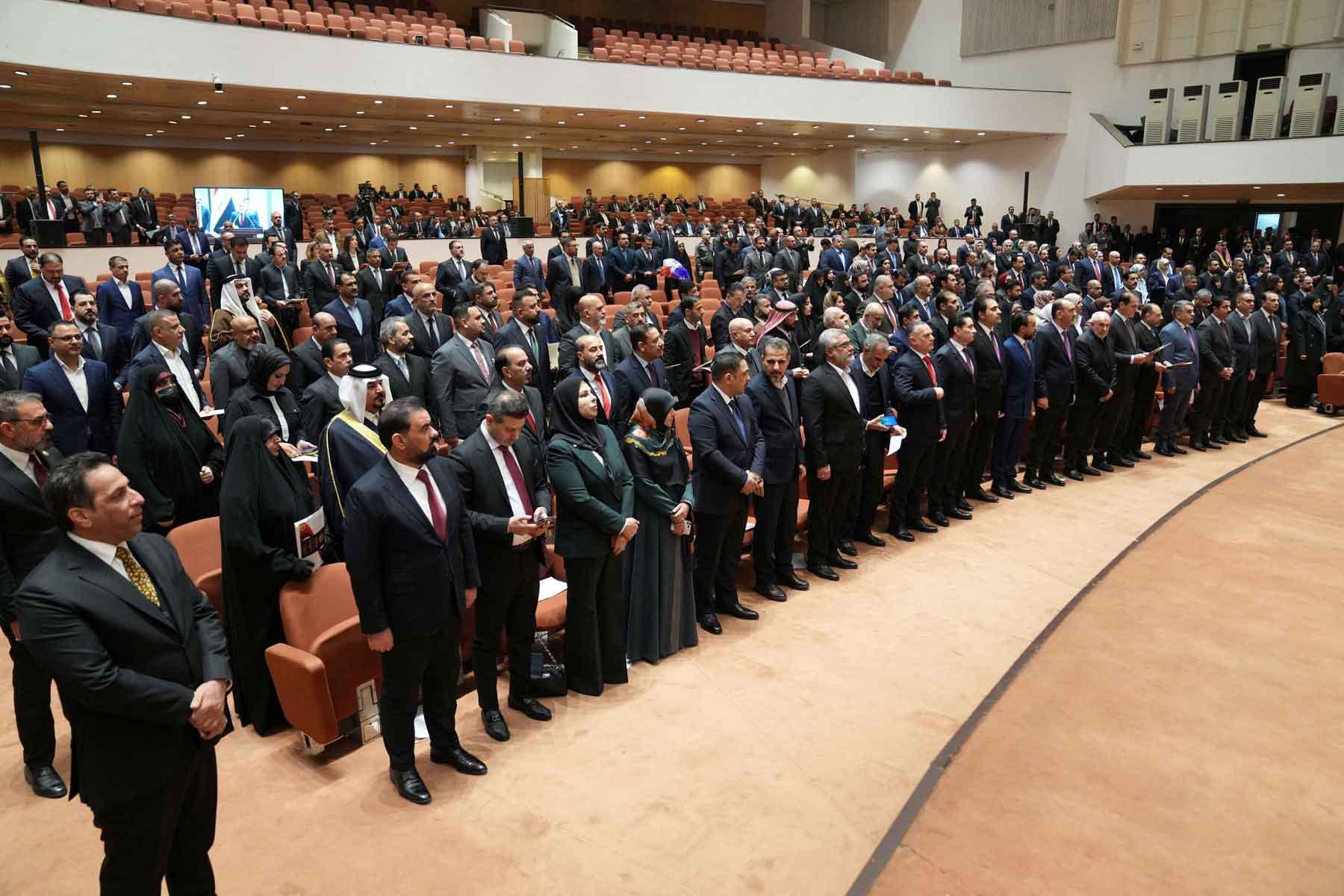
BAGHDAD – Iraq’s parliament on Tuesday postponed the election of a new president, shortly after announcing that a dedicated session would be held for the vote, amid reports of sharp disagreements between parliamentary blocs and unresolved divisions among the main Kurdish parties.
The official Iraqi News Agency (INA) said the Council of Representatives decided to delay the presidential election without setting a new date, as political forces struggled to bridge differences over candidates for the largely ceremonial but constitutionally pivotal post.
The session had gone ahead despite formal requests from the two main Kurdish parties, the Kurdistan Democratic Party (KDP) and the Patriotic Union of Kurdistan (PUK), to postpone proceedings, a move that underscored the depth of the rift over the presidency as a strict constitutional deadline looms.
Parliament Speaker Haibat al-Halbousihad received written requests from both Kurdish parties calling for a delay in the vote. A statement from his office said the aim was to allow more time for dialogue between the KDP and the PUK in order to agree on a unified candidate, a goal that has yet to be achieved.
However, shortly before the session convened, Abdul-Amir Mayahi, a lawmaker from the Construction and Development Alliance, publicly ruled out the possibility of postponement. Speaking to Iraqi Kurdish outlet Shafaq News, he insisted that parliament would proceed as scheduled and that no official decision to delay had been issued.
Mayahi said the Kurdish parties had failed to agree on a single nominee, opening the door for MPs to vote for whichever candidate they deemed most suitable. His remarks raised the prospect that the outcome could break with the long-standing tradition of Kurdish consensus over the presidency.
Under Iraq’s constitution, parliament must elect a president within 30 days of its first sitting. With the inaugural session held on 29 December 2025, the deadline expires late on 28 January 2026, increasing pressure on political forces to avert a potential constitutional vacuum.
On Sunday evening, parliament’s media department had announced the agenda for the eighth session, scheduled for 11am on Tuesday, noting that it would include only one item: the election of the president. The narrow agenda highlighted the significance of the vote at a time of political realignment and internal tension.
The presidential race features 14 approved candidates, following vetting by Iraq’s judiciary and parliament from an initial pool of more than 40 nominees. The contest is widely expected to be dominated by two Kurdish frontrunners: Fuad Hussein, nominated by the KDP, and Nizar Amedi, backed by the PUK.
Since 2005, Iraq’s post-war political system has been shaped by an informal power-sharing arrangement along ethnic and sectarian lines, with the presidency allocated to the Kurds, the premiership to Shiites, and the speakership of parliament to Sunnis.
Within the Kurdish political arena, however, the presidency has traditionally been held by the PUK, producing figures such as Jalal Talabani, Fuad Masum, Barham Salih and Abdul Latif Rashid. The KDP’s decision to enter the race forcefully marks a significant shift and has intensified competition between the two parties.
In recent months, KDP leader Massoud Barzani has called for a review of the mechanism for selecting the president, proposing a new formula that would allow all Kurdish parties and blocs to put forward a consensus candidate, rather than perpetuating what he described as an exclusive arrangement between the two dominant parties.
Political observers say the proposal reflects an effort to ease intra-Kurdish tensions and reinforce internal unity in a way that protects Kurdish interests while preserving Iraq’s fragile national balance.
The call also signals a broader push towards strengthening political partnership across Iraq’s divided landscape, in an attempt to consolidate the democratic process and limit disputes that could obstruct the formation and work of the next government.
As the constitutional deadline draws near, the fate of the postponed session and the outcome of the presidential race remain closely watched. Iraq now stands at a crossroads, with the coming days likely to determine whether the country moves towards renewed political compromise or slips into another phase of uncertainty driven by unresolved divisions.