

Attempts to anchor a counterbalancing alignment in the Eastern Mediterranean
Israel–Greece talks highlight Egypt–Turkey rapprochement concerns
Israel is already contributing to Athens’ efforts to construct a multi-layered air defence system, as non-traditional threats increasingly challenge national security across the region.
Wednesday 21/01/2026
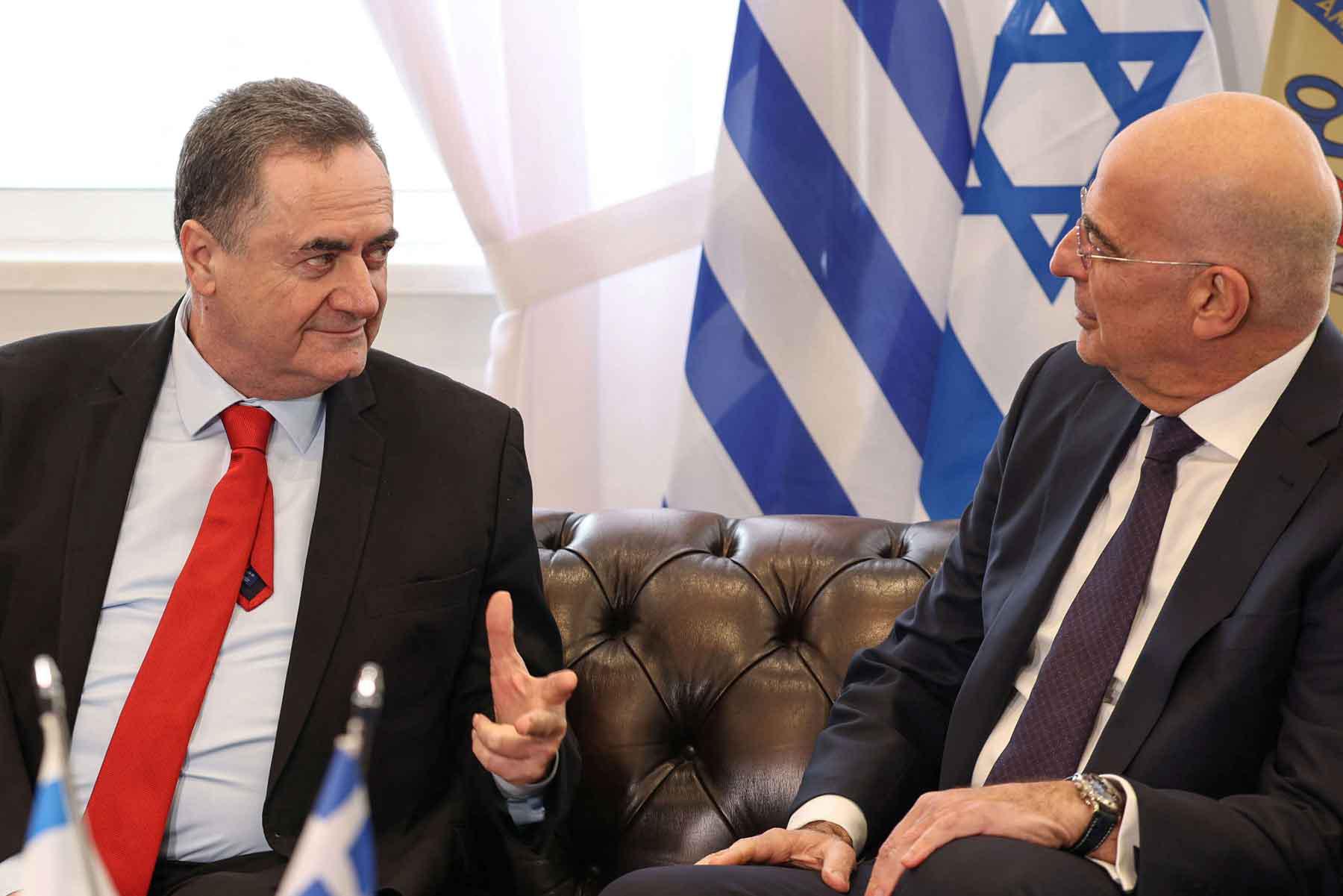
Attempts to anchor a counterbalancing alignment in the Eastern Mediterranean
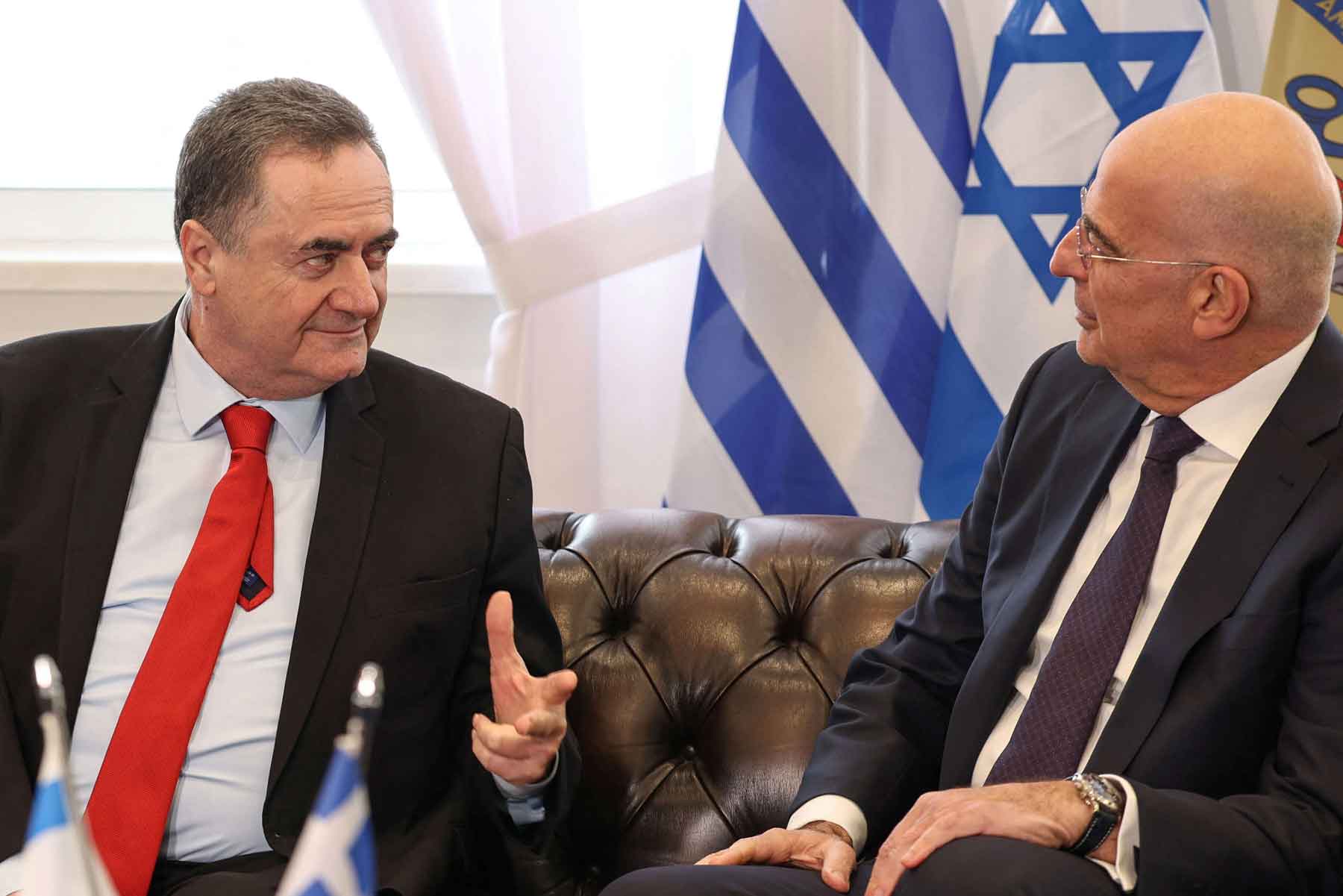
ATHENS – Israeli Defence Minister Israel Katz’s visit to Athens has gone beyond the bounds of routine bilateral diplomacy, carrying deeper political and security messages at a time when regional alliances in the Eastern Mediterranean are being reshaped. The trip comes amid accelerating rapprochement between Egypt and Turkey across political, economic and defence files, a development that is altering long-standing regional equations.
Against this backdrop, the strengthening military understandings between Greece and Israel are being read not only as a response to emerging threats, but also as an expression of growing unease over new regional dynamics taking shape in the Eastern Mediterranean.
During the visit, Athens and Tel Aviv underlined the importance of expanding their defence partnership. Greek Defence Minister Nikos Dendias announced cooperation with Israel on developing technologies to counter drone threats, particularly drone swarms, reflecting heightened awareness of how modern warfare is evolving and how rapidly the tools of conflict are changing.
The announcement followed extensive talks in the Greek capital and builds on a previously signed trilateral defence agreement between Greece, Israel and Cyprus. That framework laid the groundwork for deeper cooperation in military training, the exchange of expertise and strategic planning, especially in the complex maritime and aerial environments of the Eastern Mediterranean.
Greek officials say Israel is already contributing to Athens’ efforts to construct a multi-layered air defence system, as non-traditional threats such as unmanned aerial and underwater platforms increasingly challenge national security across the region. The cooperation is aimed at strengthening deterrence capabilities and improving adaptability to fast-moving technological shifts on modern battlefields.
For his part, Katz described the partnership with Greece as a stabilising factor in an increasingly fluid regional environment, stressing that defence coordination between the two countries extends beyond bilateral interests to encompass the security of the Eastern Mediterranean as a whole. His remarks came amid intensifying geopolitical competition and the growing overlap between security and energy considerations.
However, analysts argue that the expanding military ties also carry indirect messages to other regional players, most notably Egypt and Turkey, whose relationship has undergone a notable transformation after years of estrangement. Cairo and Ankara have recently moved to rebuild cooperation, driven by a shared assessment that regional challenges require broader coordination, particularly in light of the war in Gaza and developments in Syria and Lebanon.
This rapprochement was on clear display at the EDEX 2025 defence exhibition in Cairo, where Egypt and Turkey showcased jointly developed unmanned military systems. The move signalled a shift from political normalisation towards practical defence cooperation.
The trajectory is widely seen as strategic, especially given the sharp deterioration in Egyptian-Turkish relations after 2013, followed by a gradual thaw marked by the restoration of diplomatic representation and intensified security and military dialogue.
Defence cooperation between Cairo and Ankara is now expanding rapidly, encompassing joint exercises and coordination in military industries. These developments have raised concerns in Israel, which is closely monitoring the emerging partnership as a factor that could affect regional balances of power. Israeli assessments suggest that a sophisticated military partnership between two pivotal states such as Egypt and Turkey could narrow Israel’s margin of strategic superiority.
Israel has also voiced unease over Egypt’s efforts to diversify its arms suppliers and strengthen its military presence in the Sinai Peninsula, alongside its persistent criticism of Turkey’s military footprint in Syria. These concerns have been sharpened by the unprecedented strain in Turkish-Israeli relations following the war in Gaza.