


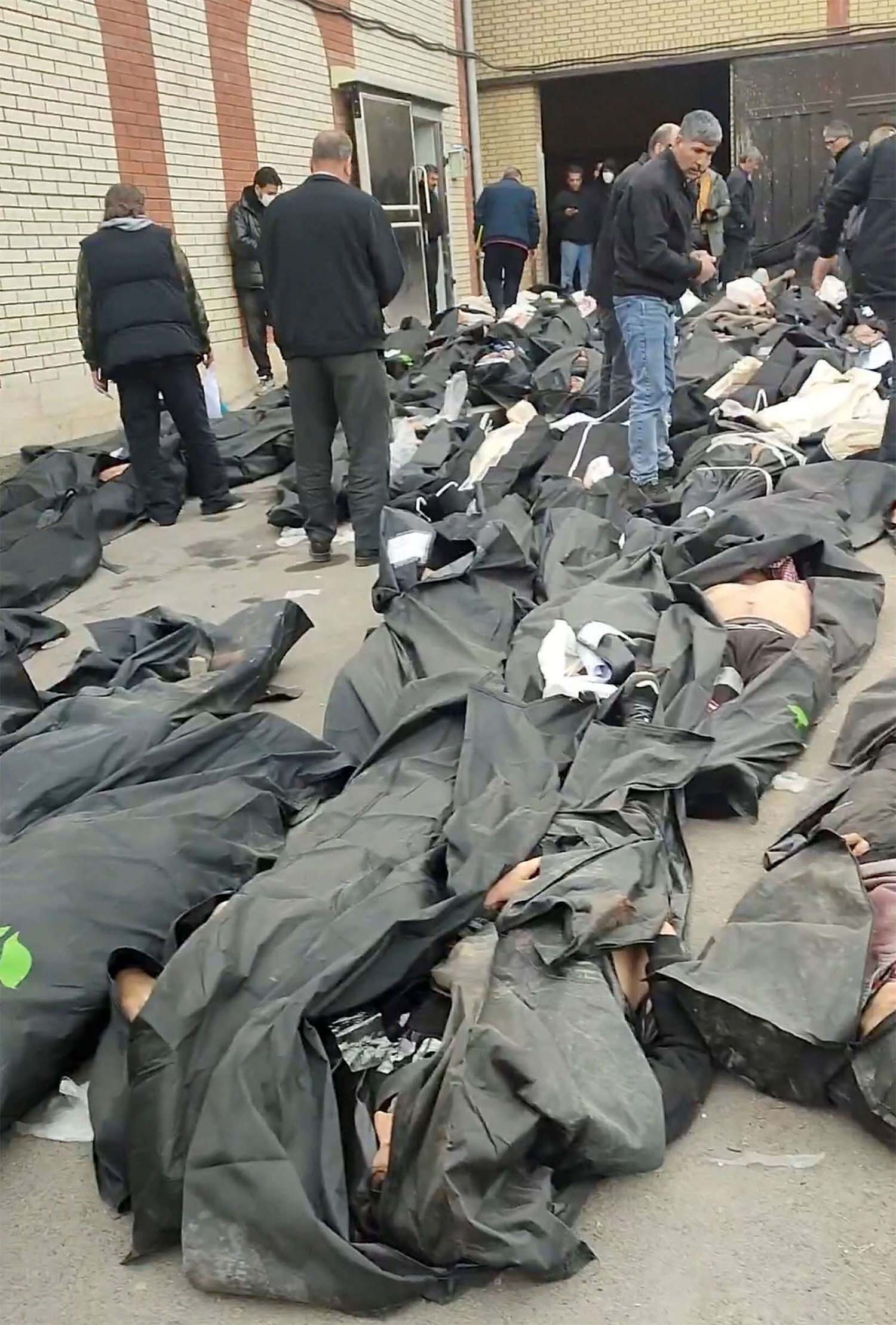
Bodies lie in body bags on the ground as people stand amid the scene outside Kahrizak Forensic Medical Centre in Tehran
More than 500 killed in anti-govt protests across Iran
A US-based group says 490 protesters and 48 security personnel have been killed in protests across Iran as Tehran threatens to target US military bases if Trump carries out threats to intervene on behalf of protesters.
Sunday 11/01/2026
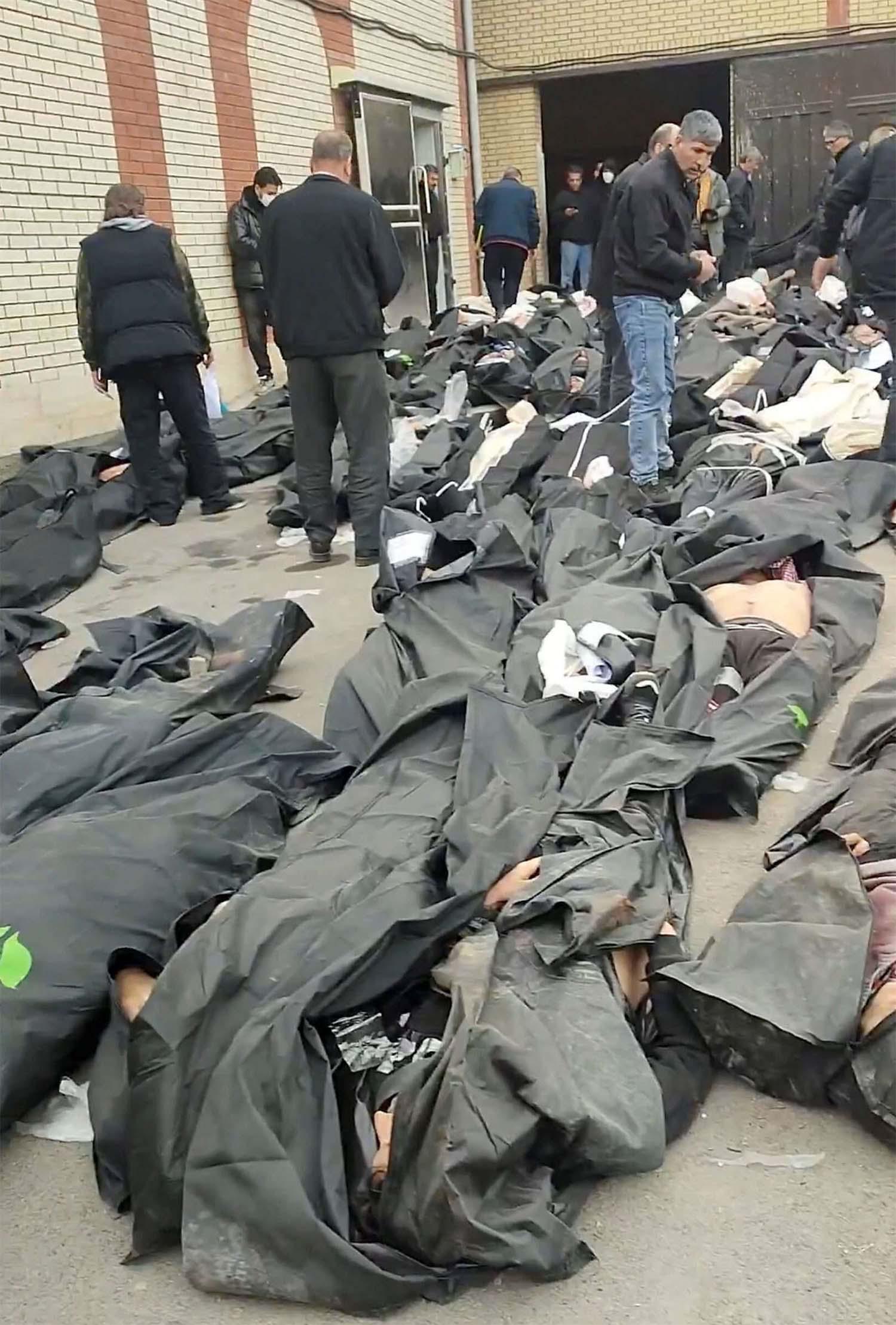
Bodies lie in body bags on the ground as people stand amid the scene outside Kahrizak Forensic Medical Centre in Tehran
DUBAI/JERUSALEM - Unrest in Iran has killed more than 500 people, a rights group said on Sunday, as Tehran threatened to target US military bases if President Donald Trump carries out threats to intervene on behalf of protesters.
With the Islamic Republic's clerical establishment facing the biggest demonstrations since 2022, Trump has repeatedly threatened to intervene if force is used on protesters.
According to its latest figures - from activists inside and outside Iran - US-based rights group HRANA said it had verified the deaths of 490 protesters and 48 security personnel, with more than 10,600 people arrested in two weeks of unrest.
Iran has not given an official toll and Reuters was unable to independently verify the tolls. Trump was to be briefed by his officials on Tuesday on options over Iran including military strikes, using secret cyber weapons, widening sanctions and providing online help to anti-government sources, the Wall Street Journal said on Sunday.
Iranian Parliament Speaker Mohammad Baqer Qalibaf warned Washington against "a miscalculation".
"Let us be clear: in the case of an attack on Iran, the occupied territories (Israel) as well as all US bases and ships will be our legitimate target," said Qalibaf, a former commander in Iran's elite Revolutionary Guards.
AUTHORITIES INTENSIFY CRACKDOWN
The protests began on December 28 in response to soaring prices, before turning against the clerical rulers who have governed since the 1979 Islamic Revolution.
Iranian authorities accuse the US and Israel of fomenting trouble and called for a nationwide rally on Monday to condemn "terrorist actions led by the United States and Israel" in Iran, state media reported.
The flow of information from Iran has been hampered by an internet blackout since Thursday.
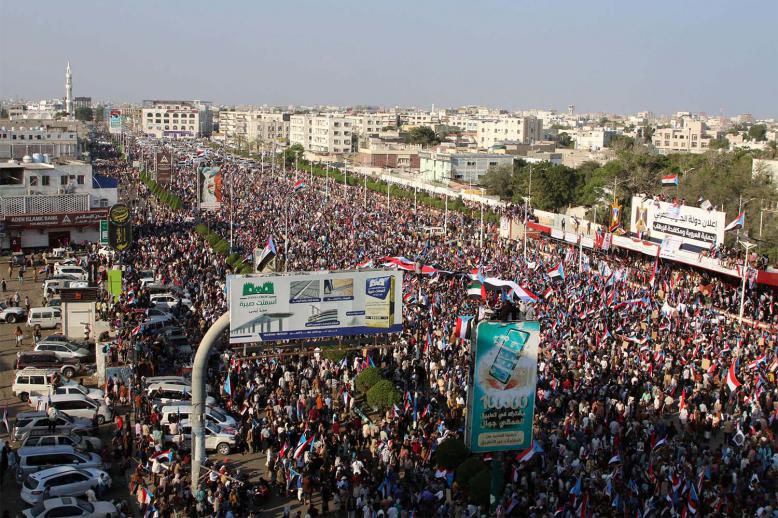
Footage posted on social media on Saturday from Tehran showed large crowds marching along a street at night, clapping and chanting. The crowd "has no end nor beginning," a man is heard saying.
In footage from the northeastern city of Mashhad, smoke can be seen billowing into the night sky from fires in the street, masked protesters, and a road strewn with debris, another video posted on Saturday showed. Explosions could be heard.
Reuters verified the locations.
State TV showed dozens of body bags on the ground at the Tehran coroner's office, saying the dead were victims of events caused by "armed terrorists", as well as footage of loved ones gathered outside the Kahrizak Forensic Medical Centre in Tehran waiting to identify bodies.
Authorities on Sunday declared three days of national mourning "in honour of martyrs killed in resistance against the United States and the Zionist regime," according to state media.
Three Israeli sources, who were present for Israeli security consultations over the weekend, said Israel was on a high-alert footing for the possibility of any US intervention.
An Israeli military official said the protests were an internal Iranian matter, but Israel's military was monitoring developments and was ready to respond "with power if need be". Israel and Iran fought a 12-day war in June last year, which the United States briefly joined by attacking key nuclear installations. Iran retaliated by firing missiles at Israel and an American air base in Qatar.
IRAN DENOUNCES 'RIOTERS AND TERRORISTS'
While the Iranian authorities have weathered previous protests, the latest have unfolded with Tehran still recovering from last year's war and with its regional position weakened by blows to allies such as Lebanon's Hezbollah since the October 7, 2023 Hamas-led attacks against Israel. Iran's unrest comes as Trump flexes US muscles on the world stage, having ousted Venezuelan President Nicolas Maduro, and floating the possibility of acquiring Greenland by purchase or military force.
Iranian President Masoud Pezeshkian, in a TV interview, said Israel and the US were masterminding destabilisation and that Iran's enemies had brought in "terrorists ... who set mosques on fire .... attack banks, and public properties".
"Families, I ask you: do not allow your young children to join rioters and terrorists who behead people and kill others," he said, adding that the government was ready to listen to the people and to resolve economic problems.
Iran summoned Britainâs ambassador on Sunday to the foreign ministry in Tehran over interventionist comments attributed to the British foreign minister and a protester removing the Iranian flag from the London Embassy building and replacing it with a style of flag that was used prior to the 1979 Islamic Revolution.
Britain's foreign office did not immediately reply to a request for comment.
Alan Eyre, a former US diplomat and Iran expert, thought it unlikely the protests would topple the establishment.
"I think it more likely that it puts these protests down eventually, but emerges from the process far weaker," he told Reuters, noting that Iran's elite still appeared cohesive and there was no organised opposition.
Iranian state TV broadcast funeral processions in western cities such as Gachsaran and Yasuj for security personnel killed in protests.
State TV said 30 members of the security forces would be buried in the central city of Isfahan and that six more were killed by "rioters" in Kermanshah in the west.
US READY TO HELP, SAYS TRUMP
Trump, posting on social media on Saturday, said: "Iran is looking at FREEDOM, perhaps like never before. The USA stands ready to help!!!"
In a phone call on Saturday, Israeli Prime Minister Benjamin Netanyahu and US Secretary of State Marco Rubio discussed the possibility of US intervention in Iran, according to an Israeli source present for the conversation.
Some US lawmakers on Sunday questioned the wisdom of taking military action against Iran. Republican Senator Rand Paul and Democratic Senator Mark Warner warned that rather than undermining the regime, a military attack on Iran could rally the people against an outside enemy.
But Republican Senator Lindsey Graham, who has often touted a muscular approach to US foreign policy, advised Trump to "kill the leadership that are killing the people."
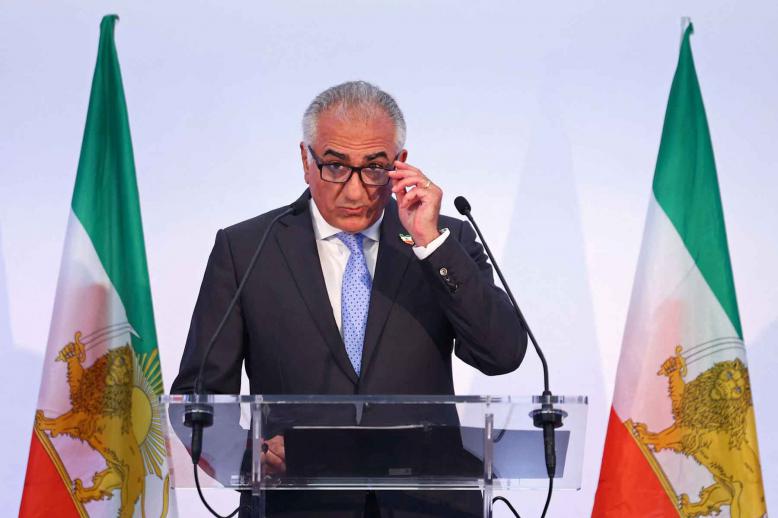
Reza Pahlavi, the exiled son of Iran's last shah and a prominent voice in the fragmented opposition, said Trump had observed Iranians' "indescribable bravery". "Do not abandon the streets," Pahlavi, who is based in the US, wrote on X.
Maryam Rajavi, president-elect of the National Council of Resistance of Iran, a Paris-based Iranian opposition group, wrote on X that people in Iran had "asserted control of public spaces and reshaped Iran's political landscape".
Her group, also known as Mujahideen-e-Khalq (MEK), joined the 1979 Revolution but later broke from the ruling clerics and fought them during the Iran-Iraq war in the 1980s.
Netanyahu, speaking during a cabinet meeting, said Israel was closely monitoring developments. "We all hope that the Persian nation will soon be freed from the yoke of tyranny," he said.