


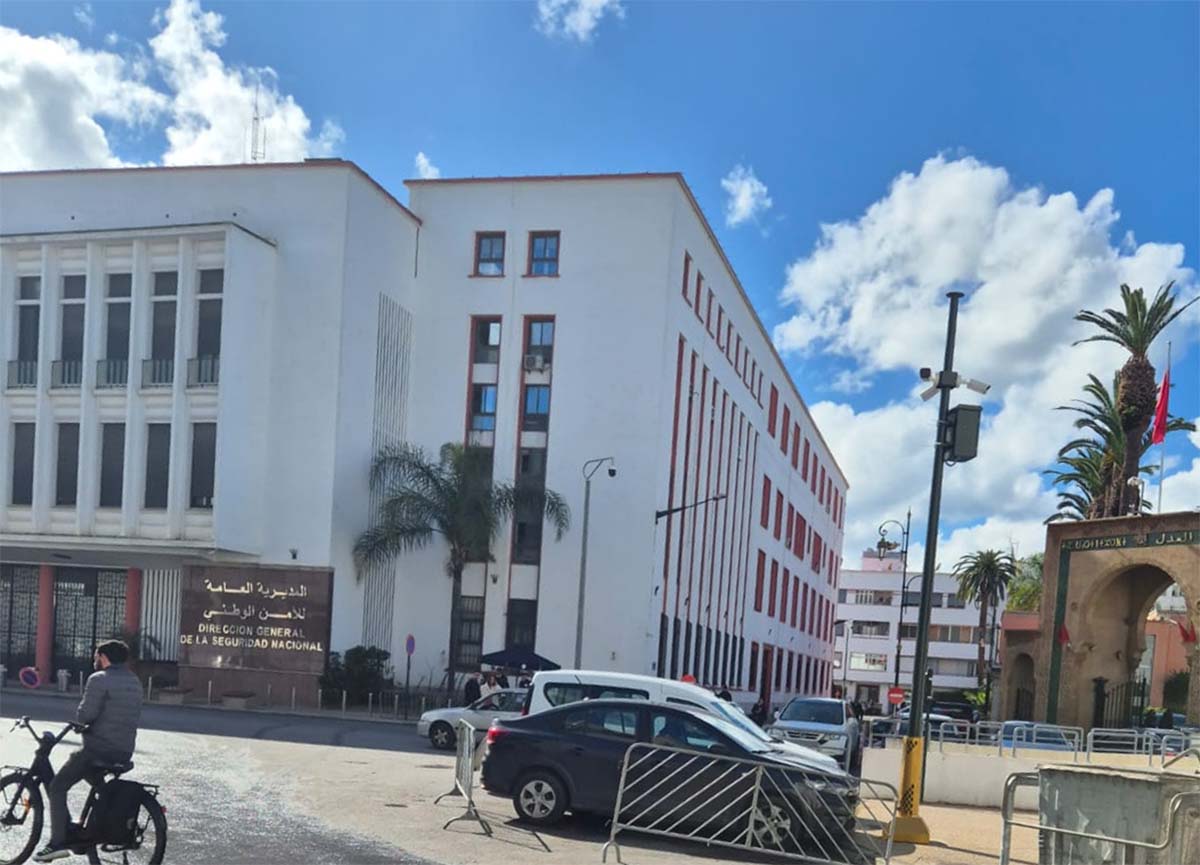
The DGSN said that no acts of aggression, criminal attacks, or arson targeting businesses or economic interests owned by sub-Saharan nationals were recorded during or after the AFCON final
Morocco denies Le Point report on attacks on African businesses
Morocco's General Directorate of National Security issues a strong denial, describing the claims as false, unfounded, and fallacious allegations.
Monday 26/01/2026
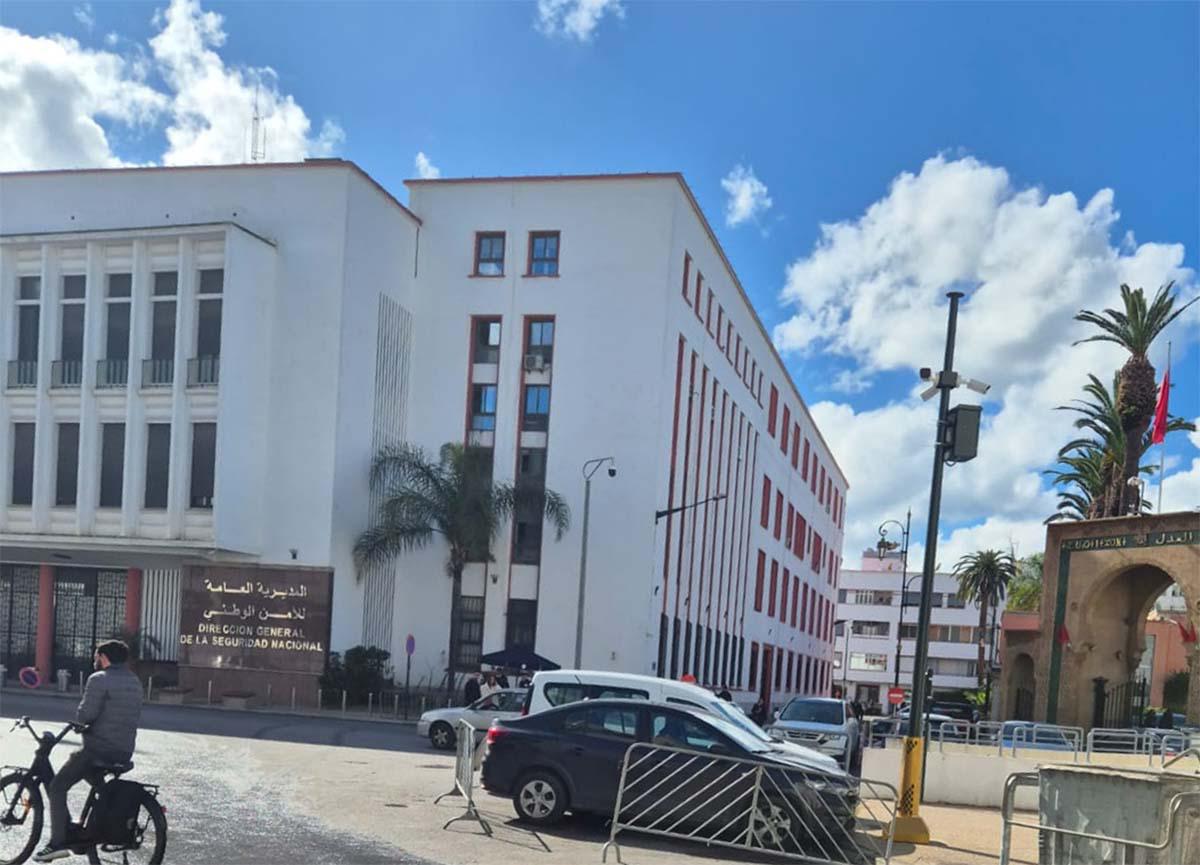
The DGSN said that no acts of aggression, criminal attacks, or arson targeting businesses or economic interests owned by sub-Saharan nationals were recorded during or after the AFCON final
RABAT - Morocco's authorities vehemently rejected allegations published in the French magazine Le Point, which claimed that businesses owned by sub-Saharan Africans were targeted in attacks, looting, and arson following the Morocco national team's defeat in the Africa Cup of Nations (AFCON) final.
The controversy stems from an opinion piece in Le Point's debates section, titled something along the lines of "The West doesn't have a monopoly on racism: proof from the CAN".
The column suggested that, amid post-match frustrations after Morocco's loss, shops belonging to sub-Saharan nationals in Morocco faced racially motivated violence, including pillaging and burning. It framed this as an example of intra-African prejudice and racism, arguing that such incidents demonstrate hatred between sub-Saharan Africans and North Africans.
In response, Morocco's General Directorate of National Security (DGSN) issued a strong denial on Friday, describing the claims as "false," "unfounded," and "fallacious allegations."
The DGSN’s statement said that no acts of aggression, criminal attacks, or arson targeting businesses or economic interests owned by sub-Saharan nationals were recorded during or after the AFCON final.
Security services maintained full monitoring of public order throughout the tournament and reported no such incidents, added the statement.
The DGSN accused the article of spreading baseless narratives that damage Morocco's image and its relations with African nations.
Moroccan media portrayed the Le Point piece as misleading or part of a pattern of unfair criticism from certain French media toward Moroccan institutions.
Morocco has positioned itself as a key player in African unity - through investments, diplomatic initiatives, and hosting events - while managing a significant community of sub-Saharan migrants and entrepreneurs, many operating small businesses in cities like Casablanca, Rabat, and Tangier.
Critics of the Le Point article argue it relies on unverified claims and risks amplifying stereotypes, especially without concrete evidence such as police reports, victim testimonies, or visual documentation.