


The accusations are based on no objective evidence
Morocco denounces smear campaign against its tomatoes in France
The Moroccan Association of Fruit and Vegetable Producers and Exporters says the smear campaign is aimed at hindering the entry of Moroccan products into the European market by using a health pretext.
Wednesday 29/10/2025
The accusations are based on no objective evidence
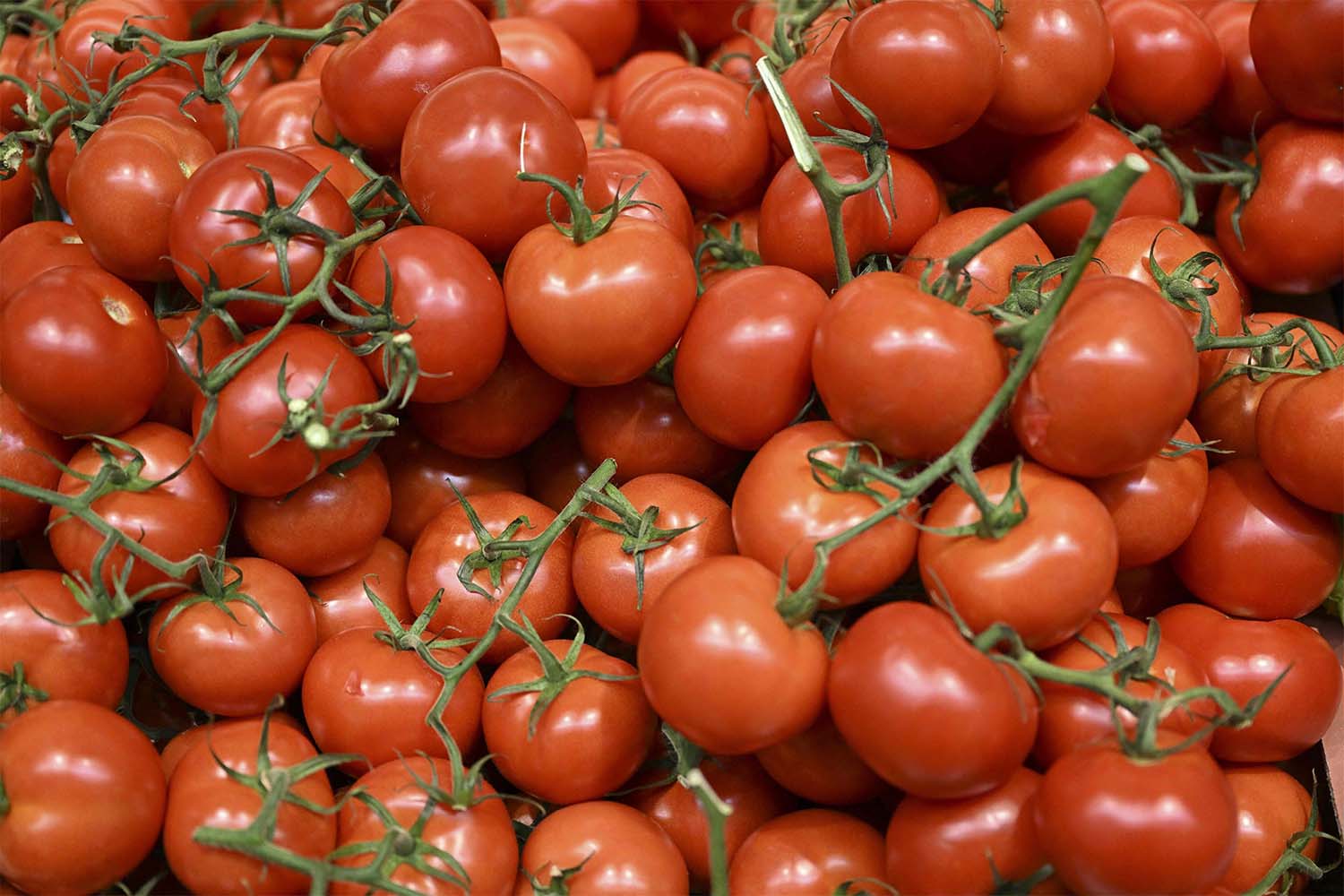
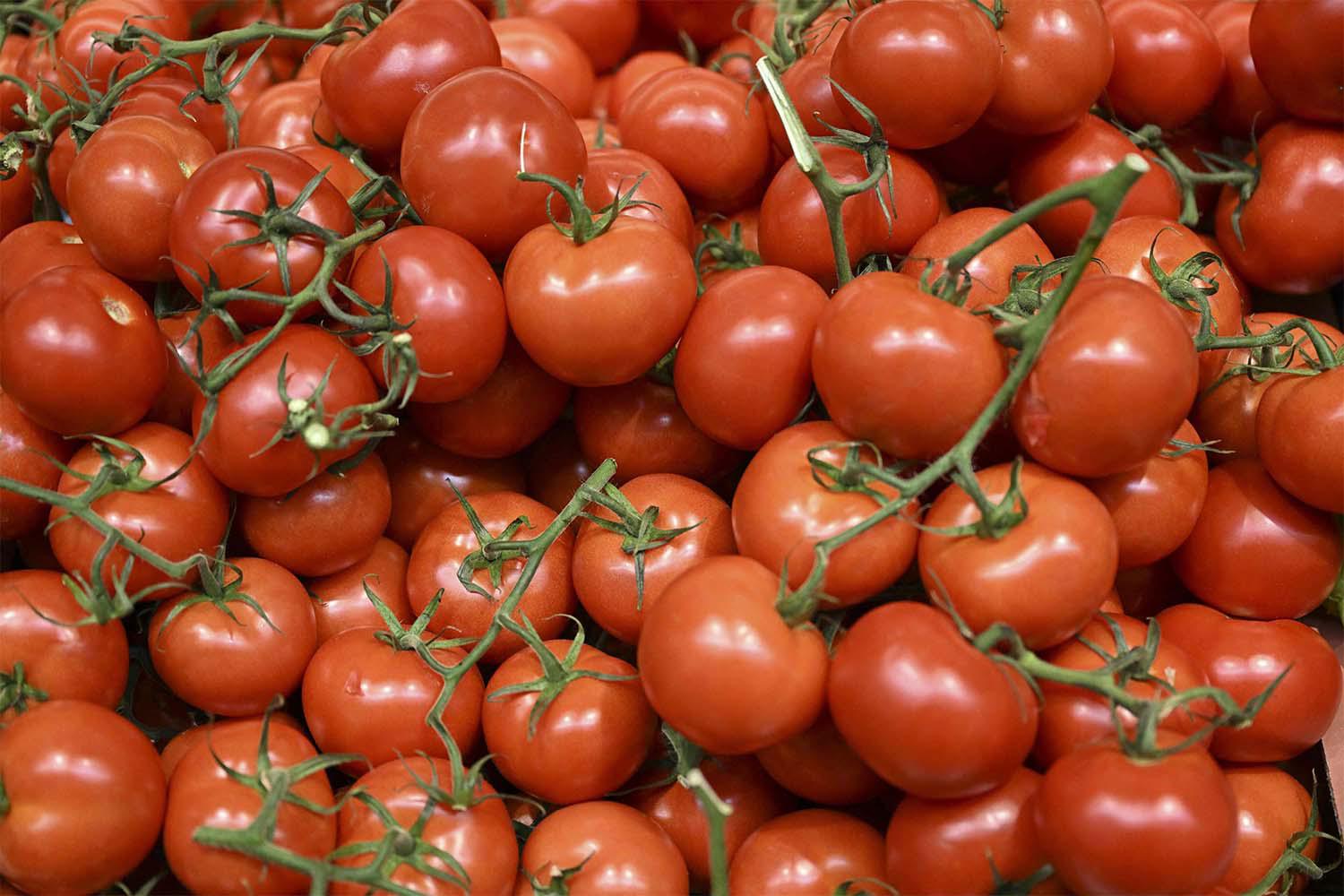
RABAT - The Moroccan Association of Fruit and Vegetable Producers and Exporters (APEFEL) denounced the disinformation campaign against Moroccan tomatoes in certain European media, particularly in France.
In a press release published on Monday, APEFEL slammed a disinformation campaign waged by certain European media outlets that question the quality of Moroccan tomatoes “without any scientific evidence,” which it considers an attempt to denigrate Moroccan agricultural products under the guise of "health precautions."
The Association stated that this was not an isolated case. For some time now, Moroccan agricultural products, and tomatoes in particular, have been regularly attacked.
APEFEL stressed that, since 2023, Morocco has become the leading non-EU supplier of tomatoes to the European Union, and that this success is based on the quality of Moroccan production, rigorous health controls, and a high-performing agricultural sector
It asserted that these accusations are based on no objective evidence.
"Official European statistics indicate that Morocco represents less than 1% of the total notifications relating to fruit and vegetables recorded between 2020 and 2025," said the Association.
These statistics demonstrate the effectiveness of the Moroccan control system, managed by the National Office for Food Safety (ONSSA), which is recognized for its rigour and transparency and ensures compliance with European standards and guarantees the safety of exported products, according to APEFEL.
The Association pointed to a recent article by the French platform UFC-Que Choisir, which it considers representative of this unjustified suspicion.
"Its analysis is based on a limited sample and outdated data, which in no way allows for generalized conclusions to be drawn about the quality of Moroccan products," it stressed.
APEFEL explained that finding "several residues" did not mean that the permitted limits had been exceeded.
“These maximum residue limits (MRLs) are strictly set by European regulations. The traces detected are minute and pose no danger to consumers,” said the association.
According to APEFEL, the real reason behind these attacks is economic, aimed at hindering the entry of Moroccan products into the European market by using a health pretext.
APEFEL reaffirmed its commitment to guaranteeing high-quality production, compliant with European and international standards, and to contributing to the development of a balanced and sustainable agri-food trade.