

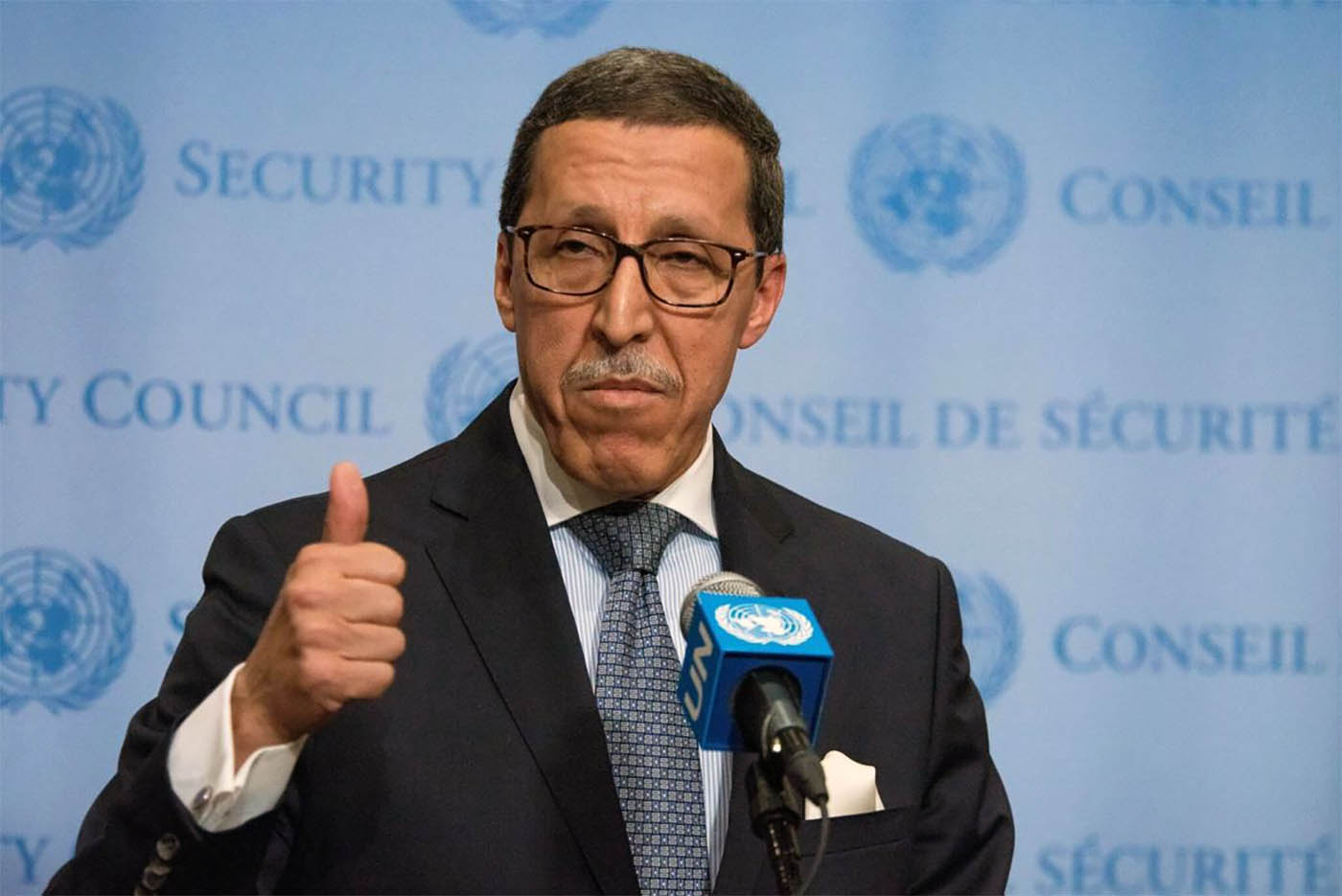
Omar Hilale, permanent representative of Morocco to the United Nations
Morocco elected vice-president of 3rd UN Conference on Landlocked Countries
Hilale: Morocco's role was recognized through my election as vice-president of the conference, which will allow us to be more active in the debates and parallel meetings.
Wednesday 06/08/2025
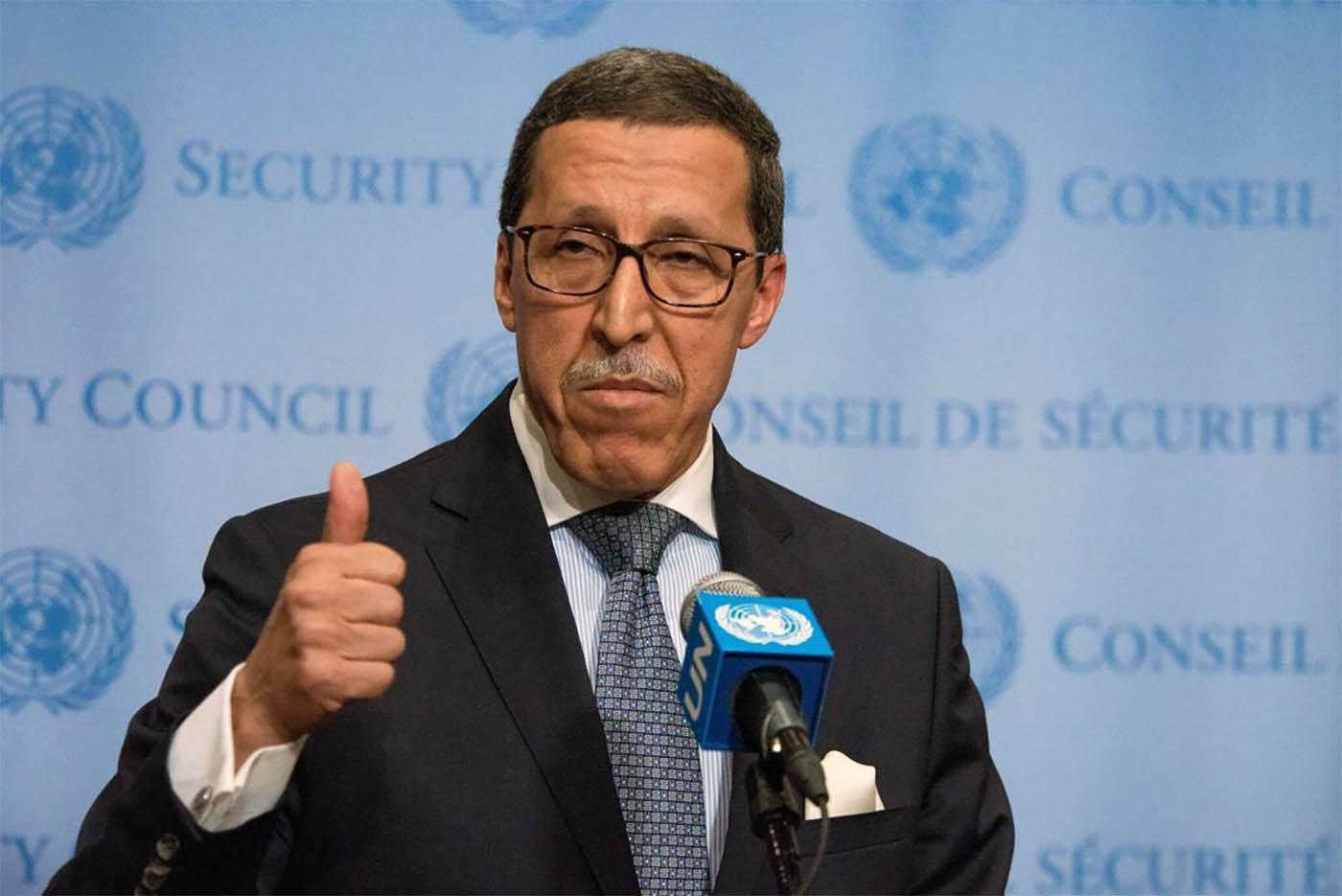
Omar Hilale, permanent representative of Morocco to the United Nations
RABAT - Morocco, in the person of its ambassador, permanent representative of the Kingdom to the United Nations, Omar Hilale, was elected, on Tuesday, vice-president of the third United Nations Conference on Landlocked Developing Countries, which is being held in Awaza, Turkmenistan.
"Morocco's role was recognized through my election as vice-president of the conference, which will allow us to be more active in the debates and parallel meetings," Omar Hilale said in a statement to MAP.
This conference comes at an opportune time after being postponed twice, he stressed, recalling that landlocked developing countries represent 9% of the world's population and one-sixth of the United Nations member states, which illustrates their magnitude.
The Moroccan diplomat emphasized the importance of this event, which highlights the difficulties and challenges facing these countries, and offers the international community an opportunity to discuss ways to help them.
This conference will result in a political declaration of solidarity with landlocked developing countries, giving them greater attention, while working collectively to strengthen their support, notably through an action plan focused on strengthening their resilience and adaptive capacity, encouraging trade , facilitating trade , attracting investment and improving access, all important levers to break their isolation, he said.
He also highlighted the vision of King Mohammed VI in terms of aid and cooperation with landlocked developing countries, citing in particular two major initiatives, namely the Atlantic initiative aimed at guaranteeing Sahel countries free access to the Atlantic Ocean, and the initiative to open up the Sahel countries, an essential and strategic action of South-South solidarity in favor of these States.
Morocco will participate in three parallel sessions of the conference to shed light on the royal strategy of support to these countries, the Kingdom's policy within the general framework of the 2030 Agenda, as well as the solidarity actions carried out by Morocco, particularly in Africa , said Hilale.
This conference will help these countries to face two main obstacles, namely underdevelopment, since the majority of these countries are developing, and the difficulty of accessing connectivity, transport and trade networks, which increases the costs of their imports and exports and hinders their development, he added.
Morocco is represented at this event by a delegation led by the Minister of Transport and Logistics, Abdessamad Kayouh, in addition to Hilale, the Moroccan ambassador to the republics of Kazakhstan, Tajikistan, Turkmenistan and Kyrgyzstan, Mohamed Rachid Maaninou, as well as several diplomats and officials from the Ministry of Transport and Logistics.
The conference aims to rethink the development path in landlocked countries and provides a meeting platform for high-level delegations, international officials, investors and organizations to discuss, among other things, strategies for integrating the specific issues of these countries into global policies, investment plans and the development of ideas related to the Sustainable Development Agenda.
The first UN conference on landlocked developing countries was held in August 2003 in Almaty (Kazakhstan), while the second took place in November 2014 in Vienna.