

Diverse missions, from air interception to close air support
Morocco negotiates Pakistan’s JF-17 jets to diversify military arsenal
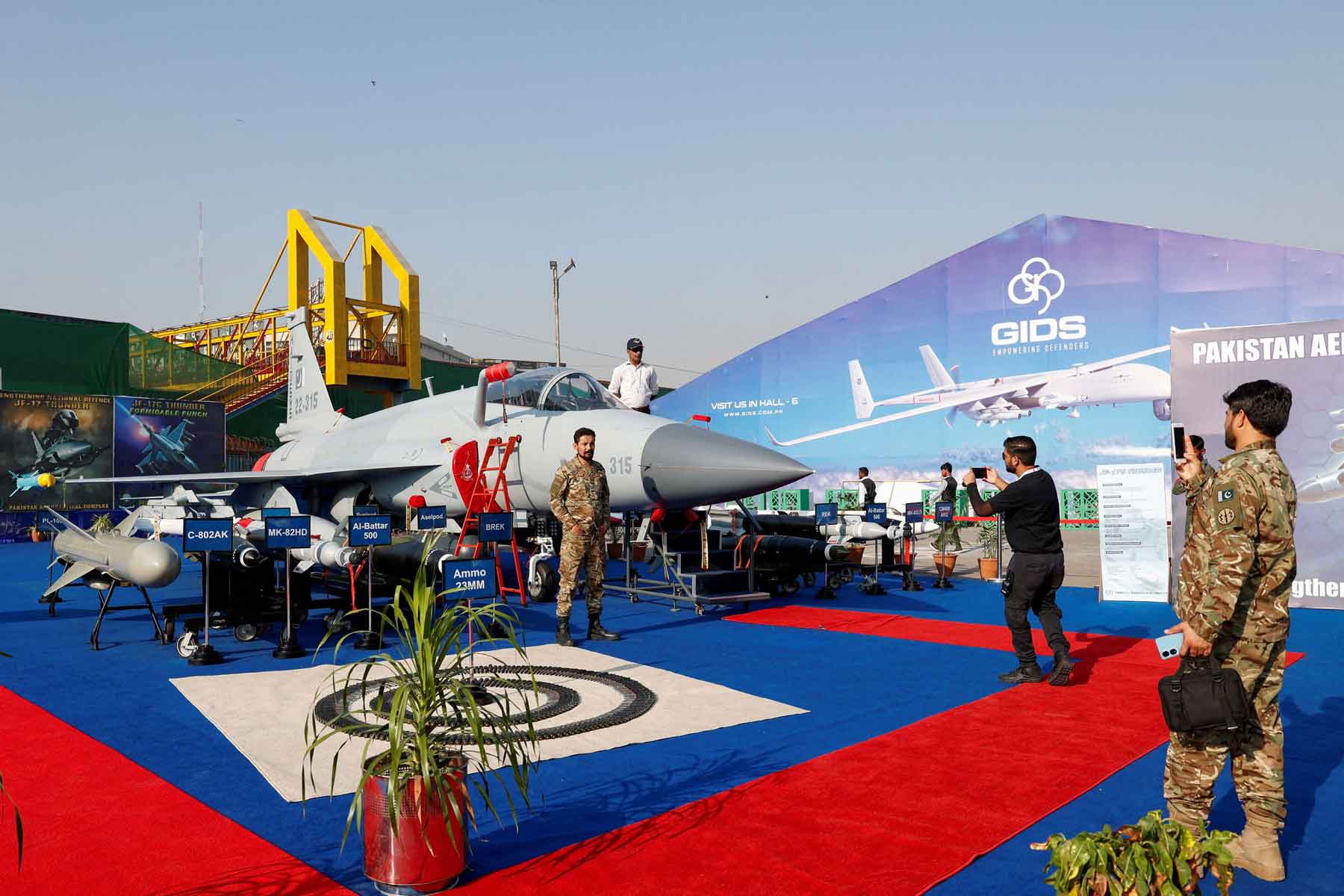
The JF-17 Block 3 offers advanced combat features, including state-of-the-art avionics and AESA-class radar systems, at a fraction of the cost of comparable Western aircraft.
Monday 26/01/2026
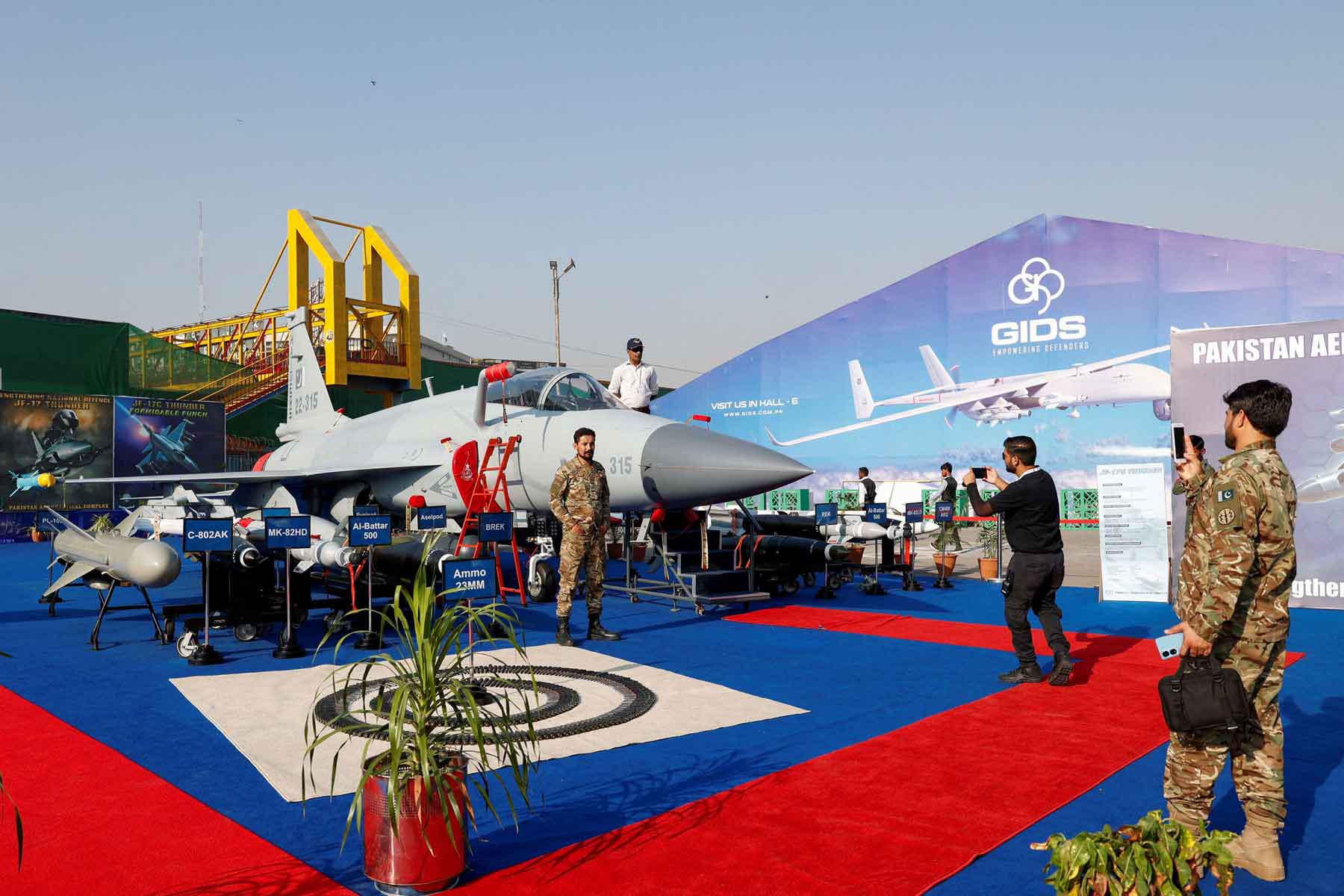
Diverse missions, from air interception to close air support
RABAT/ISLAMABAD – Morocco’s interest in Pakistan’s JF-17 Thunder fighter jets marks a concrete step in a sophisticated military strategy prioritising diversified arms procurement and partnerships with emerging global defence players. The move reflects Rabat’s careful balancing act between maintaining ties with traditional suppliers and opening channels to rising powers.
International reports, including coverage by Daily Pakistan, indicate that Morocco is in advanced negotiations with Islamabad to acquire the latest Block 3 variant of the fighter jet. Analysts note that the deal’s significance lies in the balance of cost and capability: priced between $25 million and $40 million per aircraft, the JF-17 Block 3 offers advanced combat features, including state-of-the-art avionics and AESA-class radar systems, at a fraction of the cost of comparable Western aircraft.
The jet’s operational performance during conflicts in the Indian subcontinent in 2025 has bolstered Moroccan military confidence in its ability to carry out diverse missions, from air interception to close air support. Strategically, the turn towards Pakistan, supported by Chinese technology, signals Rabat’s desire to reduce reliance on Western capitals, which might impose political or technical constraints during conflicts or sudden geopolitical shifts.
Morocco’s defence partnerships extend beyond Asia. The United States remains a key supplier, accounting for nearly 64 percent of arms imports. Major acquisitions include AH-64E Apache helicopters to enhance offensive capability and Stinger and Javelin missile systems, in deals exceeding $825 million in 2025 to modernise air defence and anti-armour capabilities.
China has also emerged as a reliable partner, supplying AR2 long-range rocket launchers and Sky Dragon air defence systems. Meanwhile, Turkish drones, including Bayraktar TB2 and Akinci models, have become the backbone of Morocco’s unmanned air operations, with ambitious plans for local maintenance and production hubs.
Morocco is not merely acquiring military hardware; it is advancing industrial sovereignty. Defence contracts increasingly incorporate “military offset” clauses, requiring suppliers to transfer technology and establish production facilities on Moroccan soil. This approach aims to position Morocco as a regional hub for defence manufacturing and maintenance, leveraging the new defence industry law to attract foreign investment.
By maintaining a military arsenal sourced from the US, France, China, Pakistan and Turkey, Morocco ensures operational flexibility and technological modernisation while safeguarding its strategic autonomy. This diversification also neutralises potential leverage that major powers might seek to exert through spare parts, licensing or operational dependencies.