No longer a distant vision


As an Iraqi by origin and a resident of Britain, I have become an unofficial expert in escaping Europe’s unforgiving winter. Whenever temperatures fall, my mind instinctively searches the map for warmth, a place where the sun is generous and heavy coats can take an unpaid break. I am not alone in this seasonal impulse. Childhood friends scattered across Europe suffer from the same affliction. And so, as friendship often does when it conspires against geography, we agreed to meet in Dubai.
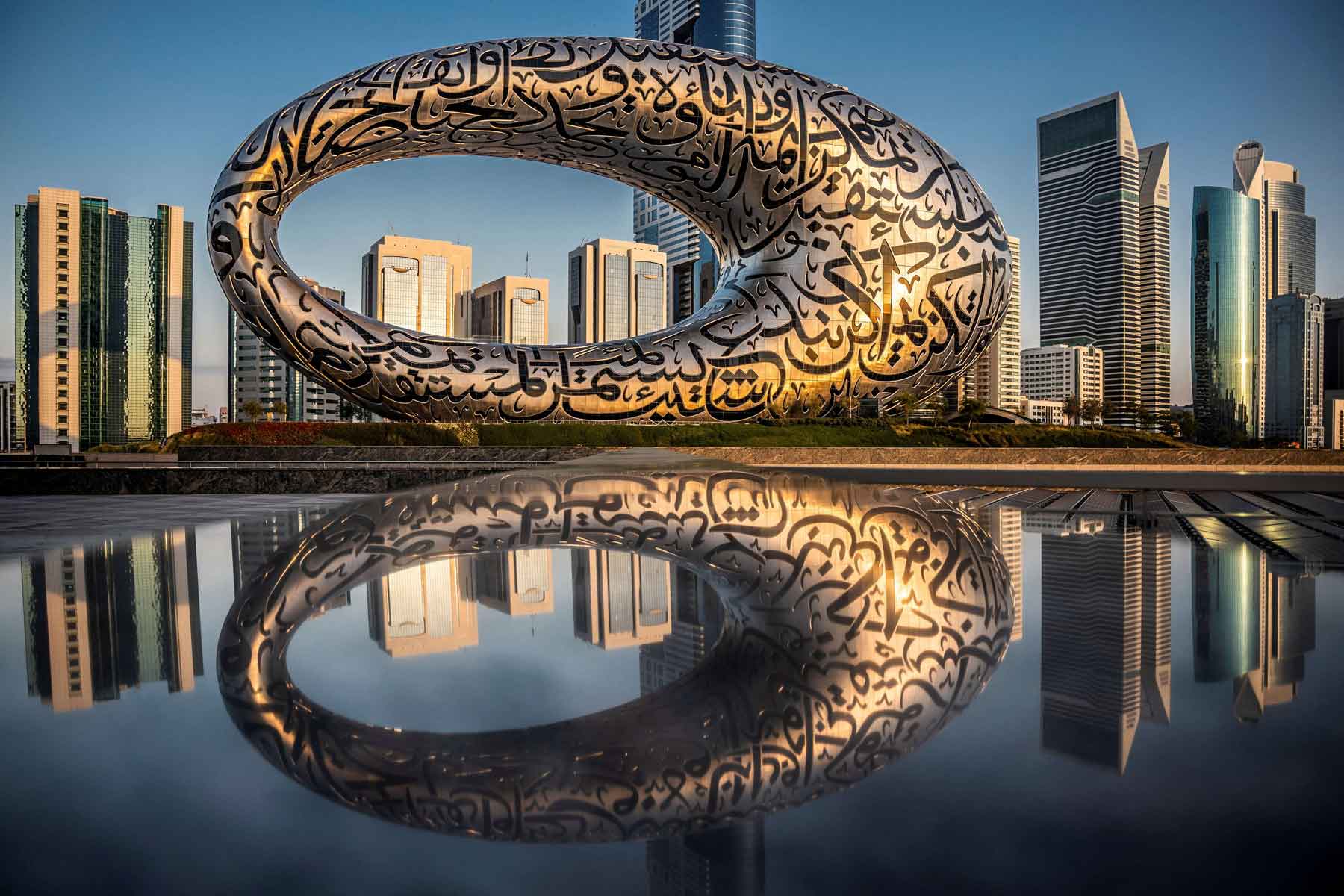
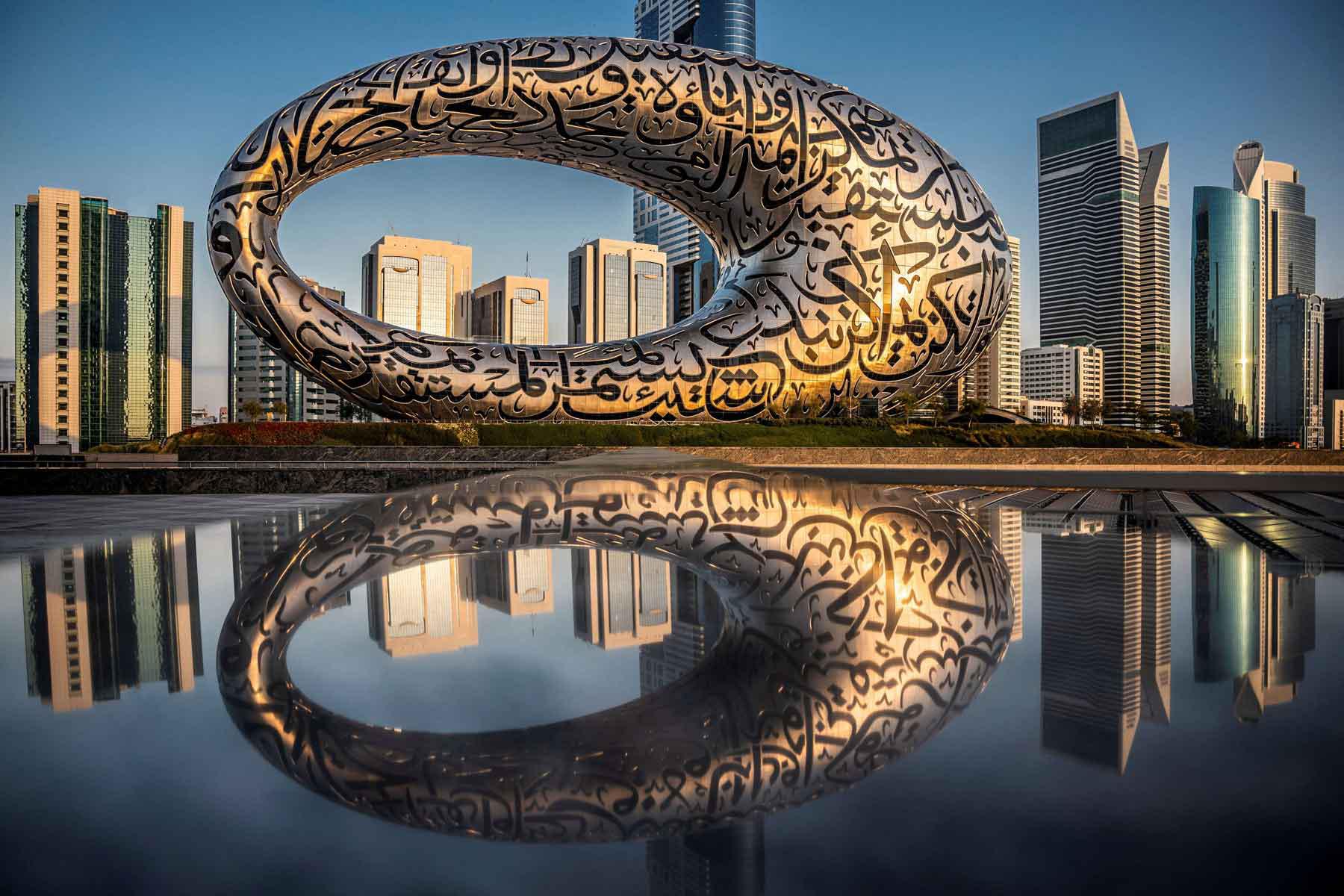
For us, Dubai was not merely a tourist destination, but a meeting point between shared memories and the new lives that have dispersed us across world capitals. We moved between the overtly touristic and the quietly local, from markets to beaches, from towering skyscrapers to lesser-known streets. Every place left its mark. Yet one building did more than impress: it provoked genuine intellectual curiosity. The Museum of the Future.
The structure alone was enough to arrest any passer-by: steel and glass woven into a form that seems to belong to another time entirely. Even the name itself feels like a deliberate challenge: the Museum of the Future. We are accustomed to museums as guardians of the past. Here, the logic is reversed. This is not a museum that declares “this was,” but one that asks, with quiet confidence, “what if?”
We left the visit until the final day of our stay, a familiar traveller’s mistake, perhaps, saving the most compelling experience for last. When we arrived, we learned that standard tickets (149 dirhams - $41) had sold out, leaving only “priority” tickets at 399 dirhams ($108.6). The familiar mental conflict followed: financial caution versus cultural curiosity. Given that it was our last day, and that my friend visiting from the United States shared my belief that opportunities should not be postponed, we bought the tickets.
The tour began on the fifth floor, with an exhibition imagining human life in outer space aboard a space station. From there, we moved to a vision of Dubai on February 22, 2071. The date was carefully chosen: a fusion of the museum’s opening day (February 22) and the centenary of the UAE’s founding in 1971. Even in its use of time, the message was clear: the future is planned, not improvised.
What I saw made me smile at first, then pause in disbelief. Greener cities, intelligent living systems and technological details edging into science fiction. But what captured my attention most, and perhaps what I believed least, was the concept of flying cars. In that moment, I thought: this is elegant, imaginative … and distinctly cinematic. More Hollywood than reality.
I left the museum viewing what I had seen as distant possibilities: scenarios that might unfold decades from now, if at all. It did not occur to me that parts of this imagined future would surface so quickly in the present.
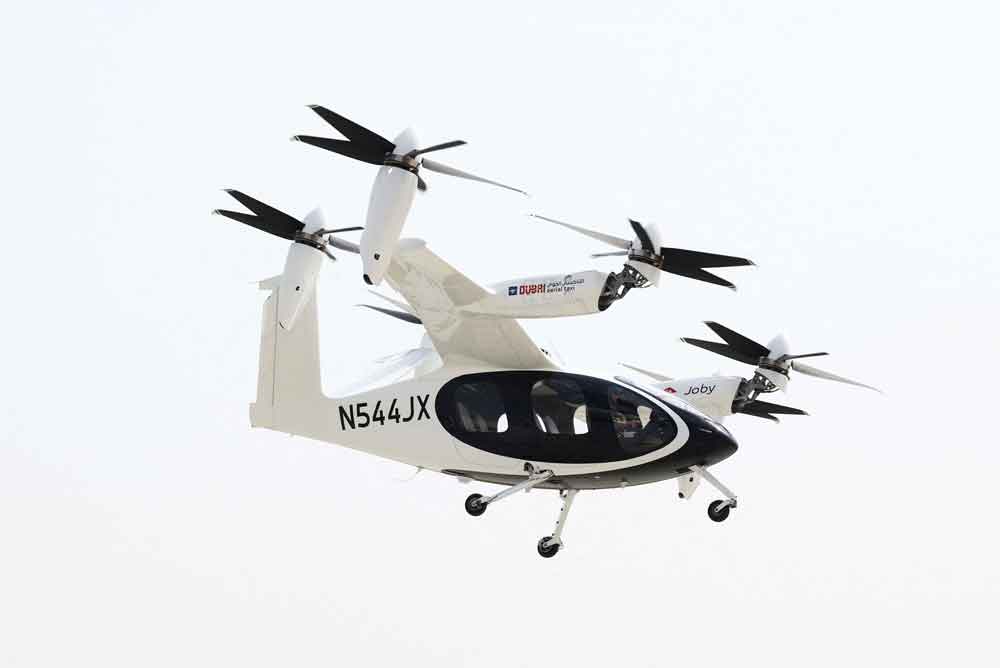
Then came the headline that pulled me straight back to that visit: “Farewell to traffic jams … Dubai takes flight into the future with air taxis.” I stopped and read it again. Air taxis? Now? Not in 2071? The irony was impossible to miss.
What I had encountered in the museum as a long-term projection was beginning to take shape as a tangible project. The conversation had shifted from “what if” to “when.” Once again, Dubai appeared ahead of its time, or perhaps, this time, simply above it. Traffic congestion, accepted by most cities as an unavoidable urban condition, was being reconsidered from the air, quite literally.
Analytically, this is about far more than transport. The air taxi reflects a broader urban philosophy: a move from horizontal sprawl to vertical thinking, from losing time on roads to reclaiming it in the sky. Socially, and perhaps with a hint of irony, I imagined telling friends in London: “I’m late because traffic was heavy … in the skies.”
The novelty lies not in the idea itself, but in the pace at which it is unfolding. These are no longer distant visions displayed behind museum glass, but projects being announced, tested and prepared for reality. The irony is that I, who do not expect to be around on February 22, 2071 to experience flying cars, may well find myself encountering an early version far sooner than anticipated.
Between my visit to the Museum of the Future and reading about air taxis, I came to a simple conclusion: Dubai does not treat the future as postponed time, but as ongoing work. Here, the future is not an exhibition; it is an agenda. Perhaps that is why, when you step into this city, time feels different: faster, bolder and far less constrained by the phrase “not yet.”
My journey began as an escape from a cold winter. It ended with a different kind of warmth: the realisation that some cities do not wait for the future; they rise to meet it in the sky.