


Nicolas Lerner, the head of France's DGSE
Head of France’s DGSE warns Islamist terrorist threat still high
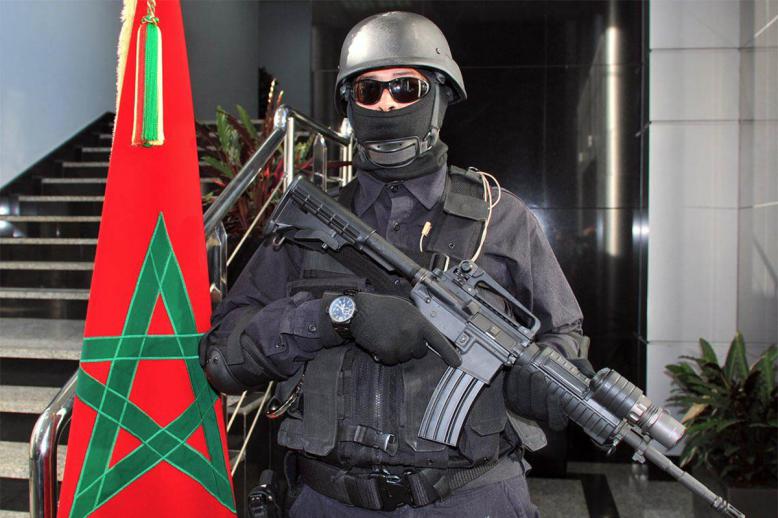
Lerner praises Morocco’s “highly effective” security services for being valuable partners in the fight against terrorism.
Thursday 13/11/2025
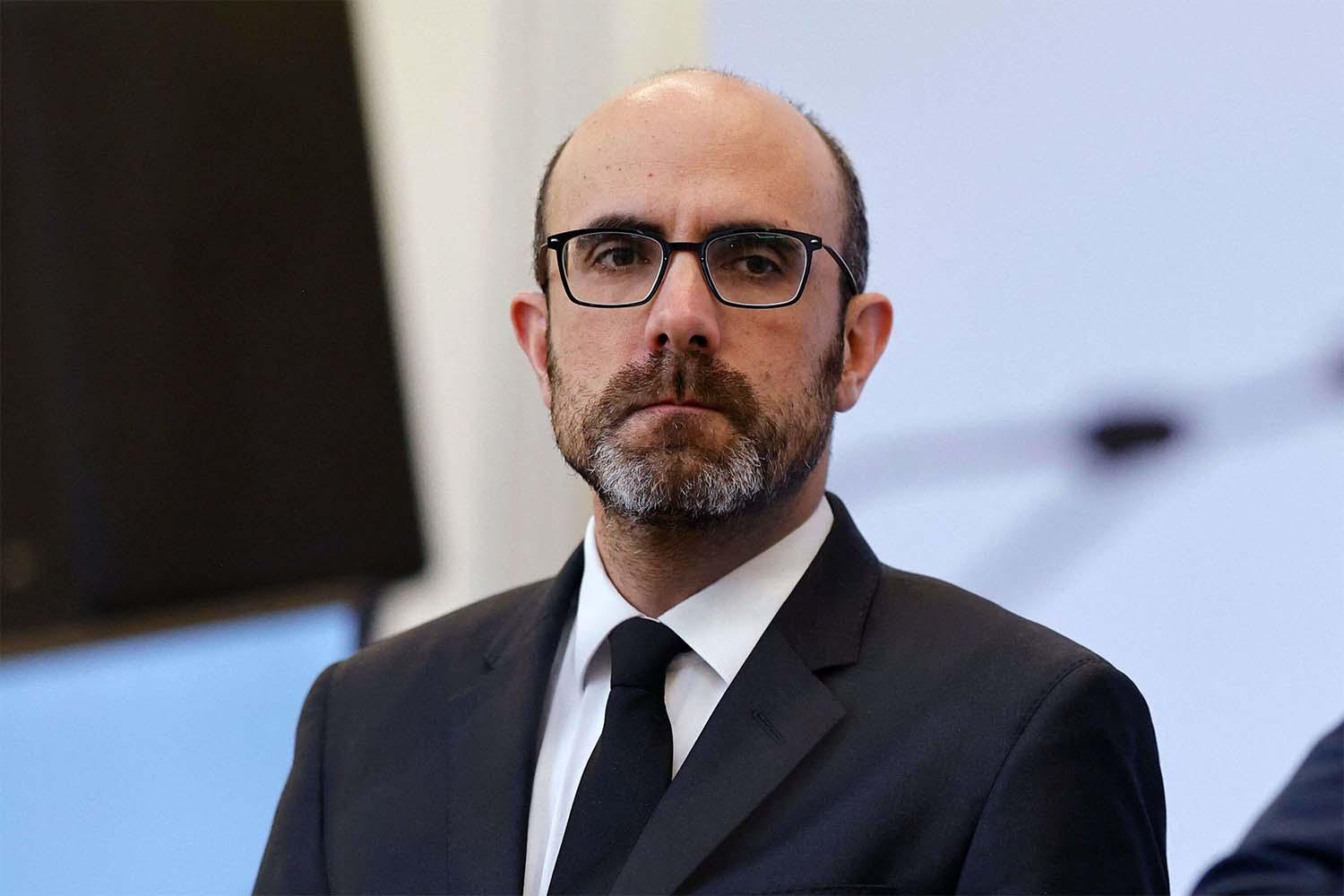
Nicolas Lerner, the head of France's DGSE
RABAT - The head of France's DGSE (General Directorate for External Security), Nicolas Lerner, described the Islamist terrorist threat as still very high but undergoing significant mutation.
In an interview with Le Figaro published on Wednesday, Lerner emphasized that the threat evolves in cycles, with terrorist groups trying to establish territorial footholds outside France to export jihadist threats.
Lerner warned about the ongoing risk of new forms of Islamist terrorism, especially from groups active in Afghanistan, whose networks extend into Europe and Central Asia.
“Today, three theaters particularly hold our attention: Syria, the Afghano-Pakistani zone, and the African theater. These are three areas where everything must be put in place to prevent terrorist groups from settling down and creating territorial sanctuaries that would allow them to project new commandos toward France,” Lerner told Le Figaro.
The head of the DGSE said that the risk of a projected threat having decreased, the threat is now mostly endogenous and manifests itself in two components: an "activated" threat, primarily carried in the last two years by the Islamic State in Khorasan (ISKP), responsible for example for the Crocus City Hall attack in Moscow in March 2024; and a so-called "inspired" threat, which involves individuals with no direct contact with the region but who absorb Islamist propaganda.
“It is they who now represent the main component of the threat, including individuals radicalized long ago, convinced that violent action is the ultimate consecration of their religious commitment, but also younger profiles, more fragile or alienated from our society,” he said.
Lerner noted a weakening of central jihadi organizations like IS and Al-Qaeda but highlighted the rising autonomy of local franchises.
On the Sahel region, Lerner said the withdrawal of French troops has increased terrorist risks in Mali, Burkina Faso, and Niger, with jihadist groups gaining strength and destabilizing states. Yet, these groups do not currently threaten French territory directly, though the DGSE is vigilant about potential developments.
Lerner mentioned another African phenomenon which is drawing their attention: the departure of French-speaking Maghreb jihadists to join terrorist organizations on the continent, particularly in Somalia, where a few dozen jihadists from the Maghreb are fighting alongside Al-Shabab, affiliated with Al-Qaeda.
He praised Morocco’s security services for being important partners in the fight against terrorism.
Lerner praises “highly effective” Morocco’s security services for being valuable partners in the fight against terrorism.
“We are vigilant in monitoring these movements alongside our partners on the continent, notably the Moroccan services, who are highly effective, valuable, and essential partners in the fight against terrorism,” said the head of the DGSE.
Lerner also pointed to younger generations increasingly drawn to jihadist ideology, posing concerns for future radicalization, underscoring the importance of constant vigilance and intelligence cooperation to prevent new attacks in France and abroad.