

A deliberate political decision to continue the war to its end
Sudan’s army chief squanders national resources in pursuit of victory
The deal highlights Burhan’s prioritisation of a “military solution” over negotiation, as he appears determined to achieve victory rather than returning to inclusive talks.
Friday 09/01/2026
A deliberate political decision to continue the war to its end
ABU DHABI/ISLAMABAD –
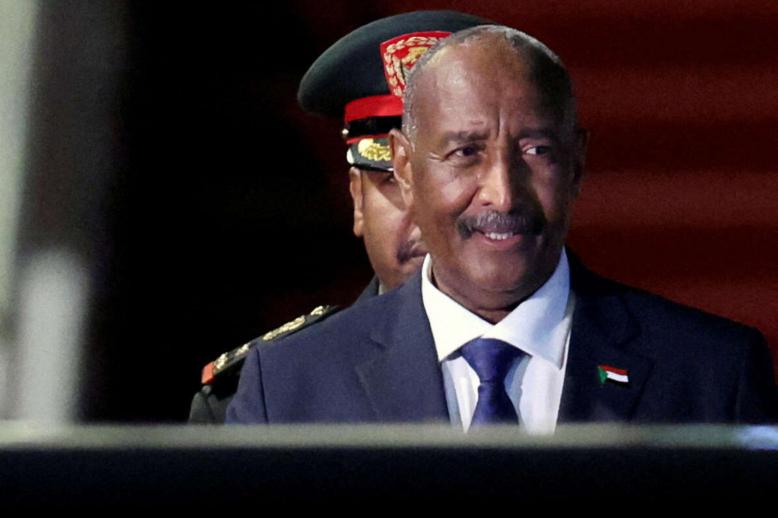
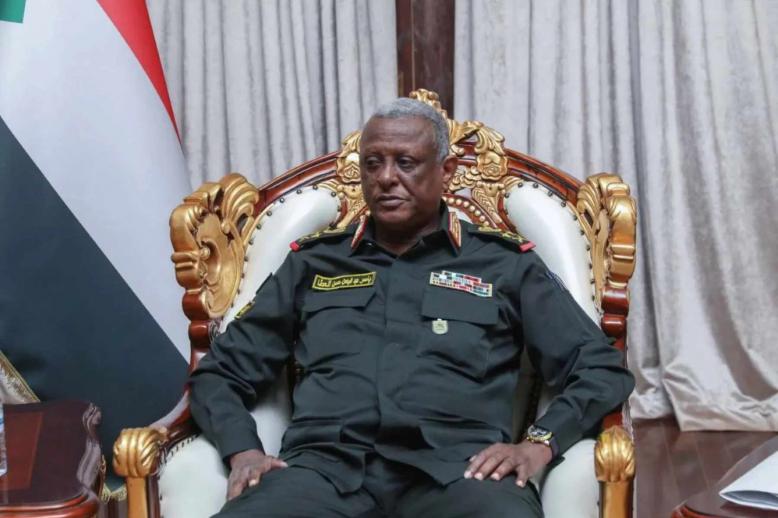
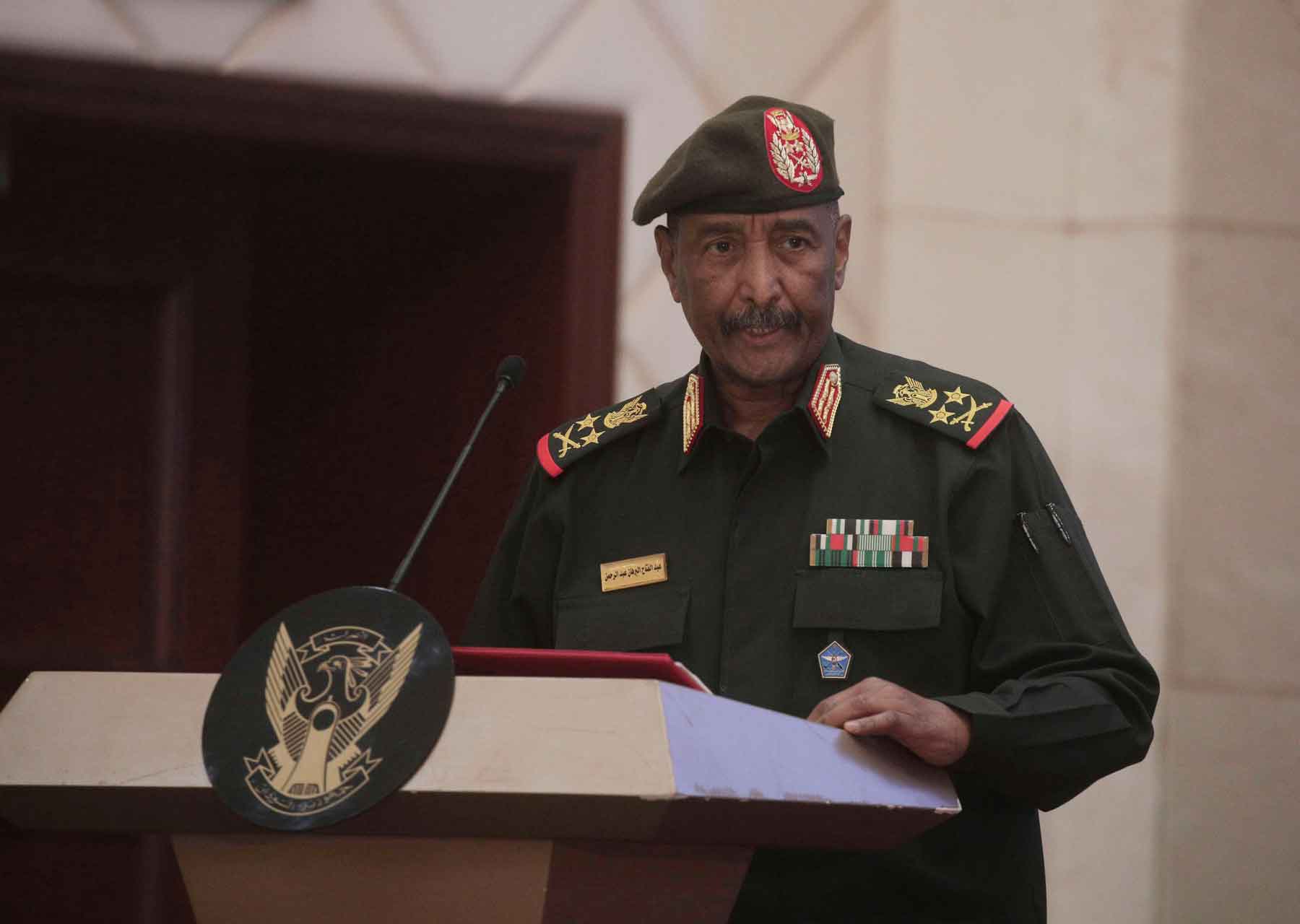
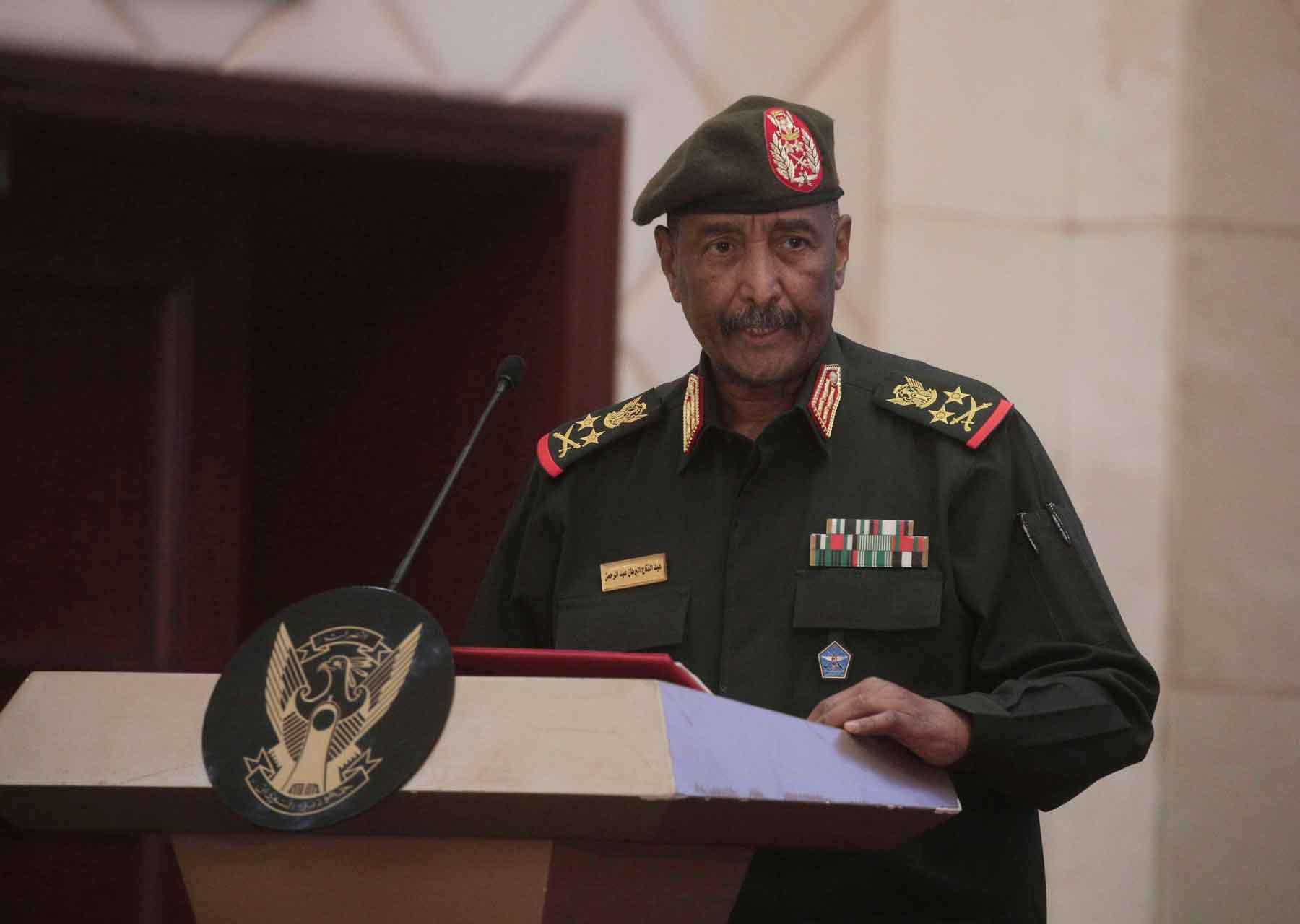
Pakistan is set to supply the Sudanese army with weapons and aircraft in a massive $1.5 billion deal, signalling a sharp escalation in the country’s ongoing civil war and raising concerns over the prospects for peace. The agreement provides further evidence of Transitional Sovereignty Council leader and army chief General Abdel Fattah al-Burhan’s strategy to consolidate military advantage against the Rapid Support Forces (RSF), despite sustained international and UN efforts to broker an immediate ceasefire in what has become one of the world’s most severe humanitarian crises.
The deal highlights Burhan’s prioritisation of a “military solution” over negotiation, as he appears determined to achieve victory on the battlefield rather than returning to inclusive talks. It also marks a significant pivot towards the Eastern-Asian camp, with Pakistan, and implicitly China, serving as suppliers, bypassing Western pressure from the United States and Europe, which links military support to an end to hostilities and a return to civilian governance.
Rather than approaching the negotiating table as an equal party, the Sudanese army under Burhan seeks to impose what critics describe as “impossible conditions,” foremost among them the complete disbandment of the RSF. In line with this approach, the general has rejected several international initiatives, including the so-called Quad peace plan and long-term truce proposals, dismissing them as attempts to “freeze the conflict” rather than resolve it. Meanwhile, the RSF has repeatedly signalled its willingness to engage in a fair and comprehensive settlement process.
According to informed sources, the deal includes ten Karakoram-8 light attack aircraft, over 200 reconnaissance and attack drones, and advanced air-defence systems. Retired Pakistani Air Marshal Aamir Masood confirmed that the agreement is “practically finalised,” noting that it also covers Super Mushshak trainer aircraft and could include JF-17 fighter jets, jointly developed by Pakistan and China.
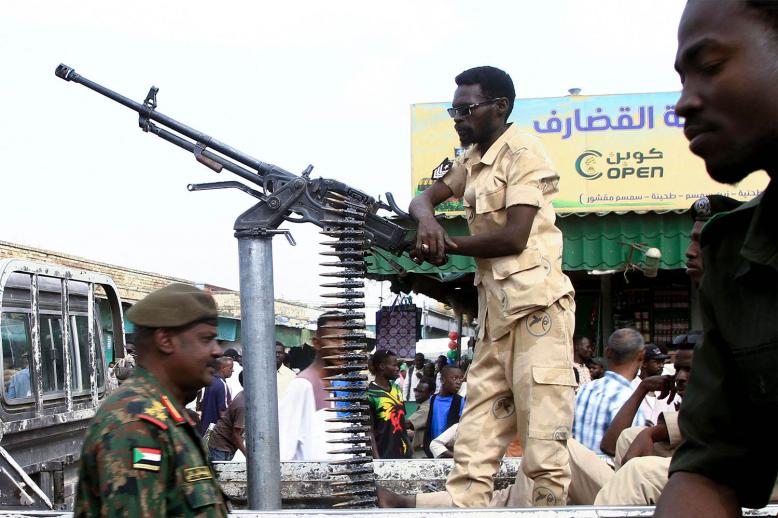
The acquisition of drones and combat aircraft is expected to help the Sudanese army regain air superiority, which it has gradually lost to the RSF’s increasingly effective drone operations, enabling the paramilitary force to control strategically important areas.
Valued at $1.5 billion, the deal equals budgets that could have rebuilt Sudan’s collapsed public services, signalling that the Port Sudan-based authority has fully embraced a “war economy.” Resources, including gold, are being diverted to secure a military arsenal capable of sustaining the conflict for years.
Burhan’s diversification of weapon suppliers and partners also serves to insulate his leadership from potential international sanctions. With the army’s conventional air power diminished by ground-based defences and suicide drones, the Pakistani drones and HQ-6/HQ-9 air-defence systems are seen as critical tools for restoring balance and protecting Port Sudan, the so-called “alternative capital.”
Ultimately, this is not merely a procurement of military hardware but a deliberate political decision to continue the war to its end. Burhan is betting on “hard power” to settle the conflict, even at the cost of prolonging the humanitarian catastrophe, which has already displaced millions of civilians and left Sudan facing the world’s most severe ongoing crisis.