

At least 600 people were killed in the protests
Panahi calls for global support of 'defenceless' Iranian protesters
The award-winning Iranian filmmaker denounces the brutality of the Iranian regime’s crackdown on protesters.
Tuesday 13/01/2026
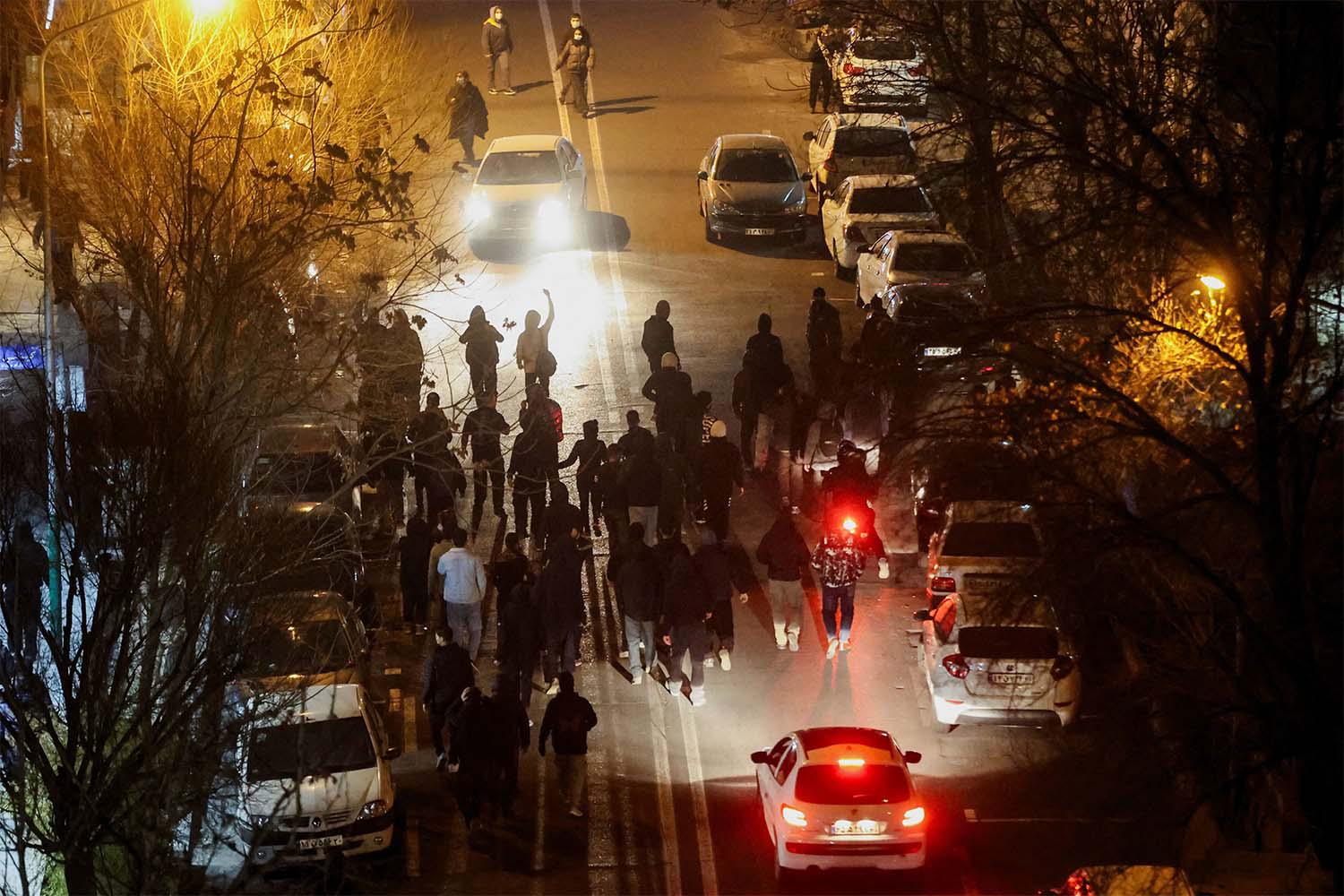
At least 600 people were killed in the protests
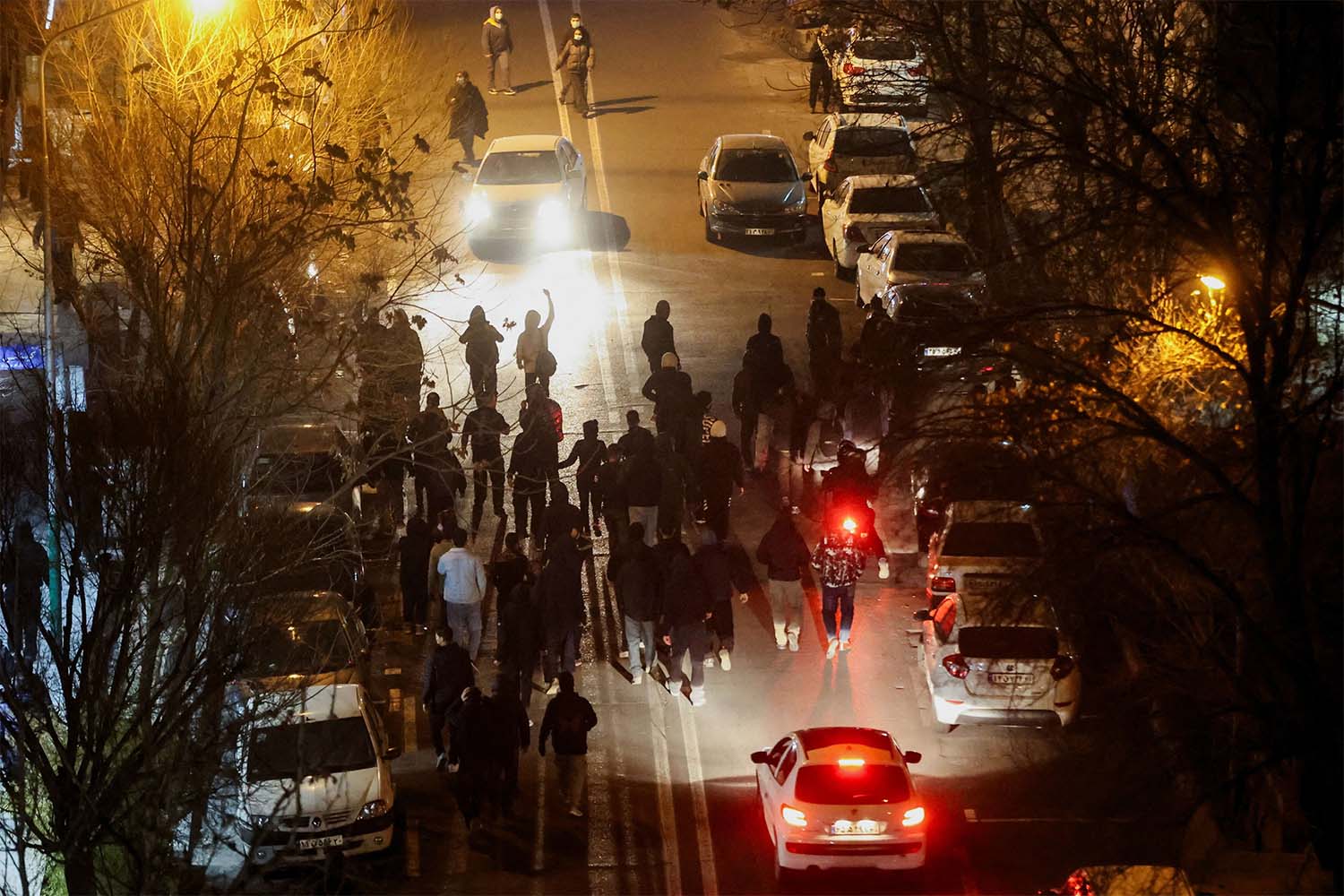
PARIS – Award-winning Iranian filmmaker Jafar Panahi has emerged as one of the most prominent voices condemning the Iranian regime's escalating repression amid nationwide protests that began in late December 2025.
Panahi told broadcaster France Inter on Monday that "the Iranian people are defenceless today, and despite all that, they are out on the streets."
"When a regime ... uses weapons of war against its own people, that is to say, to cause bloodshed, it is not just to make people go home, which is why the people need the international community to help and support them," he said.
Panahi denounced the brutality of the crackdown, which has left at least 600 people dead, according to monitors.
In a joint statement released on Saturday, alongside exiled director Mohammad Rasoulof, Panahi described the government's imposition of a near-total internet blackout as a "blatant tool of repression" designed to conceal violence against demonstrators and isolate citizens from the outside world.
“In recent days, following the presence of millions of Iranians in the streets protesting against the Islamic Republic, the government has once again resorted to its most blatant tools of repression... Experience has shown that resorting to such measures is intended to conceal the violence inflicted during the suppression of protests,” the filmmakers stated.
They emphasized that ordinary citizens have been left defenceless under these conditions, expressing deep concern for the lives of their fellow Iranians, families, colleagues, and friends. The statement explicitly called on the international community, human rights organizations, and independent media to act urgently:
“We call on the international community, human rights organizations, and the independent media to immediately find ways to facilitate access to vital information in Iran by enabling communication platforms, and monitor what is happening in Iran.”
This plea aligns with reports from human rights groups documenting a deadly crackdown since the protests erupted over economic collapse, soaring inflation, and widespread discontent. Security forces have reportedly used live ammunition, resulting in dozens of deaths (including children), hundreds of injuries, and thousands of arbitrary arrests.
The internet and telecommunications blackout, imposed around January 8, has severely limited communication and made it difficult to verify the full scale of the violence.
Panahi, who was sentenced in absentia to one year in prison in December 2025 for "propaganda activities against the regime," has been promoting his film internationally while reiterating his intention to return to Iran despite the risks.
In recent interviews, he has described the regime as having "entirely lost its legitimacy" and warned of a potential "massacre" if global attention falters.
His words echo a broader outpouring of solidarity from the Iranian diaspora and cultural figures, including actor Golshifteh Farahani, who have amplified calls for the world to monitor and support those inside Iran facing repression.
The protests represent one of the largest challenges to the Islamic Republic since the 2022 Woman, Life, Freedom uprising, fueled by economic hardship and long-standing grievances. While the regime accuses foreign powers of instigating the unrest, Panahi and others insist the movement stems from internal despair and demands for freedom.