

Banned in several Arab states
US Brotherhood listing triggers political fallout, draws legal challenges
Analysts say the US move could deepen divisions across the region and complicate relations with countries where Brotherhood-linked movements retain political or social influence.
Wednesday 14/01/2026
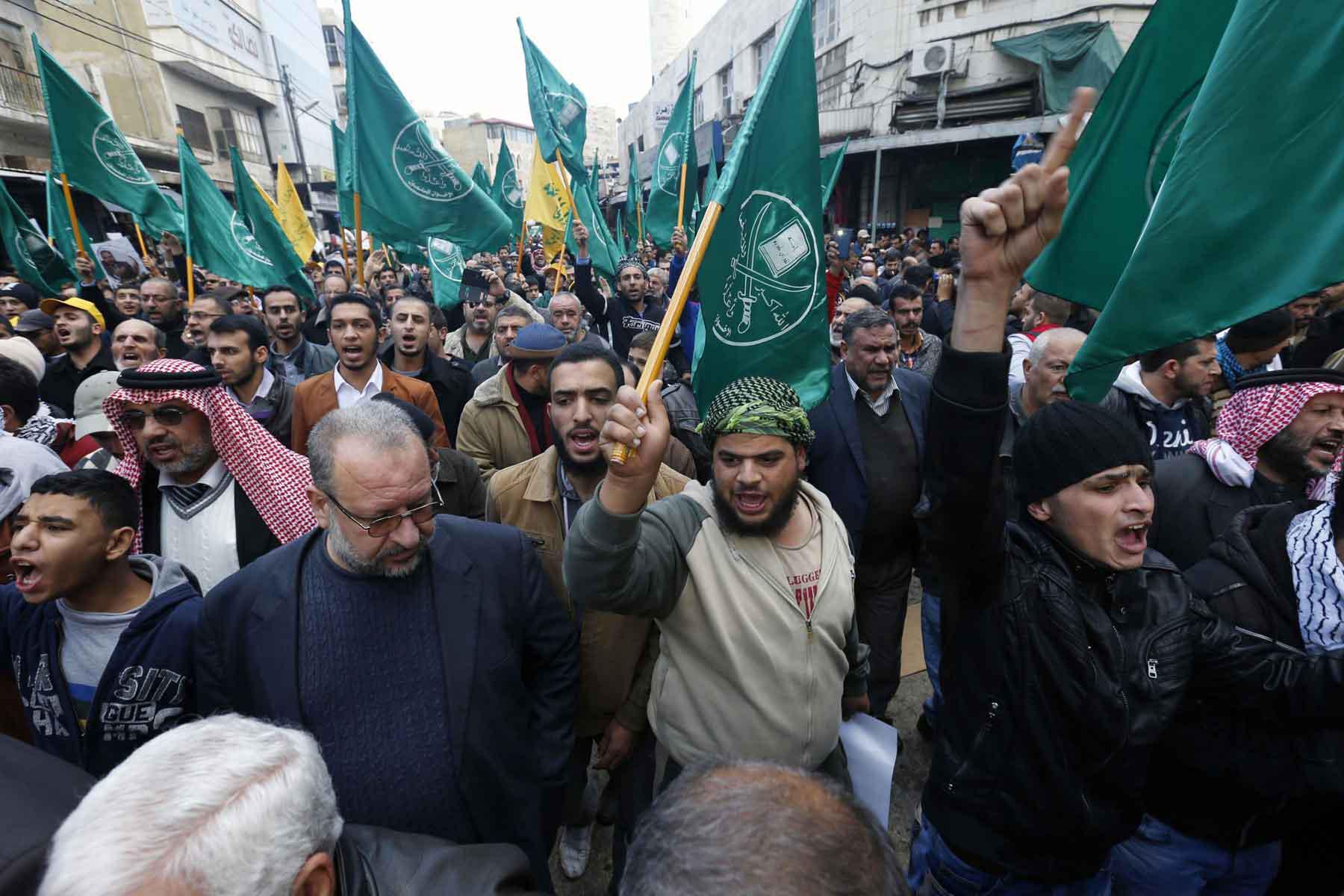
Banned in several Arab states
WASHINGTON –
The United States has formally designated branches of the Muslim Brotherhood in Egypt, Jordan and Lebanon as foreign terrorist organisations, a move expected to trigger political fallout and legal challenges while drawing praise from governments hostile to Islamist movements, including the United Arab Emirates.
The decision, announced by the US State Department on Tuesday, places the three organisations on Washington’s lists of both Foreign Terrorist Organisations and Specially Designated Global Terrorists, opening the door to sweeping financial sanctions and asset freezes.
US Secretary of State Marco Rubio said the designation was made under Executive Order 14362, signed by President Donald Trump, following a review launched last November into the activities of the three Brotherhood-linked groups.
"These designations reflect the opening actions of an ongoing, sustained effort to thwart Muslim Brotherhood chapters' violence and destabilisation wherever it occurs," Rubio said, describing the move as part of broader efforts to curb extremist violence and disrupt financial networks linked to radical groups.
Arab reactions
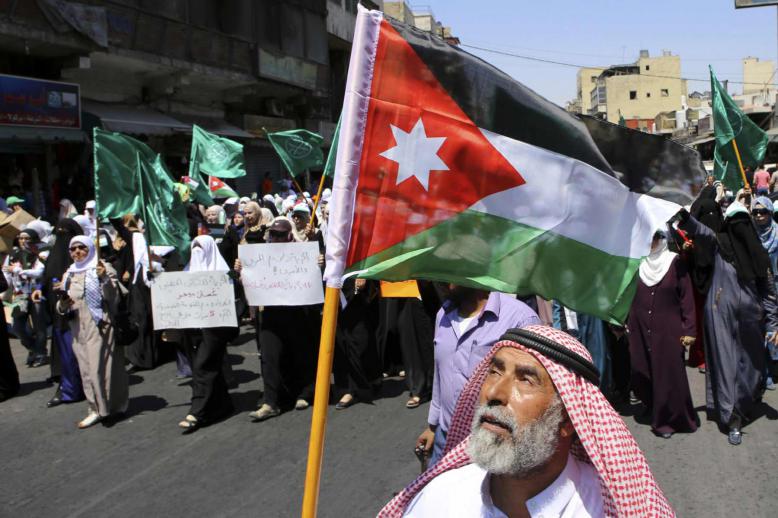
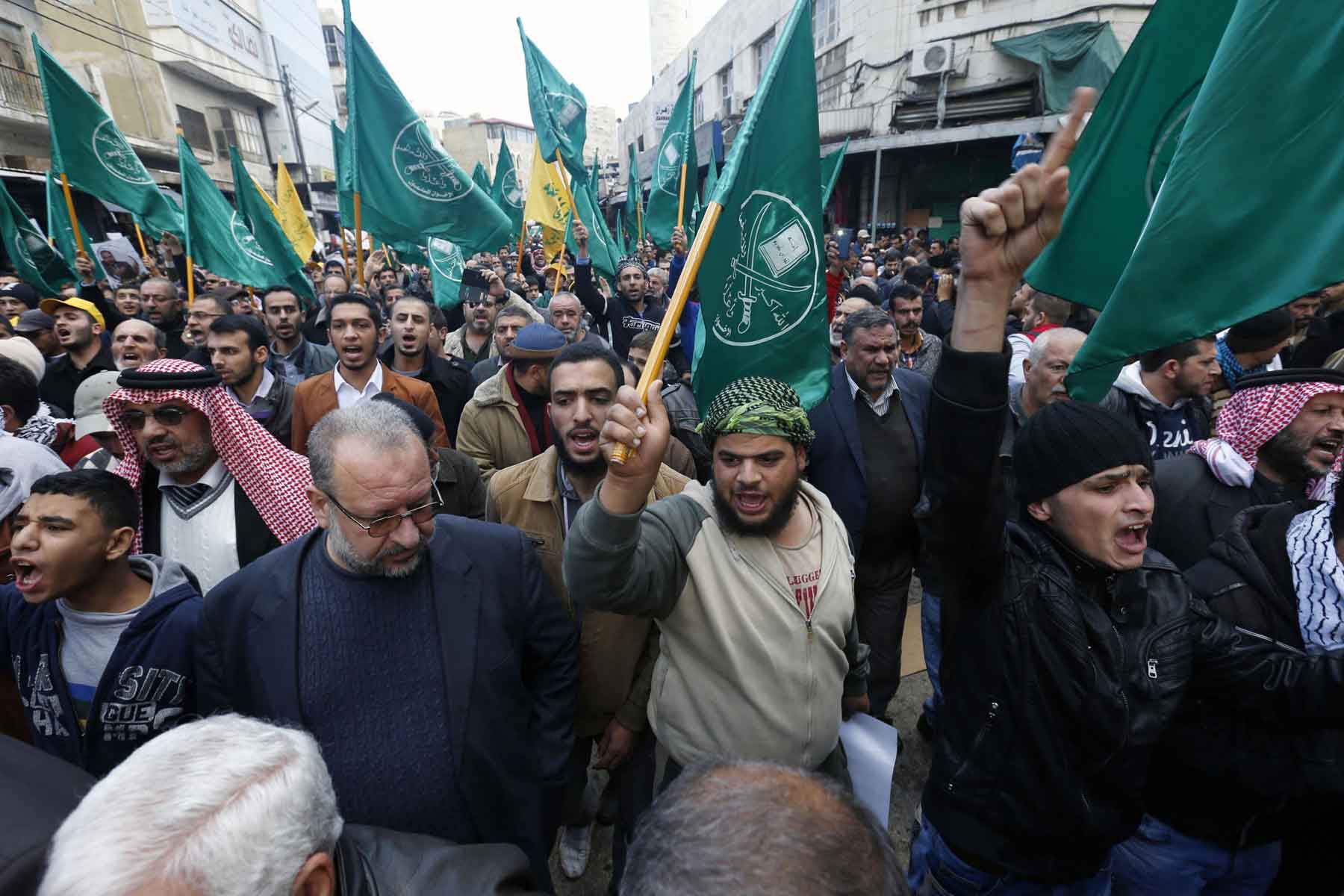
The announcement was welcomed by Egypt and Jordan, both of which have already outlawed the Brotherhood domestically, while the group itself rejected the US decision and vowed to challenge it through legal channels.
Egypt’s foreign ministry described the US move as a “turning point,” praising Washington’s stance as fully-aligned with Cairo’s long-standing position on the Brotherhood.
“Egypt classified the Muslim Brotherhood as a terrorist organisation based on its involvement in violence, extremism and incitement,” the ministry said, adding that the designation reinforced international cooperation against terrorism.
Founded in Egypt in 1928, the Muslim Brotherhood operates across dozens of countries under its own name or affiliated entities. The group has been banned in several Arab states, including Egypt, where it was designated a terrorist organisation in 2013 following the overthrow of former president Mohamed Morsi.
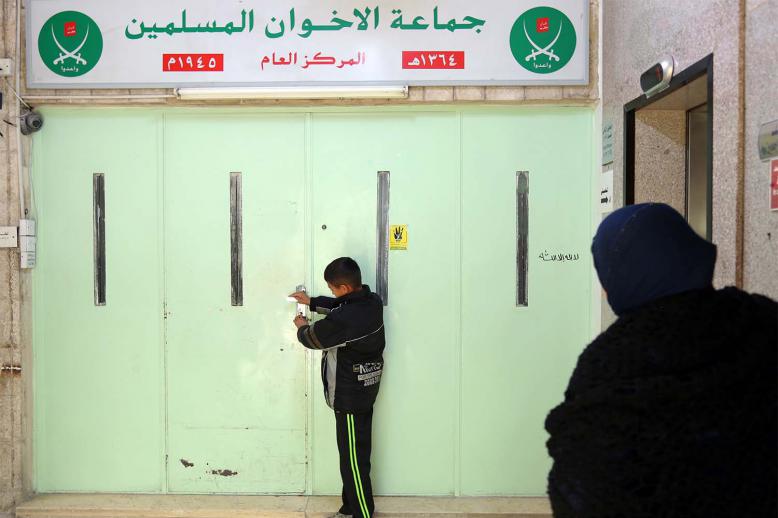
In Jordan, government spokesman Mohammad al-Momani said the Brotherhood had effectively ceased to exist as a legal entity for years, noting that a 2020 court ruling ordered its dissolution, followed by a full ban on its activities and closure of offices in April 2025.
“Jordan deals with such matters in accordance with the constitution, the law and the supreme interests of the state,” Momani said, confirming that Amman had taken note of the US designation.
The United Arab Emirates also welcomed the decision, describing it as part of a “systematic and sustained effort” by the Trump administration to confront extremist organisations.
In a statement issued late Wednesday, the UAE foreign ministry said the designation would deprive Brotherhood-linked groups of resources used to promote extremism, hatred and violence, reaffirming Abu Dhabi’s support for international initiatives to counter terrorism and ensure regional stability.
Brotherhood rejects designation
The Muslim Brotherhood’s Egyptian branch operating from outside the country rejected the US decision, calling it politically motivated and legally unfounded.
In a statement, the group said the designation “lacks any credible legal basis” and pledged to pursue all available legal avenues to challenge it. A source close to the organisation said a comprehensive response was being prepared.
In Lebanon, the Jamaa Islamiya, regarded as the Brotherhood’s local affiliate, also dismissed the designation, stressing that it carried no legal weight inside the country.
“The decision is a purely political and administrative American measure,” the group said, adding that only Lebanese courts and institutions had jurisdiction over such matters.
Wider implications
Analysts say the US move could deepen divisions across the region, reinforce pressure on Islamist groups operating abroad and complicate relations with countries where Brotherhood-linked movements retain political or social influence.
The designation is also expected to fuel legal battles in US and international courts, while further tightening scrutiny over funding networks and diaspora-linked organisations in Europe and North America.