


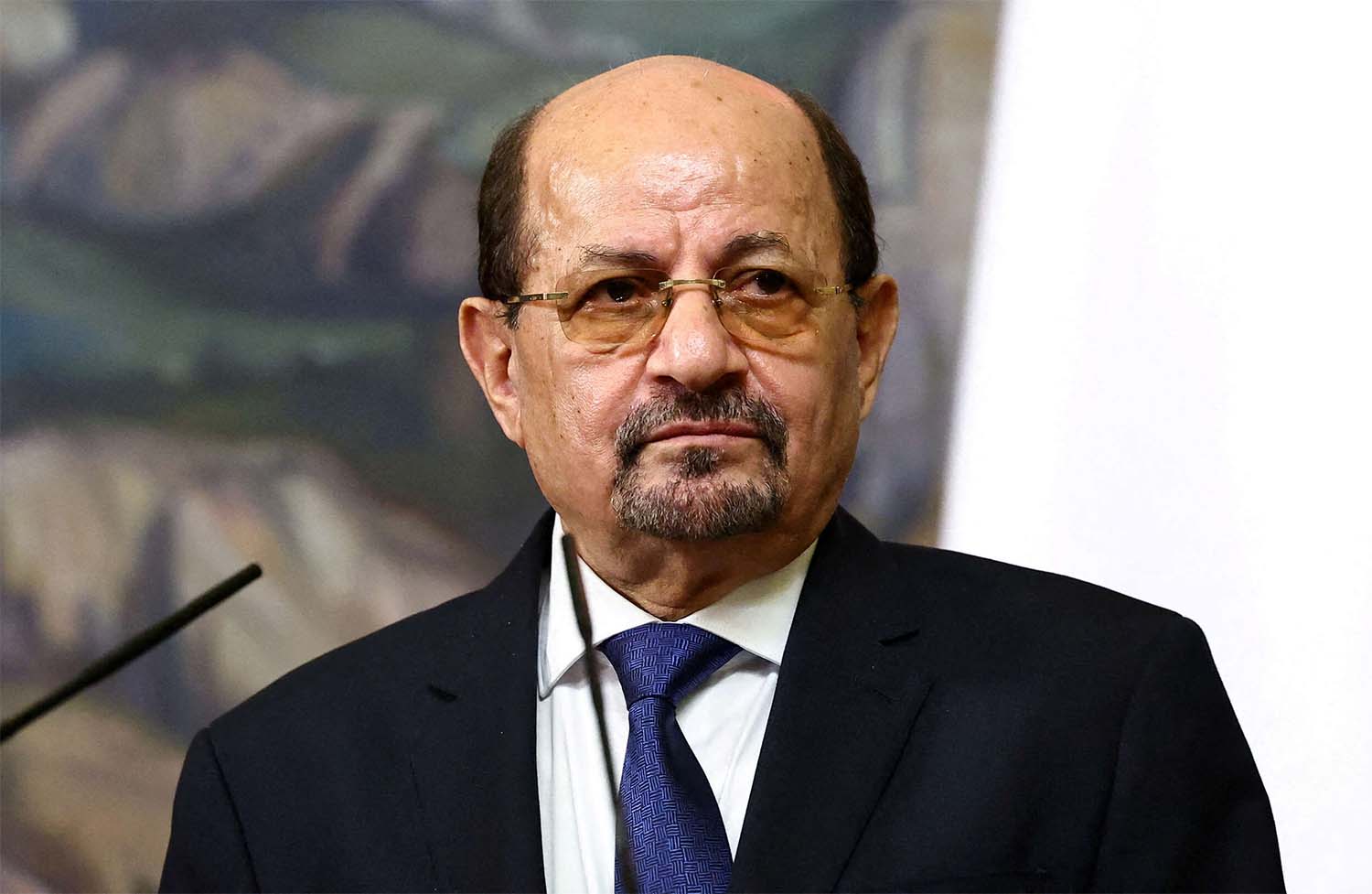
Shaya Mohsen Zindani, Yemen's newly appointed Prime Minister
Yemen's PM resigns, replaced by FM in key leadership shift
The Saudi-backed Presidential Leadership Council appoints Foreign Minister Shaya Mohsen Zindani as the new PM as the step appears part of broader political restructuring within the anti-Houthi coalition.
Friday 16/01/2026
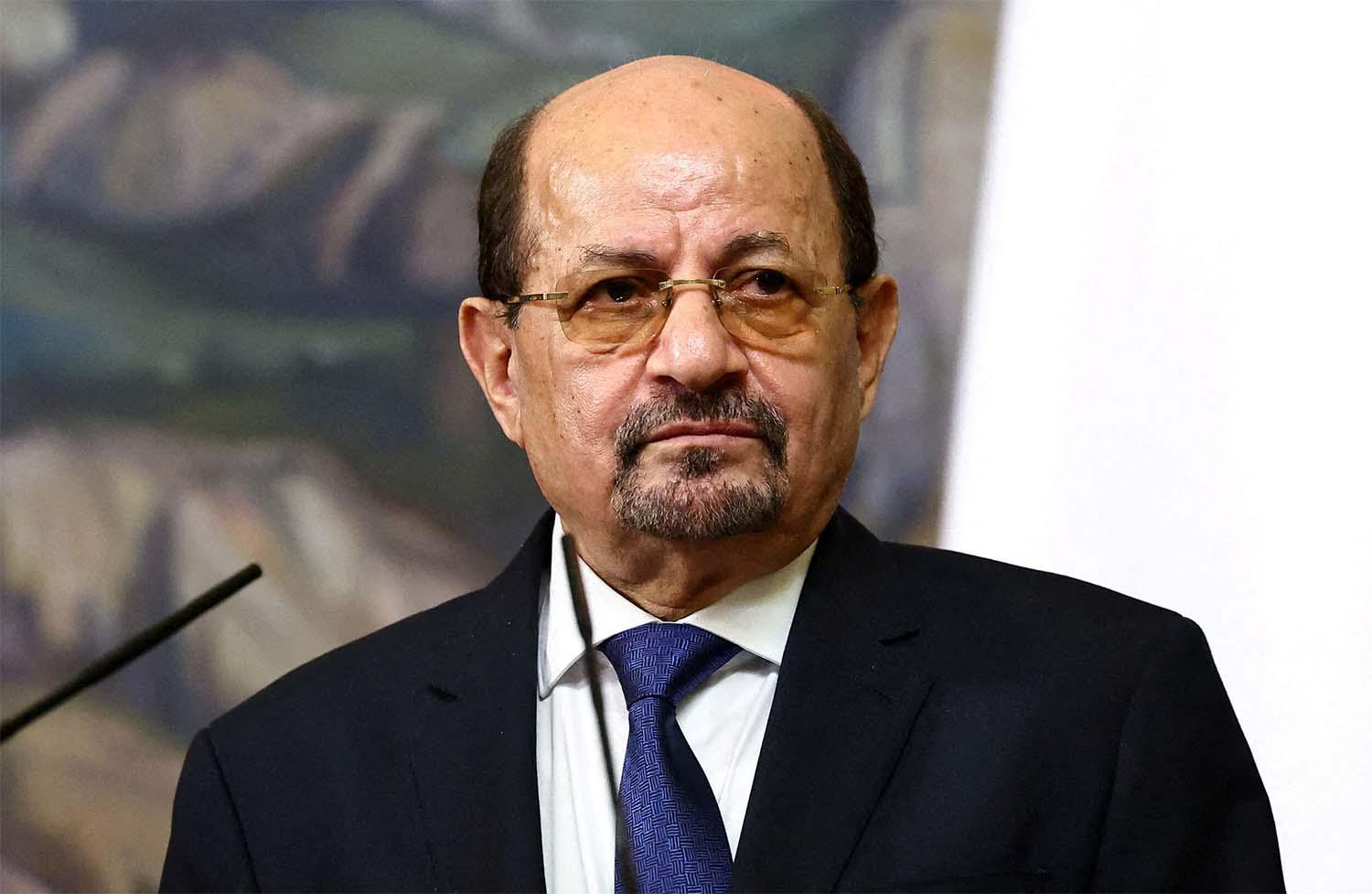
Shaya Mohsen Zindani, Yemen's newly appointed Prime Minister
ADEN - Yemen’s Prime Minister Salim Saleh BinBuriek submitted his resignation, which was promptly accepted by the Saudi-backed Presidential Leadership Council (PLC), In a significant development for the country’s internationally recognized government.
The council, headed by Rashad al-Alimi, has appointed Foreign Minister Shaya Mohsen Zindani as the new Prime Minister.
The announcement came Thursday, according to Yemen's state news agency Saba and multiple international reports.
BinBuriek formally tendered his resignation during a meeting with al-Alimi in Riyadh, Saudi Arabia, where the government and council are based amid Yemen's ongoing civil conflict.
BinBuriek's resignation was described as a move to "pave the way for the establishment of a new government to keep pace with the transformations recently experienced in the country."
The step appears part of broader political restructuring within the anti-Houthi coalition.
Following acceptance of the resignation, the PLC issued a decree tasking al-Zindani with forming a new cabinet. The previous government will continue its duties until the new one is established.
In a related move, BinBuriek was appointed as an economic and financial advisor to PLC Chairman Rashad al-Alimi.
Zindani, Yemen's former Foreign Minister, now assumes the premiership. A diplomat from al-Dhale’ governorate and considered a close loyalist of President al-Alimi, his appointment strengthens the influence of al-Alimi and aligns with Saudi Arabia's efforts to consolidate control over the presidential body and executive branch.
Zindani's background in foreign affairs positions him well to handle Yemen's complex international relations, including ongoing tensions with the Iran-backed Houthi rebels, Red Sea shipping disruptions, and relations with regional powers like Saudi Arabia and the UAE.