

Fragile security order
Iraq faces new security test as US moves ISIS detainees from Syria
Moving ISIS prisoners to Iraq can be read as a tactical redeployment designed to keep the file under tighter control in what Washington considers a more manageable security environment.
Thursday 22/01/2026
Fragile security order
DAMASCUS/WASHINGTON – The United States has begun transferring Islamic State detainees from north-east Syria to Iraq, a move that is raising far-reaching questions well beyond its immediate security rationale, touching on the future of US arrangements in Syria, the fate of the Syrian Democratic Forces (SDF) and the growing burden placed once again on Iraq in one of the region’s most sensitive files.
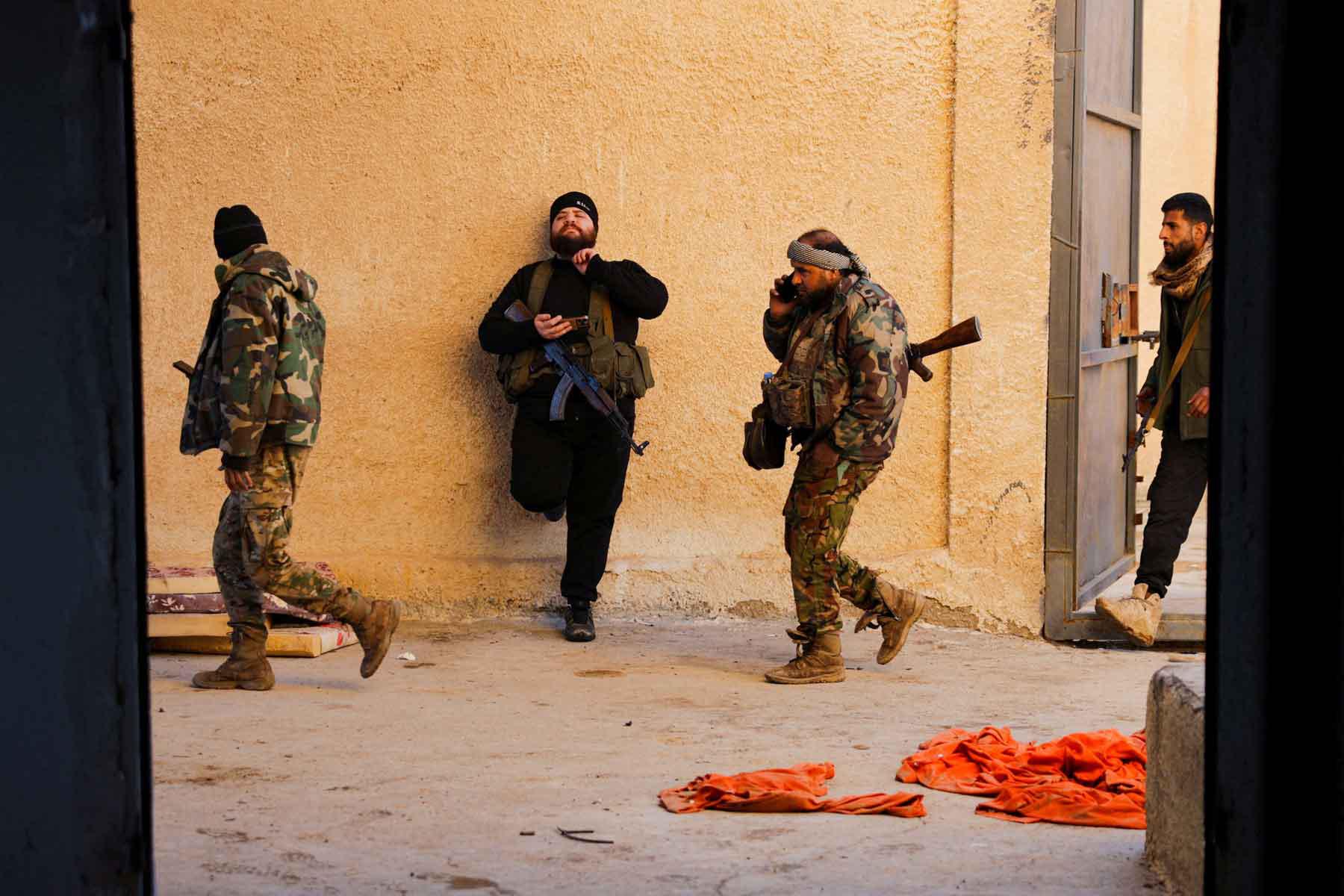
The US military said on Wednesday that its forces have transferred 150 Islamic State (ISIS) detainees from Syria to Iraq, announcing an effort that could eventually see 7,000 detainees moved out of Syria. The transfer comes after the rapid collapse of the Kurdish-led Syrian Democratic Forces in north-east Syria triggered uncertainty over the security of around a dozen prisons and detention camps they had been guarding.
In a statement, the US military said the United States was able to transport 150 ISIS fighters held at a detention facility in Hasakah, Syria, to a secure location in Iraq. Ultimately, up to 7,000 ISIS detainees could be transferred from Syria to Iraqi-controlled facilities, the statement added.
“We are closely coordinating with regional partners, including the Iraqi government, and we sincerely appreciate their role in ensuring the enduring defeat of ISIS,” said US Admiral Brad Cooper, the head of US forces in the Middle East.
Later on Monday, US Central Command said Cooper spoke with Syrian President Ahmed al-Sharaa, briefing him on the transfer of detainees and “expressing expectations for Syrian forces as well as all other forces to avoid any actions that could interfere.”
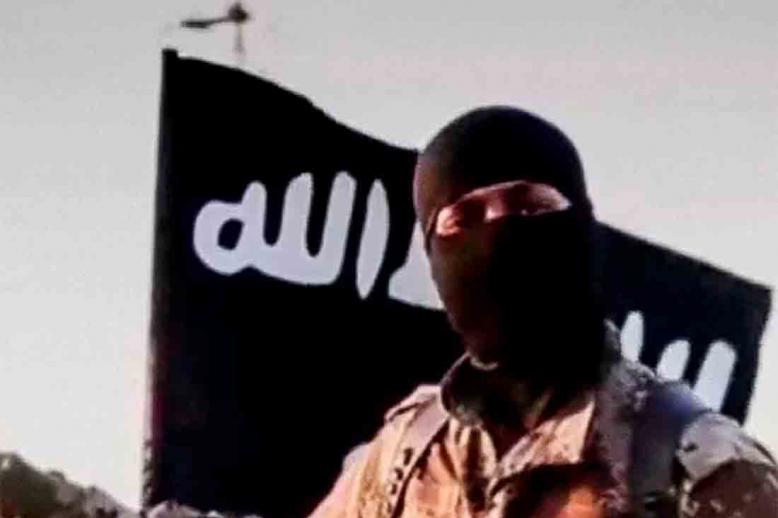
The move comes at a highly volatile regional moment, following the swift collapse of the SDF across large swathes of north-east Syria. That collapse has revived deep fears over the fate of nearly ten prisons and detention camps previously guarded by the Kurdish-led forces, holding more than 10,000 ISIS fighters as well as thousands of women and children linked to the group. The scenario has once again raised the spectre of an ISIS resurgence, or at least the reactivation of its networks, exploiting security vacuums and shifting balances of power.
For years, Washington relied heavily on the SDF as its local partner in managing the complex detainee file. Today, however, the battlefield retreat of Kurdish forces and their loss of control over some detention facilities appear to have pushed the United States into rapid action, aimed at preventing mass prison breaks or the capture of high-risk detainees by hostile actors. Moving prisoners to Iraq can be read as a tactical redeployment designed to keep the file under tighter control in what Washington considers a more manageable security environment.
Yet the step places Baghdad under renewed strain. Iraq, which has repeatedly declared the military defeat of Islamic State, continues to grapple with sleeper cells and fragile security conditions in parts of the country. The transfer of ISIS members, even under heavy guard, has triggered concerns that Iraqi territory could become an alternative hub for concentrating this sensitive file, with potential security repercussions and political fallout, particularly given the Iraqi public’s sensitivity to any foreign military activity tied to counterterrorism.
These anxieties deepen when the transfer is viewed in a broader context suggesting a possible gradual US disengagement from backing the SDF. The relocation of detainees may be interpreted as a sign of declining American confidence in the Kurdish forces’ ability to manage prisons and camps, or even as a prelude to a wider reordering of US priorities in Syria amid domestic and international pressure to scale back direct military involvement. If this assessment proves accurate, the SDF could face a difficult reckoning, losing one of its most important bargaining chips: control over the ISIS detainee file.
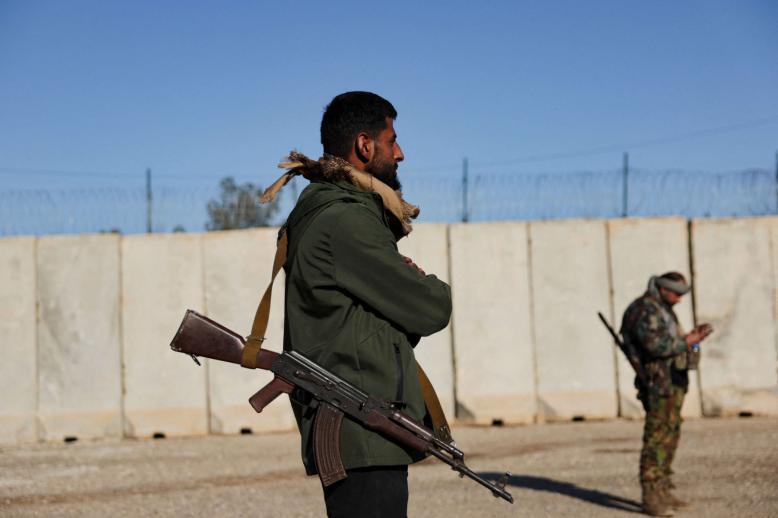
On the ground, the picture inside prisons and camps underscores the scale of the challenge. In Hasakah province alone, Ghwayran prison holds around 4,000 inmates, alongside Panorama prison and other detention centres in Qamishli and Malikiyah. Some facilities have already slipped out of SDF control and been handed over to the Syrian government, including Shaddadi prison and Al-Qattan prison prison in the Raqqa countryside.
The wider political and military shifts have been compounded by fresh developments. Syria on Tuesday announced a ceasefire with Kurdish forces from which it has seized swathes of territory in the north-east, giving them four days to agree on integration into the central state, a step their main ally, the United States, urged them to accept. The lightning government advances in recent days and the apparent withdrawal of US support for the SDF’s continued holding of territory mark the biggest change of control in the country since rebels ousted Bashar al-Assad 13 months ago.
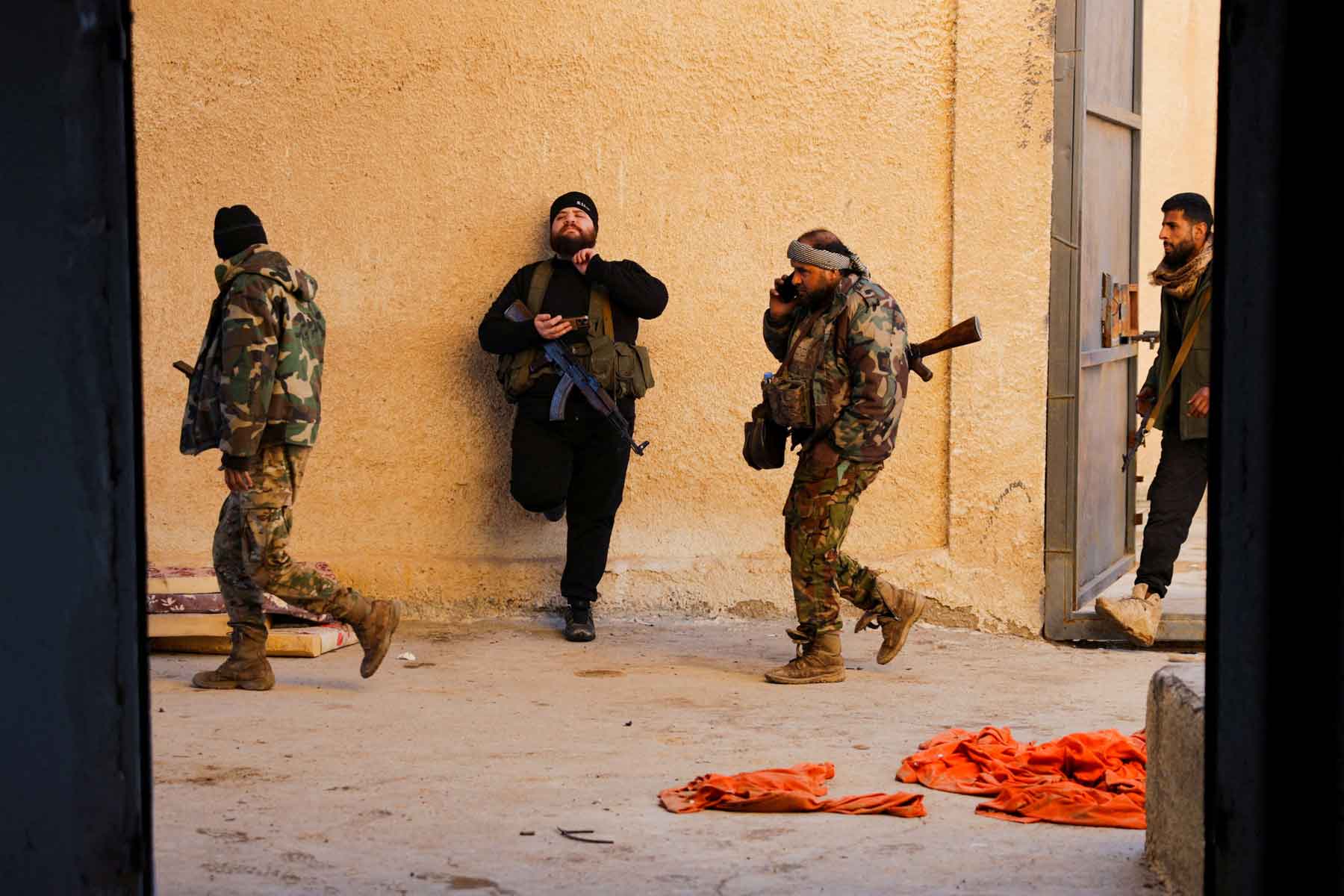
A US official said on Tuesday that about 200 low-level Islamic State fighters escaped Syria’s Shaddadi prison, although Syrian government forces later recaptured many of them. There are more than 10,000 Islamic State members and thousands more women and children with ties to the group being held in Syrian prisons.
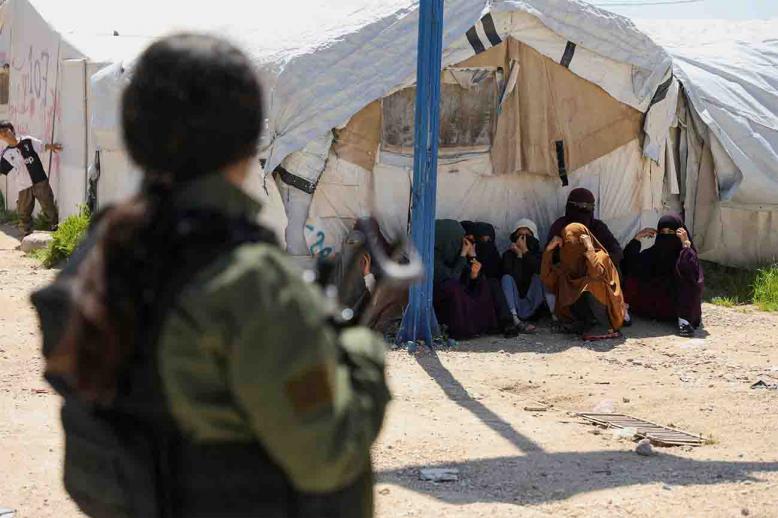
Damascus has confirmed the re-arrest of some escapees, describing them as “low-level” operatives, a characterisation that does little to ease fears and instead highlights the fragility of the security landscape. Meanwhile, the camps present an equally troubling picture. Al-Hol camp, which since 2024 has housed around 44,000 people, mostly women and children, remains shrouded in uncertainty.
With Kurdish forces withdrawing and government troops advancing, images of dozens of women and children pressing against the camp’s fences have fuelled fears of dangerous scenarios, including the regeneration of extremist ideology within closed, impoverished and neglected environments.
The transfer of Islamic State detainees from Syria to Iraq cannot be viewed as a purely technical measure. It reflects deeper shifts in the US approach to the Syrian file, raises pressing questions about Washington’s long-term commitment to the SDF, and places Iraq before yet another difficult test in its protracted struggle against terrorism. Between urgent security calculations and longer-term political consequences, a central question remains unresolved: does this move mark the beginning of a redrawing of the security map in north-east Syria, or is it merely an attempt to buy time while the regional picture continues to evolve?