

Demonstrating
Fears for security in Iraq as US begins transfer of ISIS detainees
Iraqis fear the unfolding developments in Syria, coupled with the relocation of ISIS detainees, could have dangerous repercussions inside Iraq.
Thursday 22/01/2026
Demonstrating
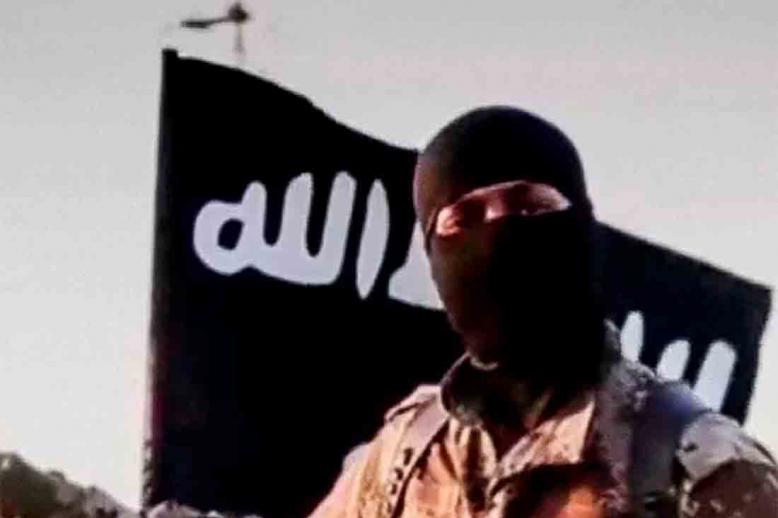
BAGHDAD – The decision of the United States to begin the transfer of thousands of detainees from the Islamic State (ISIS) group from north-east Syria into Iraqi territory has sparked a wave of domestic opposition in Iraq, particularly among Iran-aligned parliamentary blocs, amid warnings of grave consequences for national sovereignty and internal security.
The move has laid bare deep divisions within Iraq’s political landscape, as well as contrasting positions among the executive, judicial and legislative authorities over how to handle one of the country’s most sensitive security files.
Inside the Council of Representatives, the development prompted sharp criticism. Member of the Iran-aligned parliamentary Rights bloc, MP Miqdad al-Khafaji, described the US step as a “direct violation of Iraqi sovereignty,” warning of troubling security scenarios that could result from the transfer.
In remarks to the Iraqi Kurdish news outlet Shafaq News, Khafaji said that “anything can be expected from the United States,” accusing Washington of previously abandoning the Syrian Democratic Forces (SDF). He claimed that areas once under SDF control had fallen to Hayat Tahrir al-Sham with US and Turkish backing, despite what he described as the heavy bloodshed endured by SDF fighters in defence of their territories.
Khafaji argued that the unfolding developments in Syria, coupled with the relocation of ISIS detainees, could have dangerous repercussions inside Iraq. He said the coming phase required the highest levels of readiness, warning of potential arms smuggling and the movement of militants across porous borders. He called on the Iraqi government, the public, security forces, the Popular Mobilisation Forces, armed resistance factions and the Kurdistan Region’s Peshmerga to prepare for what he described as a critical period ahead.
In a direct challenge to official assertions that Iraq exercises full sovereignty over its territory, Khafaji said the reported decision by US command to move up to 7,000 ISIS detainees from Syria into Iraq contradicted such claims.
“The Americans still maintain a presence in Iraq and operate both openly and covertly,” he said, warning that transferring ISIS fighters onto Iraqi soil “poses a serious danger” and requires urgent government intervention to prevent what he described as a clear breach of sovereignty.
Khafaji also announced parliamentary steps to pursue the issue on the ground, confirming that the legislature had formed a committee tasked with visiting border areas with Syria. The delegation is expected to meet security commanders and representatives of the Popular Mobilisation Forces to assess preparedness and defensive measures along the frontier.
In contrast, Iraq’s Supreme Judicial Council sought to reassure public opinion, stressing that the detainee file would fall fully under Iraqi judicial authority. In a statement issued on Thursday, the council said it would initiate legal proceedings against ISIS detainees transferred from Syria, citing the “recent security developments” there and the resulting movements of prisoners.
The council said the Iraqi judiciary would immediately begin judicial procedures once the suspects were received and placed in designated correctional facilities. It underlined the importance of documenting and archiving terrorist crimes to establish cross-border criminal responsibility and ensure that no suspect escapes accountability. All defendants, it said, regardless of nationality or position within the organisation, would be subject exclusively to Iraqi law, with no exceptions.
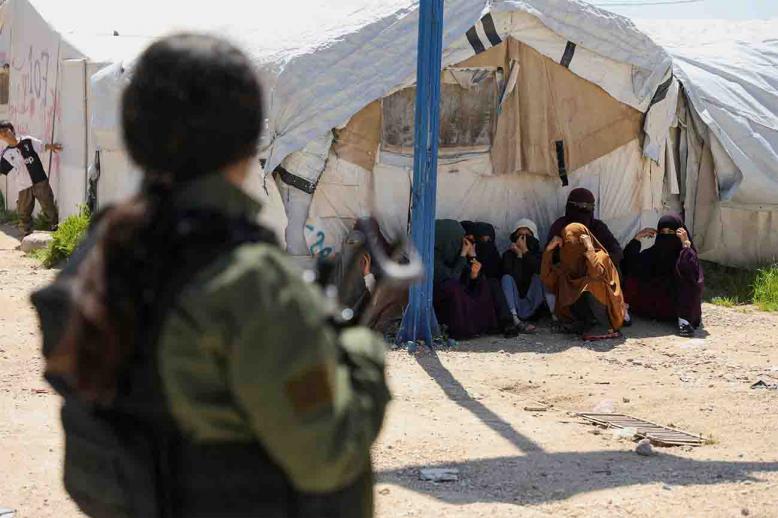
The controversy followed an announcement late on Wednesday by the US Central Command (Centcom), which confirmed the launch of a large-scale operation to relocate ISIS detainees. “We have begun a new mission to transfer Islamic State detainees from north-east Syria to Iraq to ensure terrorists remain in secure detention facilities,” Centcom said, adding that the operation had begun with the transfer of 150 ISIS fighters held at a detention centre in Hasakah to a secure site in Iraq. The total number of detainees transferred is expected to reach around 7,000.
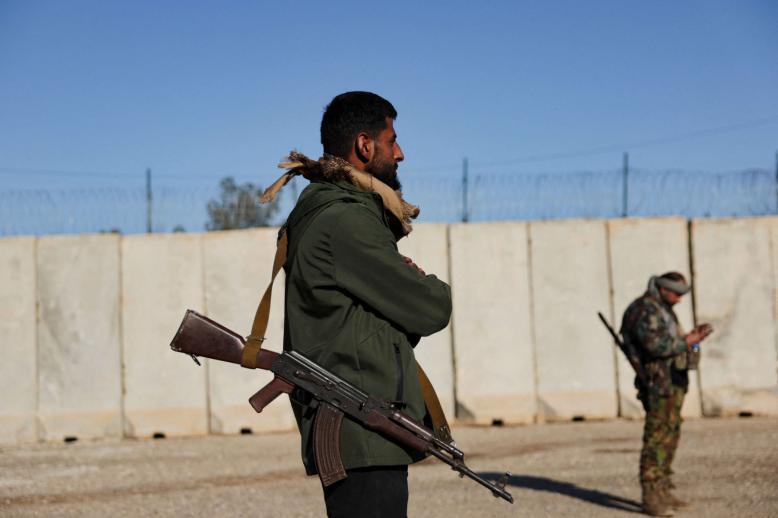
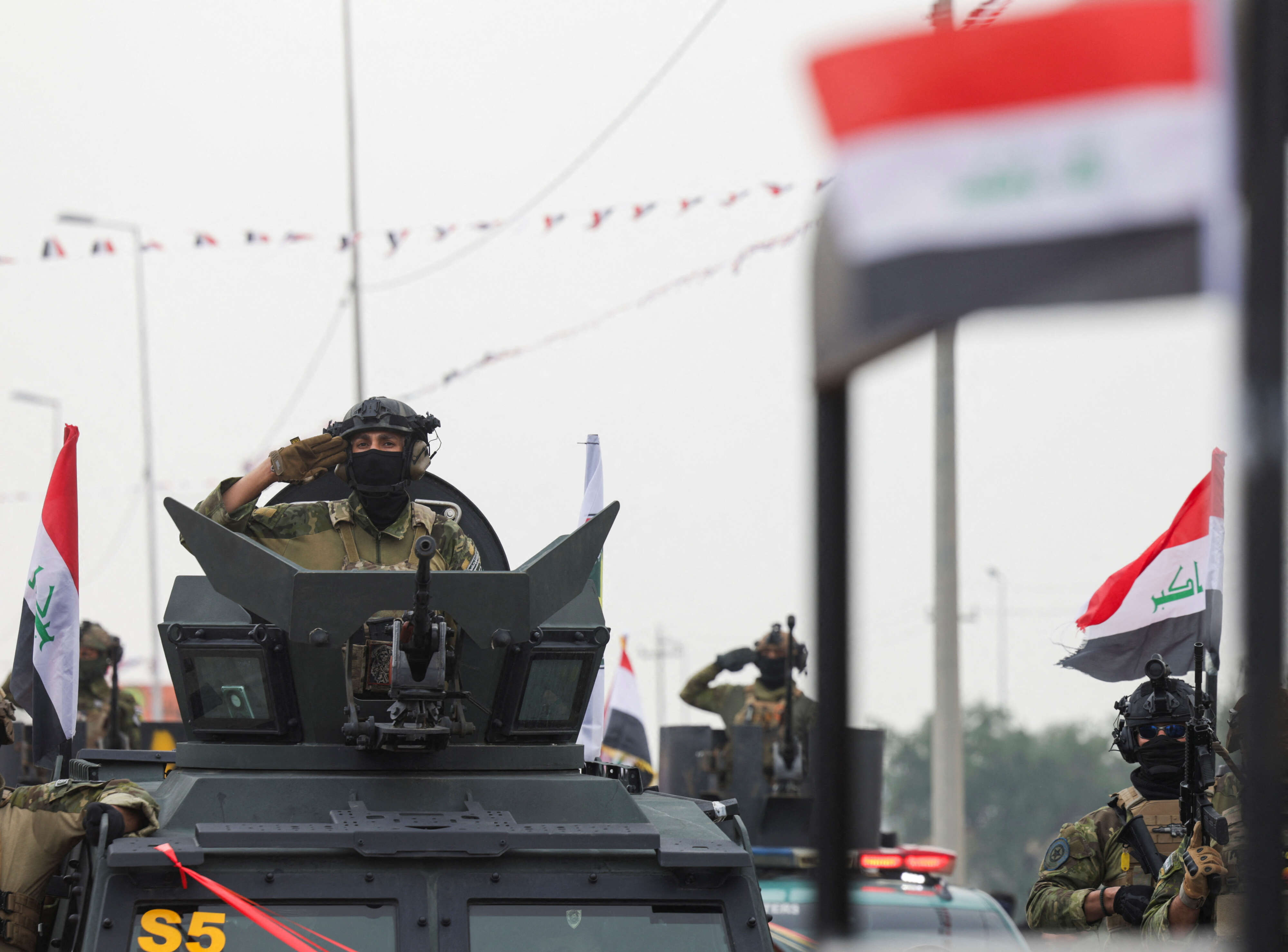
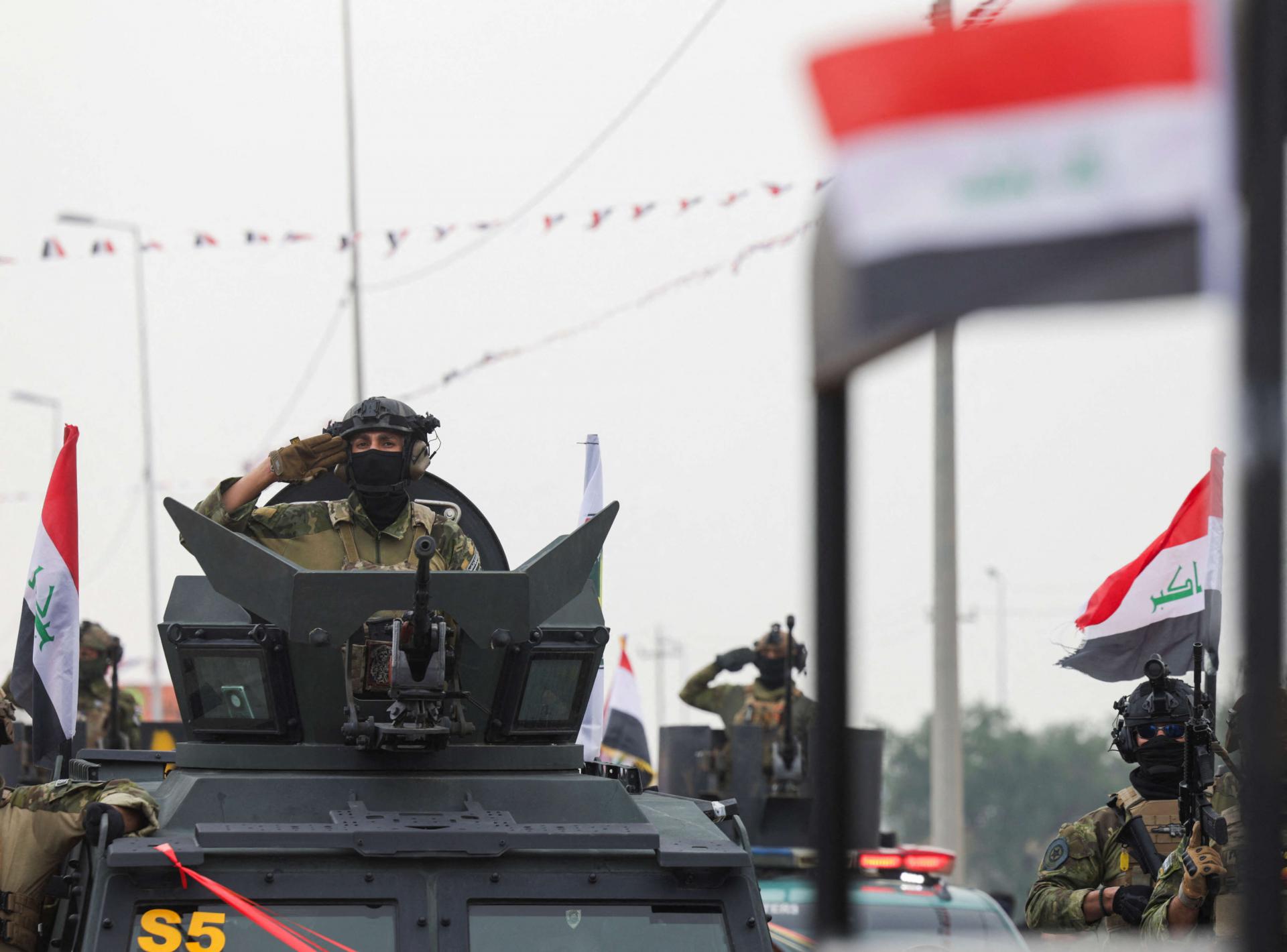
On the ground, Iraq’s military leadership moved swiftly to demonstrate readiness. The Iraqi Army Chief of Staff, General Abdul Amir Rashid Yarallah, arrived on Thursday in areas bordering Syria on an inspection visit aimed at assessing security preparedness. The defence ministry said the visit included the Sinjar district and focused on monitoring deployments, recent developments and the operational readiness of forces.
Prime Minister Mohammed Shiaa al-Sudani also carried out a field visit to a border guard position in Sinjar, affirming that Iraq possesses a “strong defensive line” capable of preventing militant infiltration and securing the country’s borders, according to the Iraqi News Agency.
As clashes continue in several parts of Syria between government forces and tribal fighters on one side and the SDF on the other, the transfer of ISIS detainees remains a deeply polarising issue in Iraq. For some political forces, it represents an unacceptable breach of sovereignty and a looming security threat; for others, it is a challenge that the Iraqi state is capable of containing through its judicial institutions and security apparatus, a fresh test of Iraq’s fragile balance between security imperatives and national sovereignty.