

Success despite difficult circumstances
Israel questions Lebanon’s claim of control over Litani River
Lebanon’s achievement in securing south of the Litani aligns with its efforts to disarm Hezbollah and consolidate state authority, a process begun in August.
Thursday 22/01/2026
Success despite difficult circumstances
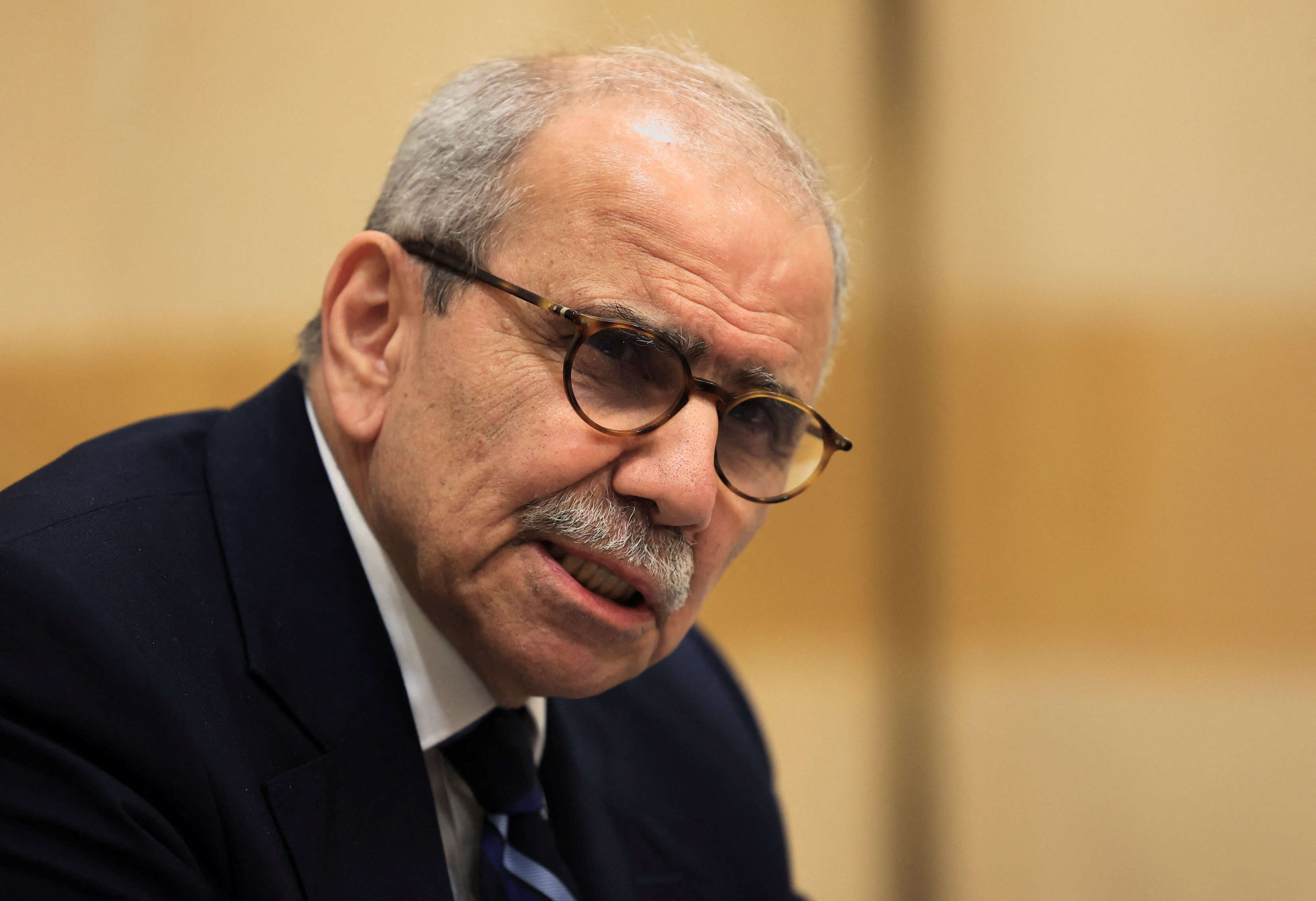
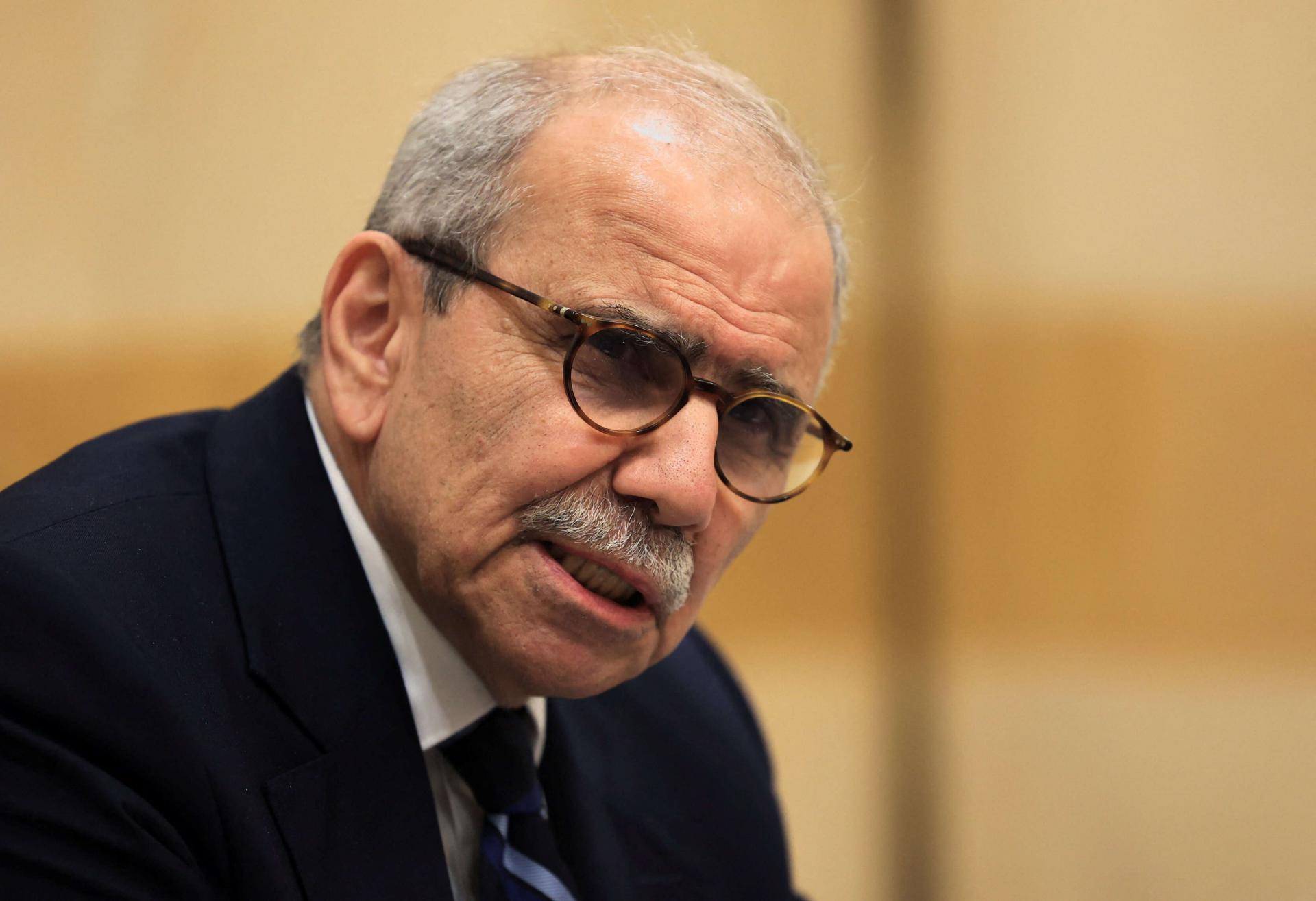
BEIRUT – Lebanon has for the first time in more than five decades claimed full state control over the territory south of the Litani River, Prime Minister Nawaf Salam announced on Thursday.
Speaking to Bloomberg at the Davos Economic Forum, Salam described the August decision to restrict armed groups in the area as a “historic moment” and said the government was working to complete the second phase of the Lebanese army’s plan, recently approved by the Cabinet. “The state has succeeded despite difficult circumstances,” Salam said, framing the milestone as a demonstration of restored sovereignty over southern Lebanon.
Yet the announcement has been met with scepticism from Israel, which has escalated military pressure, conducting strikes that suggest a shift from targeted raids to a broader strategy designed to exert both geographic and psychological leverage.
In the past week alone, Israeli air raids hit southern and eastern towns, including Qanarit, Kfour, and the strategic Zahrani corridor in Sidon.
According to Lebanon’s health ministry, 19 people were wounded in Qanarit, five of whom were hospitalised, and one person was killed in Zahrani.
The Israeli military stated that its strikes targeted Hezbollah operatives and infrastructure, accusing the group of repeated violations of the ceasefire, despite a 2024 truce aimed at halting hostilities.
Lebanon’s army condemned the attacks as “blatant violations” of national sovereignty and warned that they hinder ongoing disarmament efforts.
Strategic targets and pressure on Hezbollah
Military analyst Baha’a Hallal explained that Israel views the region north of the Litani as a “midline” between the border strip and Lebanon’s interior.
The Litani River is perceived in Israeli doctrine as both a security and psychological boundary. Strikes north of the river are interpreted as signalling that the confrontation extends beyond the immediate border, targeting the logistical and operational flexibility of Hezbollah rather than frontline positions alone.
In eastern Lebanon, including the strategic Hermel corridor and the Western Beqaa axis connecting the Beqaa Valley to the south, Israel seeks to disrupt supply and movement channels traditionally used for logistical support, redeployment and manoeuvre between fronts.
Hallal described this as an attempt to “cut the lifeline” between southern border areas and Lebanon’s interior, raising the human and operational cost of Hezbollah activity.
According to Hallal, Israel’s current strategy has multiple objectives. It aims to transform the conflict from a border skirmish into a psychological and territorial pressure campaign targeting Hezbollah’s depth, reassert deterrence after Lebanese army gains south of the Litani, demonstrate that Hezbollah remains under operational pressure despite formal disarmament steps, and prepare for future escalation scenarios without triggering a full-scale war.
The approach allows Israel to exert sustained pressure with limited domestic cost, relying on air superiority, intelligence, and precision targeting, while avoiding major mobilisation or mass civilian evacuations.
However, Hallal cautioned that the strategy is fragile, with escalation, wider territorial conflict or significant civilian casualties potentially undermining its effectiveness and provoking reciprocal measures.
Fragile ceasefire amid regional shifts
Lebanon’s achievement in securing south of the Litani aligns with its efforts to disarm Hezbollah and consolidate state authority, a process begun in August and formalised with the army’s phased plan. Yet Israel’s strikes expose the vulnerability of these gains and underscore the delicate balance in the region.
More than 350 people have reportedly been killed by Israeli fire in Lebanon since the ceasefire. The developments also reflect broader regional dynamics. Israeli pressure coincides with heightened concerns about Iranian influence, Hezbollah’s cross-border capabilities, and Lebanon’s ongoing struggle to assert control over strategic corridors.
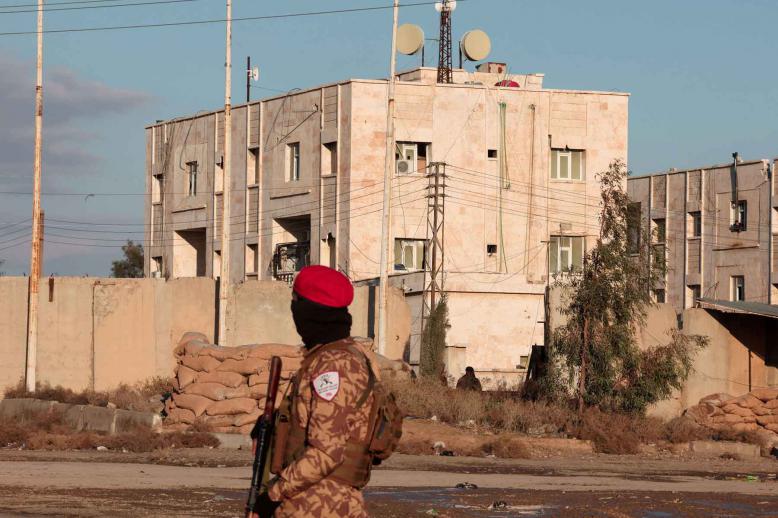
These developments mirror tensions across the wider Levant. In Syria, the Damascus government has recently retaken large swathes of territory from Kurdish forces, consolidating central authority nearly 14 months after Bashar al-Assad was toppled.
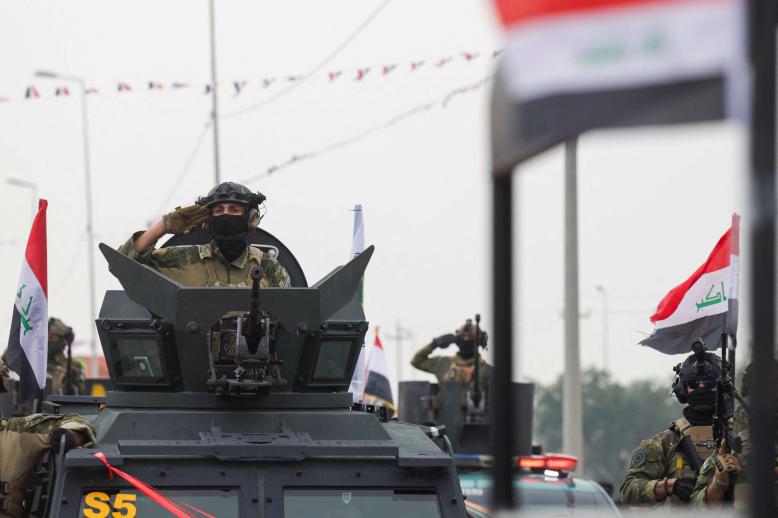
The US has recalibrated its involvement in northeast Syria, transferring Islamic State detainees to Iraq in response to security concerns.
Analysts note that Israel’s calculated escalation in Lebanon may also be influenced by these regional shifts, signalling that Israeli strategy seeks to preempt any vacuum that could empower Hezbollah or other Iran-backed actors.
Experts predict that Israeli strikes in southern and eastern Lebanon will continue at a moderate intensity along the same geographic axis, with escalation dependent on potential breakdowns in ceasefire arrangements or regional shocks.
The Lebanese government faces the challenge of maintaining sovereignty, completing Hezbollah disarmament and preventing further civilian casualties while navigating the complexities of cross-border threats.
As Israel asserts its deterrence and Lebanon solidifies control south of the Litani, the coming weeks will test the durability of agreements, the resilience of Lebanese state authority and the broader stability of the southern front, where local, regional and international interests intersect.