

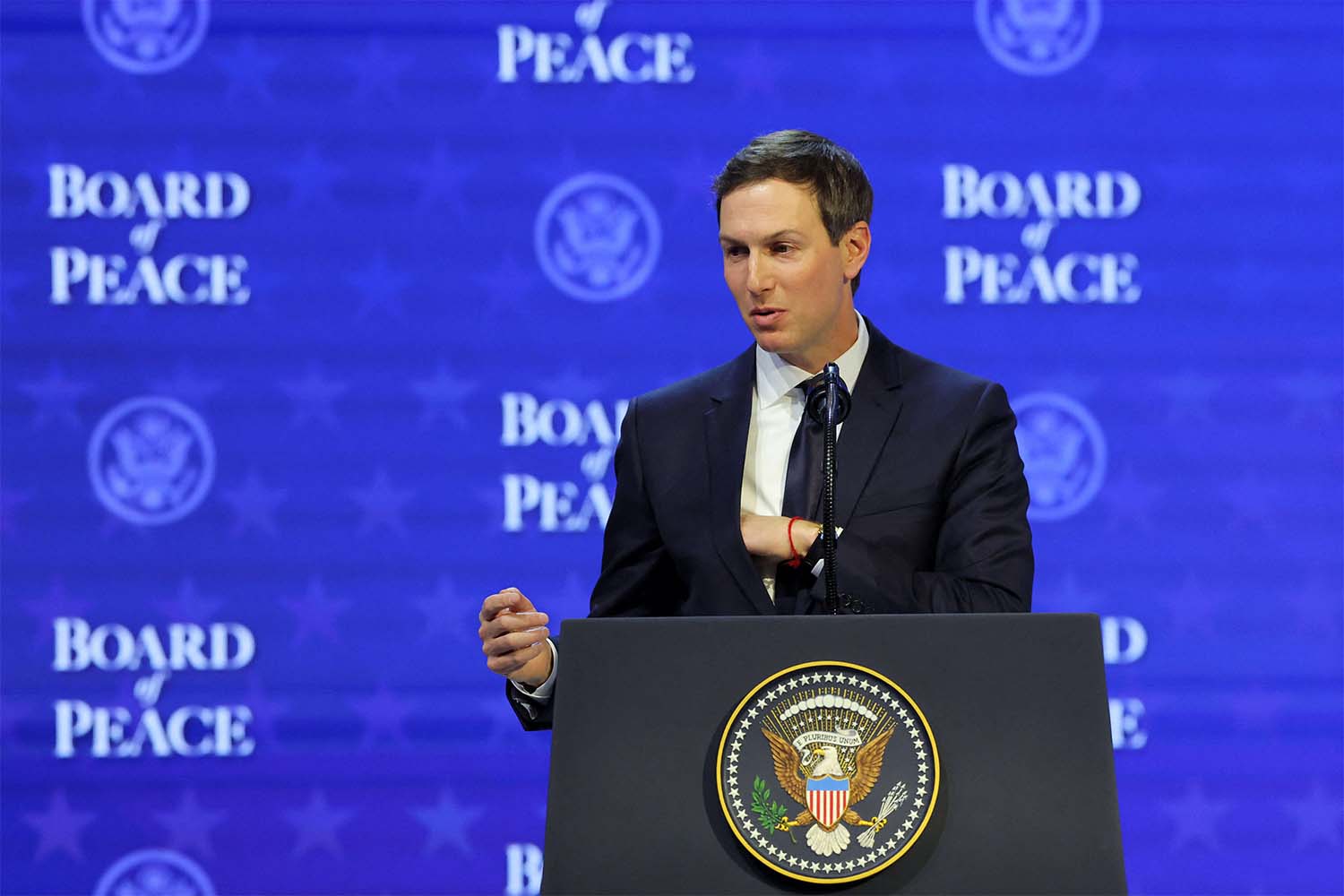
Kushner presented the proposal as part of the launch of Trump's "Board of Peace"
Kushner unveils $25-billion ‘free market Gaza’
The proposal by Trump’s son-in-law envisions transforming the Palestinian enclave into a thriving, free-market economy modeled on US principles, complete with luxury coastal developments, high-rise towers, data centers, and advanced industrial facilities.
Friday 23/01/2026
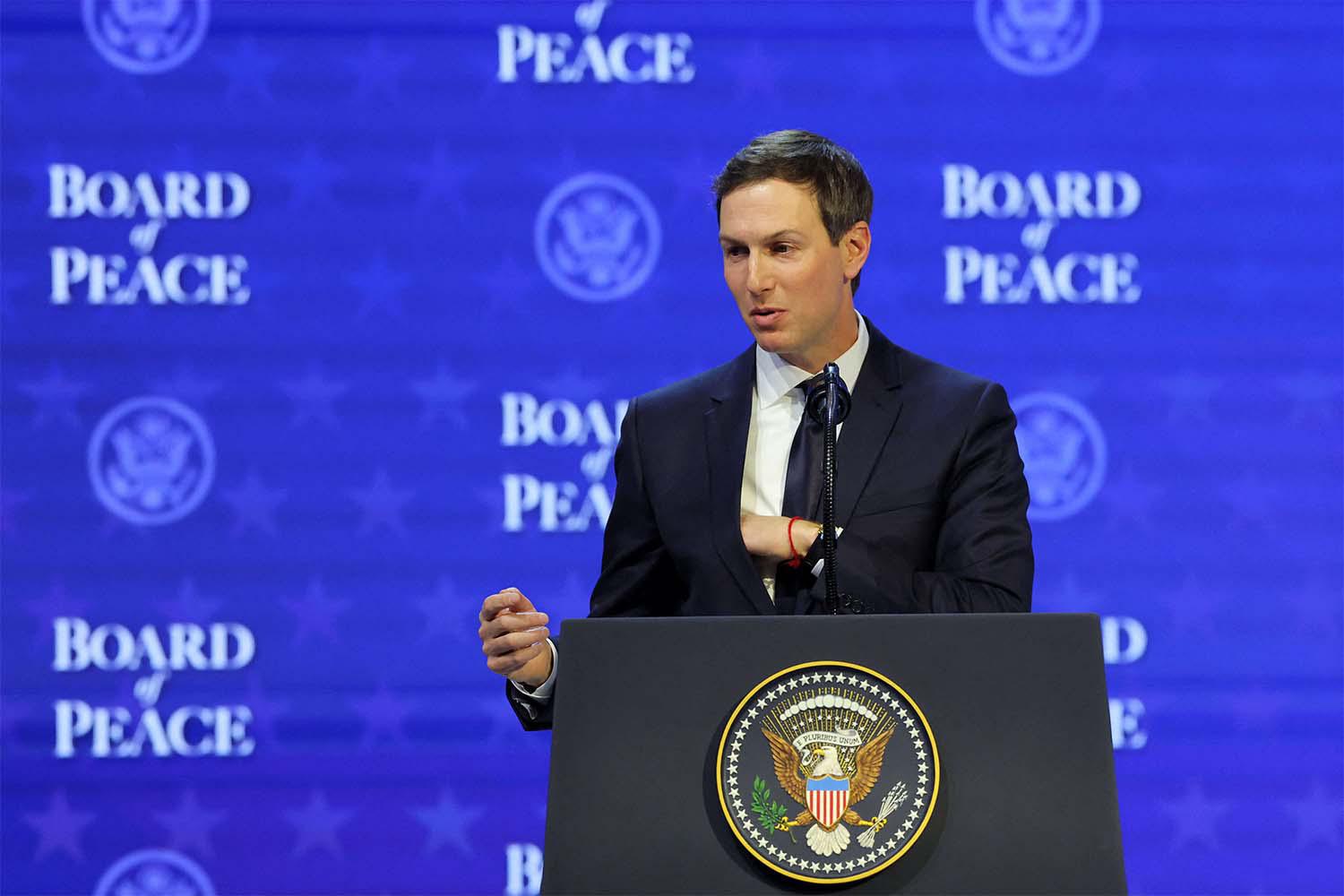
Kushner presented the proposal as part of the launch of Trump's "Board of Peace"
DAVOS - Jared Kushner, former senior advisor and son-in-law to US President Donald Trump, unveiled Thursday an ambitious "master plan" for the reconstruction of Gaza during a high-profile event at the World Economic Forum in Davos, Switzerland.
Presented as part of the launch of Trump's "Board of Peace," the proposal envisions transforming the war-ravaged Palestinian enclave into a thriving, free-market economy modeled on US principles, complete with luxury coastal developments, high-rise towers, data centers, and advanced industrial facilities.
Speaking alongside Trump at the signing ceremony for the Board of Peace charter, Kushner described the initiative as a pathway to "catastrophic success" for Gaza's residents.
He emphasized applying the same deregulated, investment-driven mindset that Trump promotes domestically, aiming to turn the territory - devastated by over two years of conflict - into a hub of prosperity, tourism, and technology.
Key elements of the 'New Gaza' vision
The plan, estimated to require at least $25 billion in funding - with potential private-sector contributions highlighted as "amazing investment opportunities" - outlines a phased, multi-year redevelopment starting in southern Gaza and progressing northward:
Coastal Tourism Zone: A prime focus is Gaza's Mediterranean shoreline, reimagined as a vibrant "Riviera-style" destination. Renderings shown during the presentation depicted up to 180 mixed-use towers lining the coast, including hotels, luxury apartments, villas, and commercial spaces reminiscent of developments in Dubai or Singapore.
Industrial and Tech Hubs: Inland areas would feature residential neighborhoods, parks, agricultural zones, sports facilities, and industrial parks equipped with data centres and advanced manufacturing plants to drive employment and economic growth.
Infrastructure Overhaul: Proposals include a new airport, seaport, freight logistics corridor, upgraded roads, a trilateral crossing at Rafah, and extensive housing—over 100,000 units targeted for "New Rafah" alone, alongside education centers, medical facilities, and cultural institutions.
Economic Model: Kushner stressed "free market principles" with minimal regulations to attract global investment, promising full employment and a shift from aid dependency to self-sustaining growth. He projected completion of initial phases (like southern housing) in 2-3 years, with a broader rollout over six phases.
The plan ties reconstruction directly to ongoing ceasefire terms, including the demilitarization of Hamas and sustained security guarantees.
Kushner noted that "without security, nobody is going to make investments," and described demilitarization as already underway.
Context and broader implications
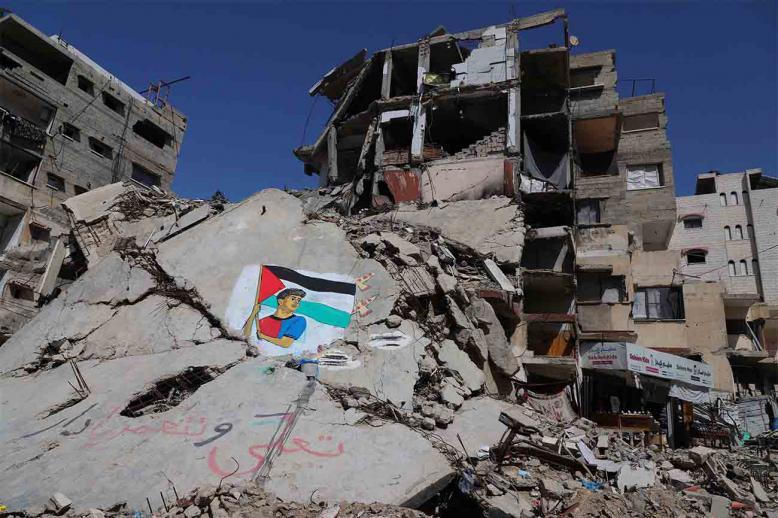
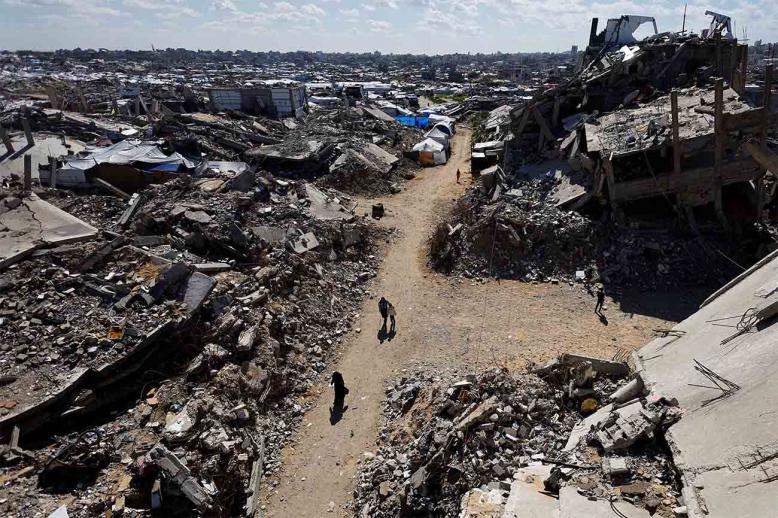
The announcement comes amid a fragile Israel-Hamas ceasefire brokered under Trump's administration, following intense fighting that left much of Gaza in ruins - UN estimates indicate around 80% of buildings damaged or destroyed, with massive rubble clearance needed.
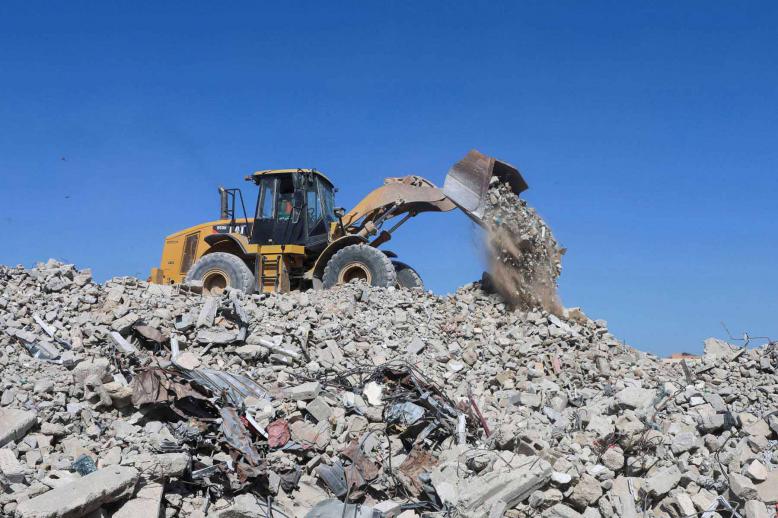
Kushner referenced clearing 60 million tonnes of debris from 90,000 tonnes of munitions dropped during the conflict.
Trump's "Board of Peace" is positioned as an international mechanism to oversee such initiatives, with upcoming conferences planned to secure funding pledges. The vision builds on earlier ideas floated by Kushner and associates, framing Gaza's coastline as prime real estate with high development potential.
However, the proposal has drawn sharp criticism. Human rights advocates and legal experts warn it risks amounting to forced displacement, economic exploitation, or even unlawful annexation under international law, especially given limited Palestinian input and the plan's top-down nature.
Some observers describe it as dystopian or tone-deaf, pitching luxury developments amid ongoing humanitarian crises, with reports of continued Israeli strikes and civilian hardships in Gaza.
Palestinian perspectives and regional stakeholders have yet to formally respond in detail, though skepticism persists over feasibility, funding sources, and whether the plan adequately addresses governance, refugee returns, or long-term political resolution.
As the Trump administration pushes forward with this bold economic blueprint, the "free market Gaza" concept underscores a shift toward viewing post-conflict reconstruction through a lens of private investment and rapid modernization - yet its success hinges on fragile security arrangements and broad international buy-in.