

An active engagement in international initiatives
Morocco positions itself as key player in US-backed Peace Council
The move carries strong political significance, underscoring Morocco’s active engagement in international initiatives aimed at supporting peace efforts.
Friday 23/01/2026
An active engagement in international initiatives
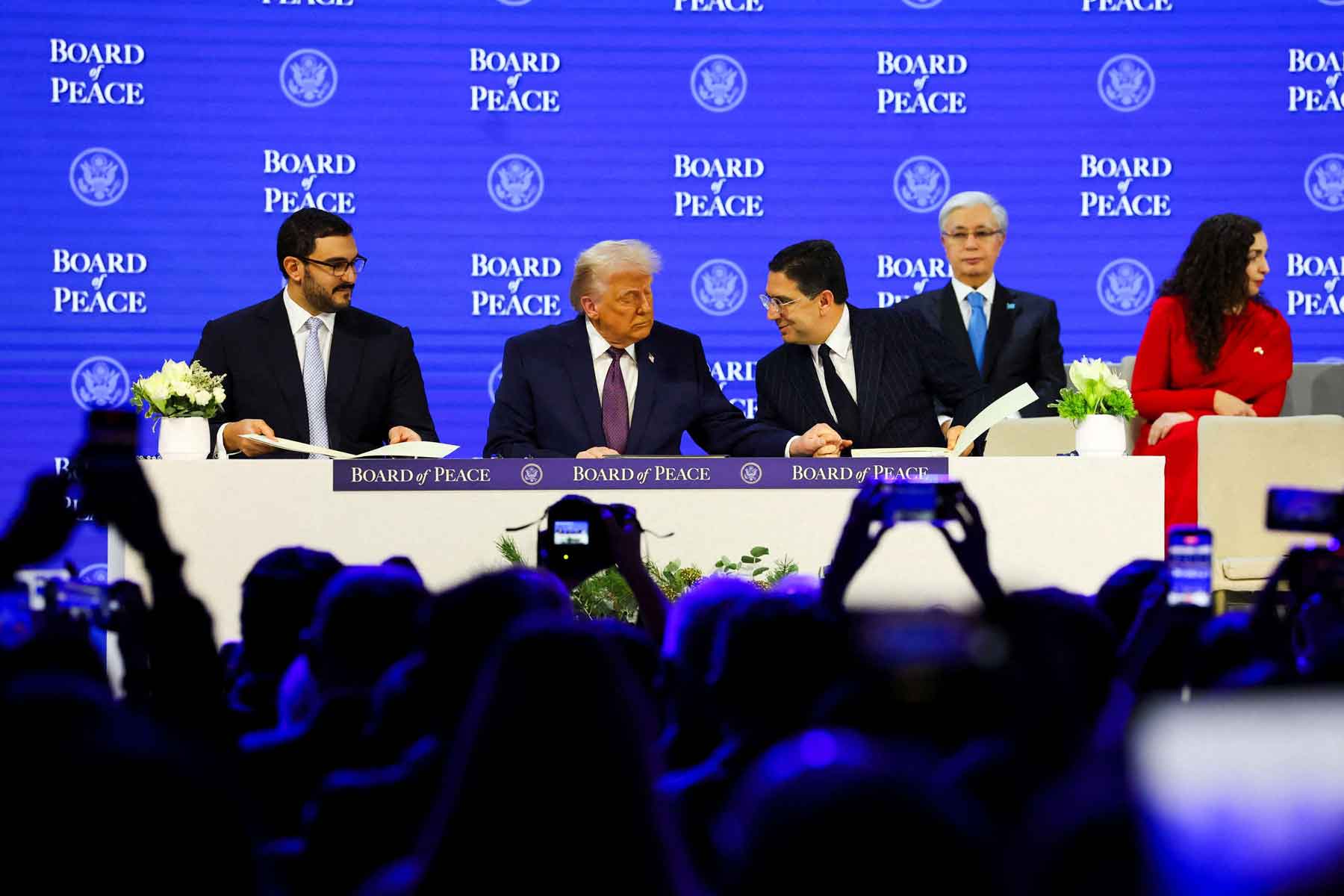
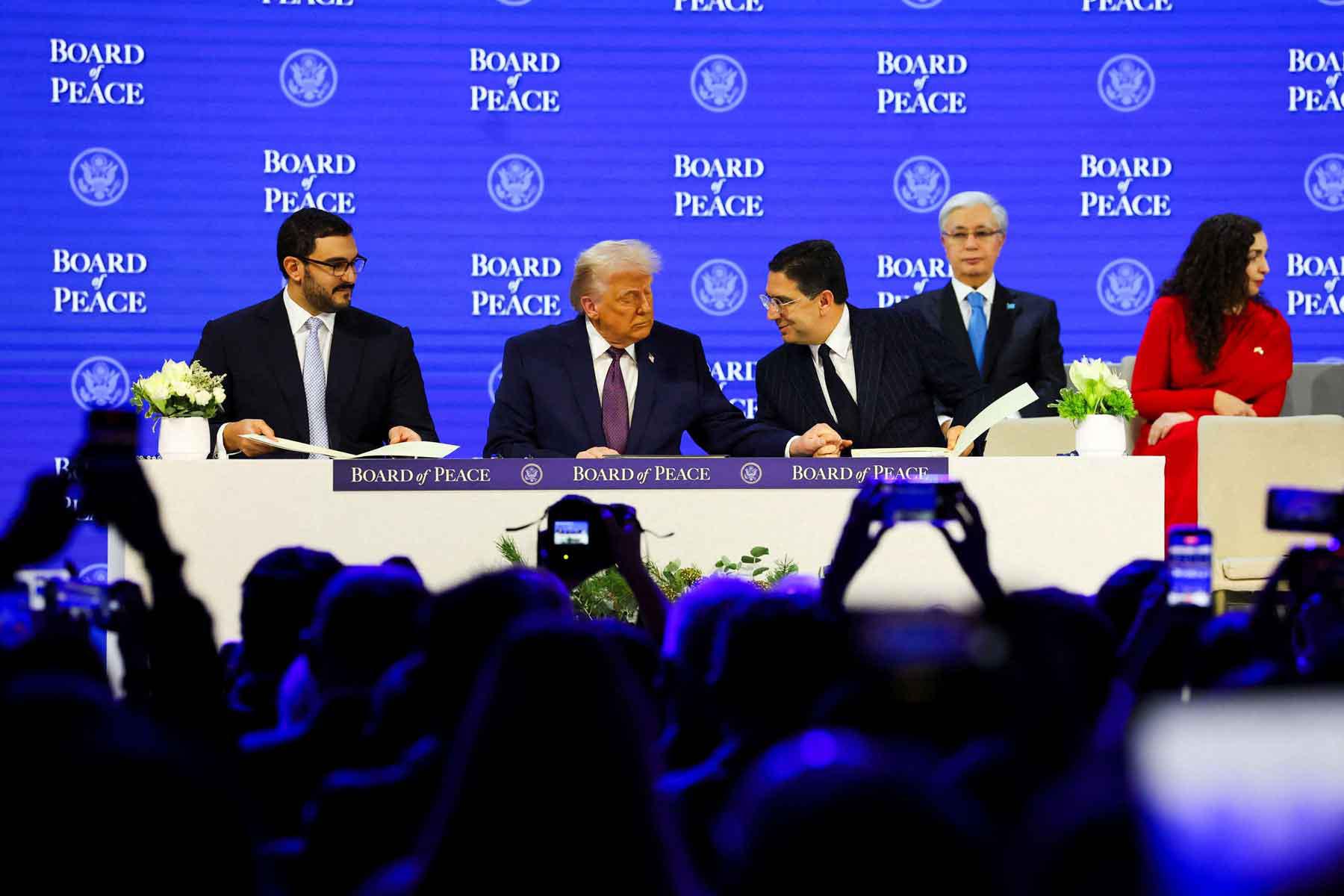
DAVOS, Switzerland – Morocco’s Foreign Minister Nasser Bourita on Thursday signed the founding charter of the Peace Council during an official ceremony presided over by US President Donald Trump, acting on the instructions of King Mohammed VI, who approved Morocco’s accession to the council following an invitation from the US leader.
The move carries strong political significance, underscoring Morocco’s active engagement in international initiatives aimed at supporting peace efforts, particularly in the Middle East, a region grappling with persistent tensions and open conflicts.
The signing took place in the Swiss city of Davos on the sidelines of the World Economic Forum, during a ceremony attended by a number of heads of state and foreign ministers. Morocco joined the initiative as a founding member, in what was described as an attempt to launch a new international approach to conflict resolution and the promotion of global stability.
Morocco’s decision to join the Peace Council comes within the framework of a coherent diplomatic approach that has long championed dialogue and political solutions while rejecting escalation and violence. The kingdom’s position is rooted in the conviction that security and stability can only be achieved through addressing the root causes of conflicts and upholding international legitimacy.
Alongside Bahrain, Morocco was among the first countries to sign the charter, a step that gave the initiative early political momentum and sent a clear signal on the importance of proactive engagement in collective peace mechanisms.
Morocco’s participation in the council carries particular weight given its longstanding and firm stance on the Palestinian cause, which Rabat considers a central issue that is not open to compromise. It also reflects the role played by King Mohammed VI, in his capacity as Chairman of the Al-Quds Committee, in defending the legal and historical status of Jerusalem and supporting the steadfastness of its residents.
This engagement also reflects Morocco’s insistence that any international peace initiative must be consistent with the two-state solution and with the Palestinian people’s right to establish an independent state within the 1967 borders, with East Jerusalem as its capital.
From a political standpoint, Morocco’s signing of the Peace Council charter is closely aligned with the vision that has guided its diplomacy in recent years, one that seeks to strike a balance between political realism and principled commitments. While actively engaging in influential international initiatives, Morocco has maintained the independence of its sovereign decision-making and defended issues of peace and security through a comprehensive approach that links development to stability.
The move also represents growing international recognition of Rabat’s role as a credible and trusted actor in mediation and peace-building efforts, whether in the Middle East or within its African and Mediterranean environment. Morocco has built a diplomatic track record centred on anticipation, dialogue and the construction of trust, positioning it as an acceptable partner in multilateral initiatives.
As the region faces mounting challenges, from the escalation of armed conflicts to fragile security arrangements, Morocco is betting on transforming its participation in the Peace Council into a platform for advocating a fair and inclusive approach that treats peace as a strategic choice and international law as the foundation for any sustainable settlement.
In doing so, Morocco once again signals that its international engagement remains inseparable from its long-standing commitment to supporting security, stability and peace, with the Palestinian cause remaining at the heart of this vision.