

The Kremlin's measured response reflects cautious optimism
Moscow: Talks with Ukraine in Abu Dhabi held in ‘constructive spirit’
The Kremlin cautions that "significant work ahead" remains to reach any meaningful resolution to the ongoing conflict with Ukraine.
Tuesday 27/01/2026
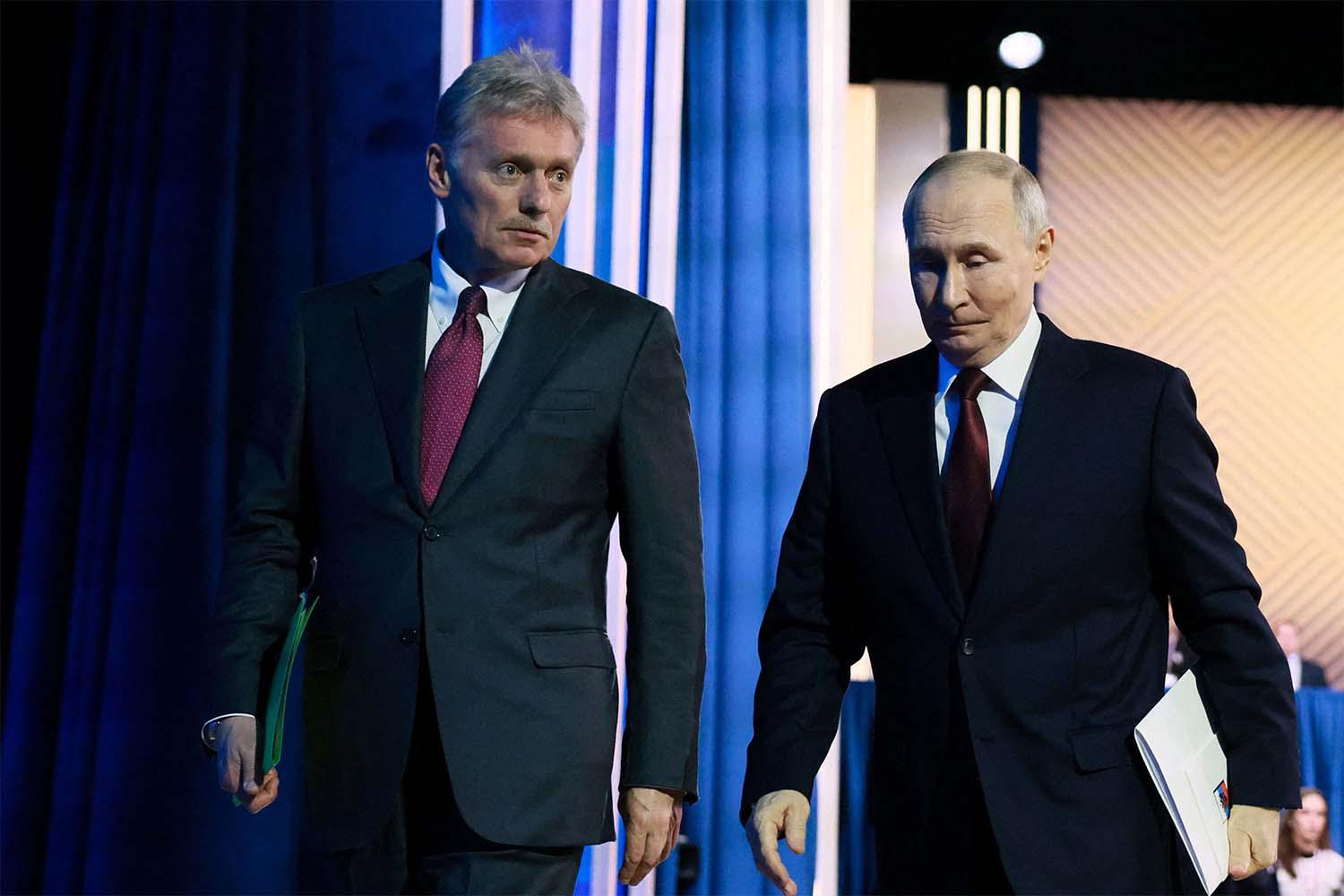
The Kremlin's measured response reflects cautious optimism
MOSCOW - The Kremlin described recent US-brokered trilateral talks in the United Arab Emirates between Russian and Ukrainian negotiators as having taken place in a "constructive spirit", while cautioning that "significant work ahead" remains to reach any meaningful resolution to the ongoing conflict.
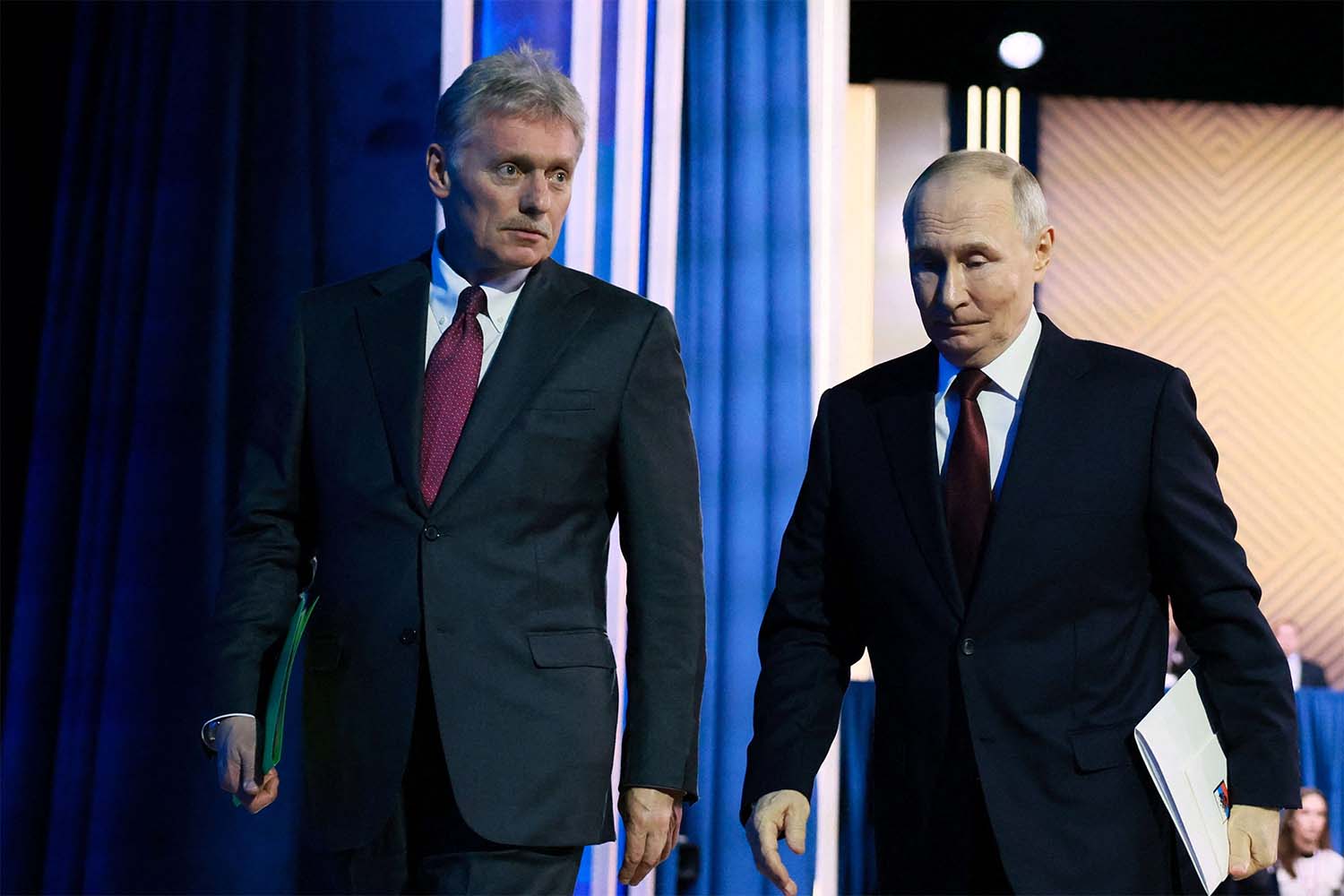
In statements delivered on Monday, Kremlin spokesman Dmitry Peskov addressed journalists following the conclusion of the two-day meeting held in Abu Dhabi on Friday and Saturday.
Peskov emphasized that the initial contacts marked a positive step simply by occurring, but he tempered expectations by noting no major breakthroughs had been achieved.
"The very fact that these contacts have begun in a constructive way can be assessed positively, but there is still serious work ahead," Peskov said, adding that while the atmosphere allowed for dialogue, friendliness was not present at this stage, and progress would require sustained effort.
The talks represented the first direct trilateral engagement involving Russia, Ukraine, and the United States since Russia's full-scale invasion of Ukraine in February 2022.
They were part of an initiative pushed by US President Donald Trump to broker an end to the nearly four-year war. The discussions focused on elements of a proposed US peace framework, including confidence-building measures, security guarantees, and the contentious territorial issues - particularly the status of Ukraine's eastern Donbas region (Donetsk and Luhansk), where Russia controls most territory and insists on full Ukrainian withdrawal as a core condition.
Russian delegations included figures such as presidential aide Yuri Ushakov and envoy Kirill Dmitriev, alongside military intelligence representatives. The Ukrainian side featured National Security and Defense Council Secretary Rustem Umerov, Office of the President head Kyrylo Budanov, and other senior officials. US envoys included Steve Witkoff and Jared Kushner, with military participation from figures like US Army Secretary Dan Driscoll.
Ukrainian President Volodymyr Zelenskyy echoed the "constructive" tone, stating that a wide range of issues had been discussed and highlighting the importance of continued dialogue.
However, he acknowledged that complex political matters, especially territorial ones, remain unresolved.
Kyiv has consistently rejected ceding territory, viewing it as a violation of sovereignty.
The talks unfolded amid heightened military activity. Overnight Russian strikes on Ukrainian energy infrastructure left millions without power in sub-zero temperatures, drawing accusations from Kyiv that Moscow was undermining negotiations.
Russian officials maintained their demands, including adherence to what they describe as the "Anchorage formula" from prior Trump-Putin discussions, which reportedly involves freezing front lines and recognizing Russian control over Donbas.
A UAE government statement described the atmosphere as "constructive and positive," noting direct engagement between Russian and Ukrainian representatives on outstanding elements of the US framework.
According to US officials, the talks will resume in the UAE as early as February 1, with potential for further meetings possibly in Moscow or Kyiv before any higher-level summit involving leaders.
The Kremlin's measured response reflects cautious optimism amid deep divisions. While the resumption of direct contacts signals diplomatic momentum under the current US administration, core disputes - particularly over territory, security guarantees, and Ukraine's future alignment - continue to pose formidable obstacles.
Peskov's comments underscore Moscow's view that substantial concessions from Kyiv are essential for any lasting settlement, even as both sides prepare for the next round of negotiations.
This development occurs against the backdrop of ongoing attrition on the front lines, civilian hardships in Ukraine during winter, and broader geopolitical efforts to find a path toward de-escalation.