

Renewed push for regional diplomacy
Saied positions Tunisia as regional facilitator in Libya’s political crisis
Libya’s absence from the Tunis discussions underscores enduring sensitivities about regional mediation and the role of external actors in domestic politics.
Tuesday 27/01/2026
Renewed push for regional diplomacy
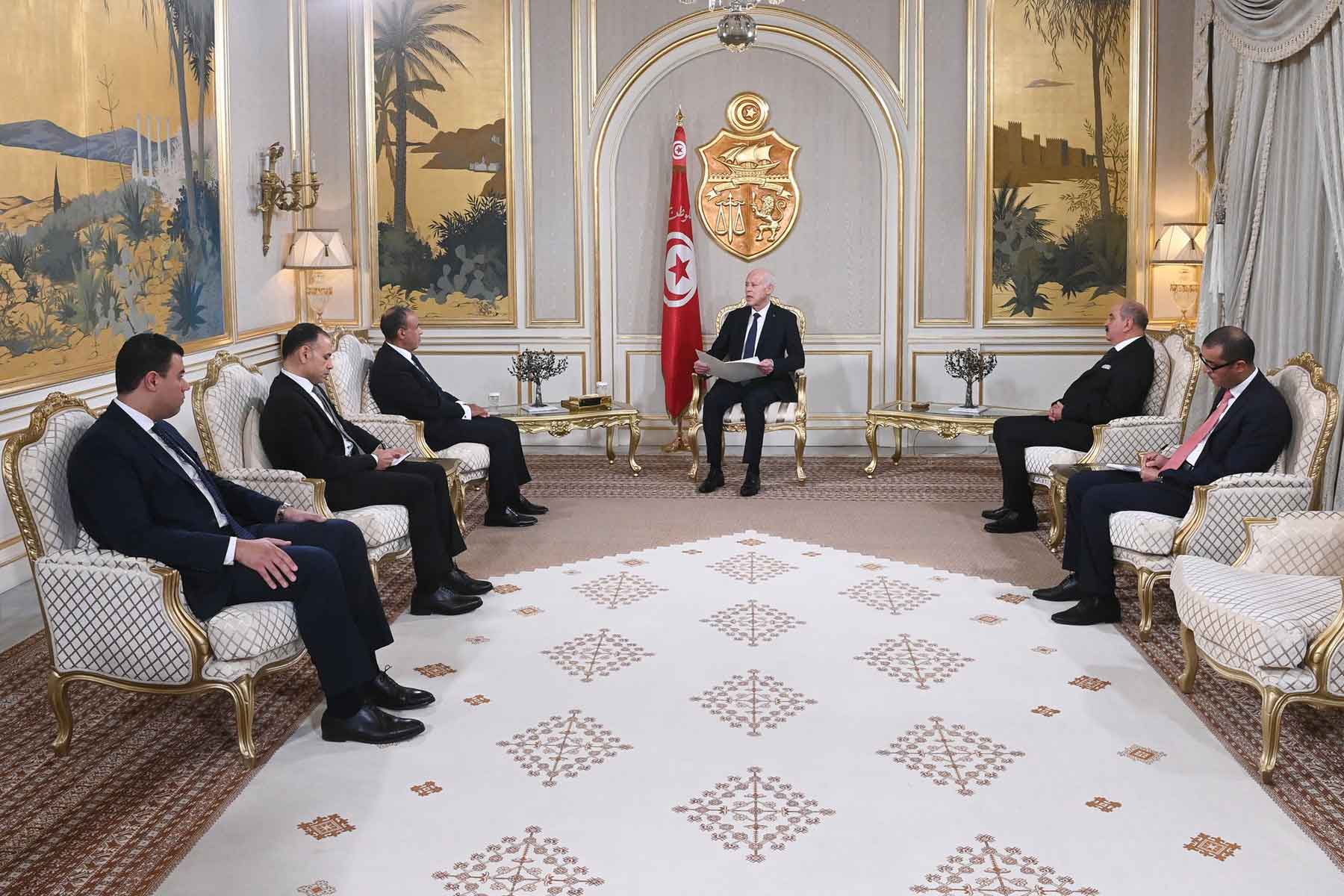
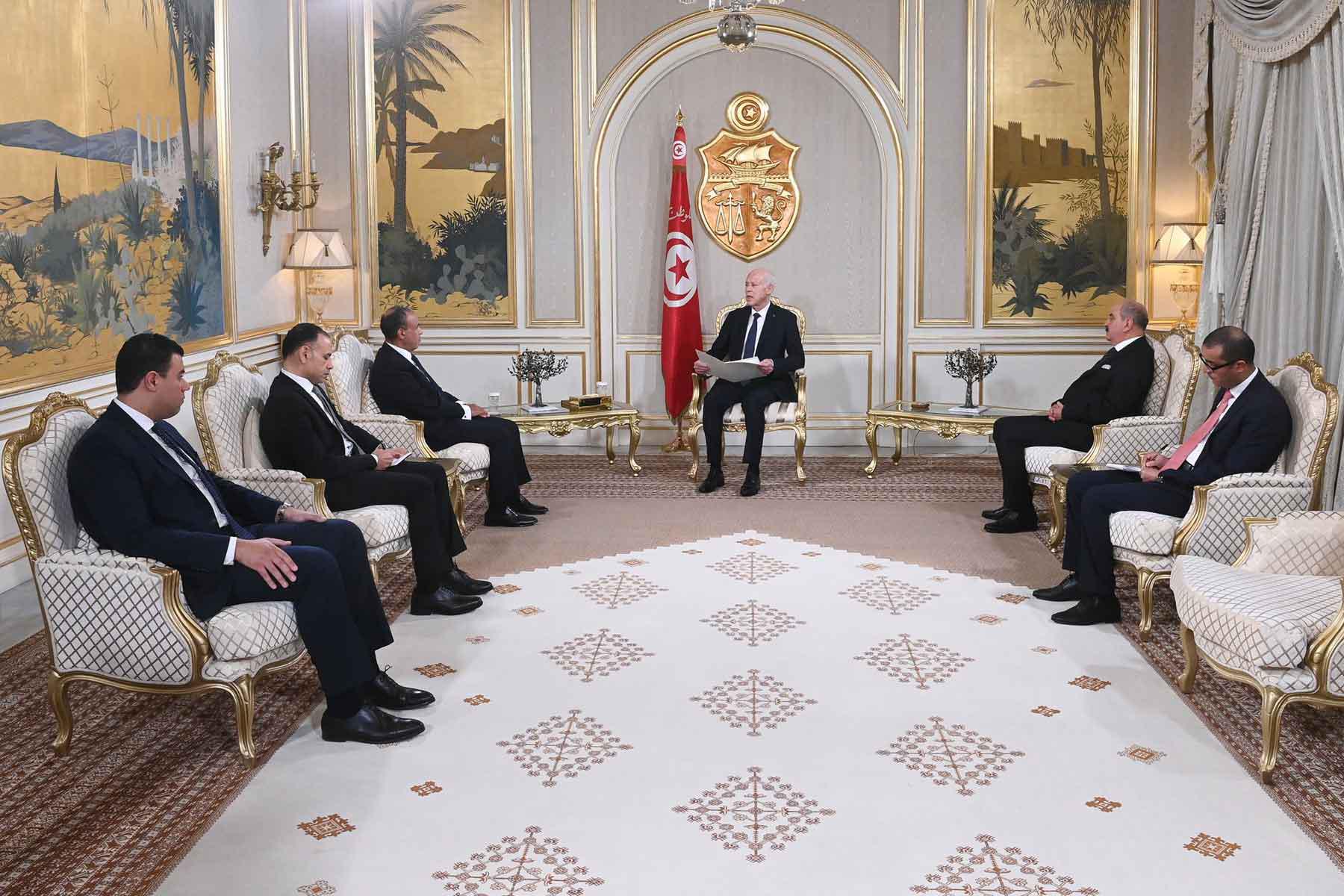
TUNIS – Tunisian President Kais Saied reiterated that any solution to Libya’s protracted political crisis must be Libyan-led, while offering his country as a venue for an inclusive national conference. The comments came during bilateral meetings in Tunis with Egypt’s Foreign Minister Badr Abdelatty and Algeria’s Foreign Minister Ahmed Attaf, according to statements from the Tunisian presidency.
The meetings were held under the framework of the Tripartite Consultation Mechanism on Libya, which was launched in 2017, paused in 2019, and reactivated in May 2025 with a consultative session in Cairo involving the foreign ministers of the three nations.
Saied emphasised that “the solution in Libya can only be Libyan, and the internationalisation of national issues only complicates matters.”
He added that consultative meetings are important as tools to assist the Libyan people in achieving their aspirations, but that the people of Libya alone are entitled to determine their destiny independently, free from foreign interference.
“Libyans are the only ones capable of making the choices that serve their people. Tunisia remains committed to Libya’s unity, security and stability,” he said.
The Tunisian initiative seeks to provide a platform for dialogue and national reconciliation, aiming to consolidate political, economic and security frameworks as part of the broader UN-backed roadmap for Libya.
Regional and international coordination
The meetings in Tunis coincided with the participation of Hanna Tetteh, UN Special Representative for Libya, reflecting ongoing international interest in stabilising the country.
The UN has long promoted structured dialogue to define governance principles, recommend political and legislative measures, and prepare the ground for peaceful elections. Such steps are intended to maintain stability in the aftermath of electoral processes and to facilitate Libya’s transition from prolonged periods of political fragmentation.
However, the internationally recognised Government of National Unity, based in Tripoli under Prime Minister Abdulhamid Dbeibah, voiced reservations over regional consultations conducted without Libya’s direct participation.
Tripoli stressed that the Libyan state is the legitimate authority responsible for political, security, and stability matters, warning that any external initiative must respect Libyan sovereignty and involve the country’s competent institutions.
Observers note that Libya’s absence from the Tunis discussions underscores enduring sensitivities about regional mediation and the role of external actors in domestic politics. The country remains divided between the Tripoli-based Government of National Unity in the west and the eastern government in Benghazi led by Osama Hammad, which controls much of eastern Libya and significant southern regions.
Institutional challenges and stakes
Political tensions have also intensified around the reformation of Libya’s National Elections Commission, a key institution tasked with overseeing parliamentary and presidential elections. The UN mission has highlighted the importance of preserving the integrity and technical competence of this body, describing it as one of the last functioning institutions bridging the country’s deep divisions.
Regional powers, including Tunisia, Algeria and Egypt, insist on non-intervention and stress that the political solution must ultimately be Libyan-led. Analysts view the Tunis initiative as a demonstration of Tunisia’s commitment to facilitating dialogue, reinforcing regional stability, and fostering cooperation that respects Libya’s sovereignty while promoting national reconciliation.
President Saied also underscored that these efforts aim to create conditions conducive to a consensual political settlement, while supporting the aspirations of Libyans to end years of division, armed conflict and transitional governance that have persisted since the fall of Muammar Gaddafi in 2011.
The Tunis tripartite meetings and Tunisia’s offer to host a national conference mark a renewed push for regional diplomacy to support Libya’s political stabilisation. Yet the effectiveness of such efforts remains contingent on inclusive participation, respect for Libyan sovereignty, and the willingness of rival factions to engage constructively. Analysts suggest that the coming months will be decisive in determining whether regional consultations can complement Libya’s internal processes or risk exacerbating existing tensions.