


Effective treasury management remains a key pillar of Morocco’s macroeconomic stability
Morocco’s treasury launches two operations to place MAD 4.2 billion in cash surpluses
The short-term placements are part of the DTFE's routine liquidity management strategy, aimed at optimizing the state's excess cash holdings while earning modest returns in a low-risk environment.
Wednesday 28/01/2026
Effective treasury management remains a key pillar of Morocco’s macroeconomic stability
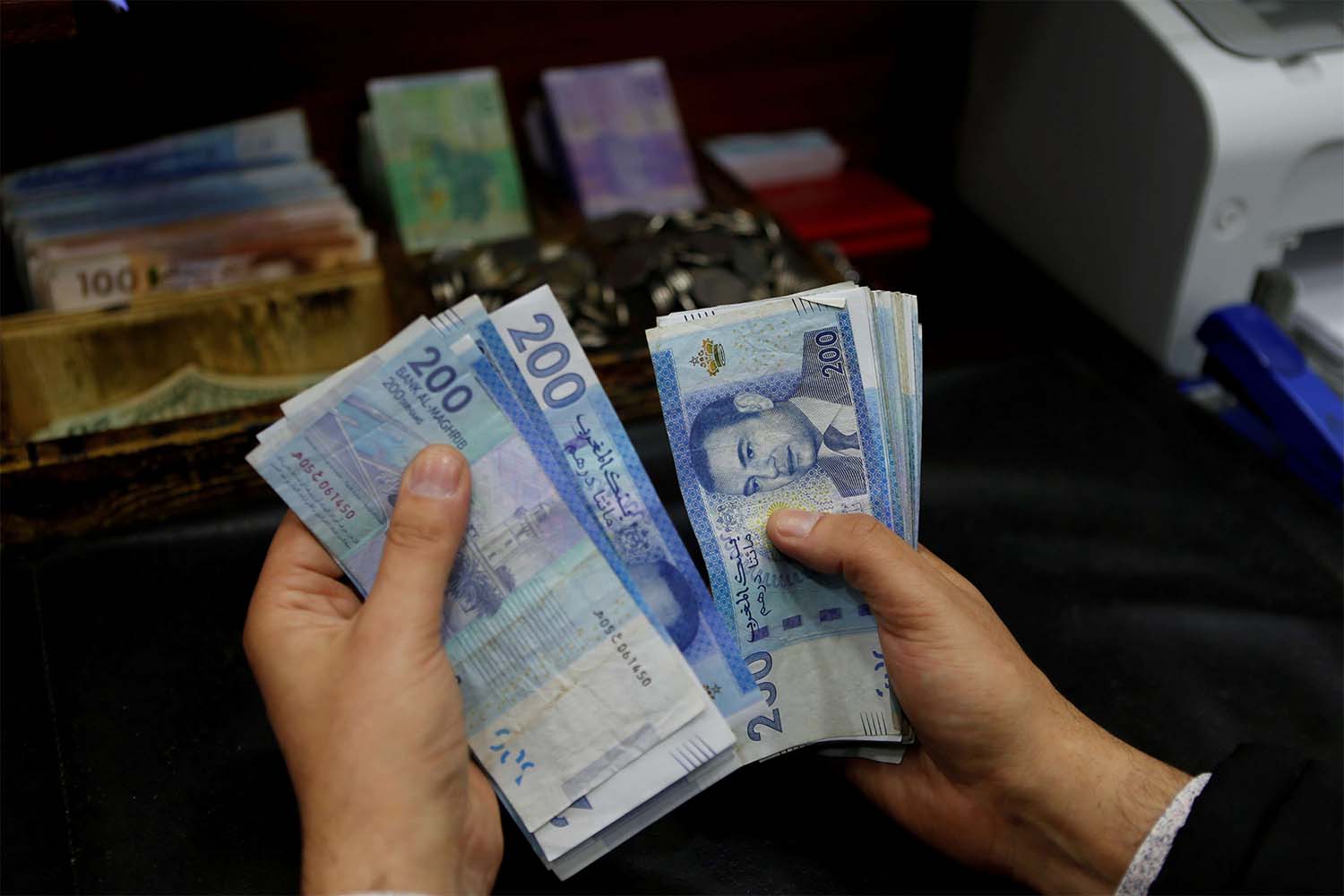
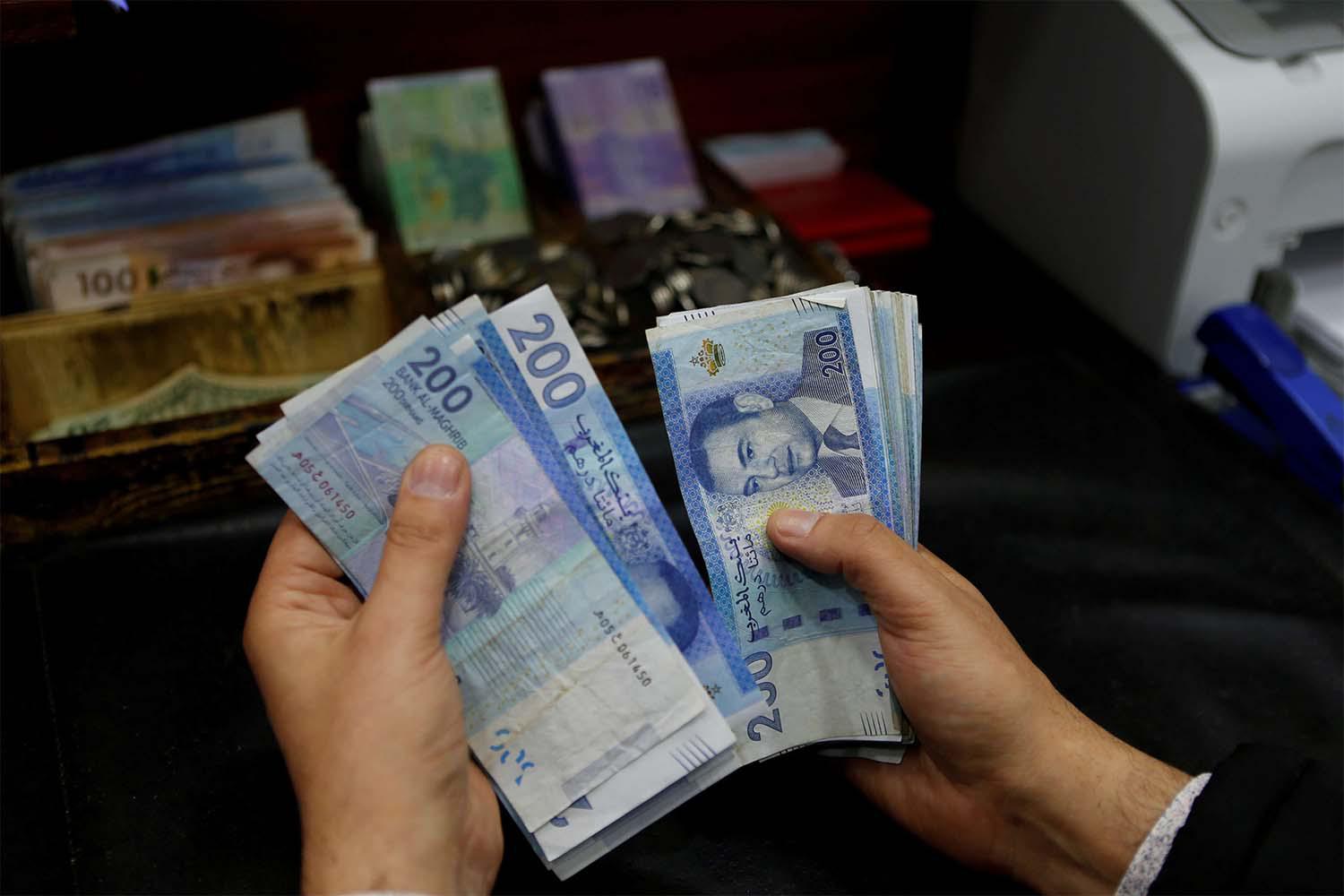
RABAT – Morocco’s Treasury and External Finance Directorate (DTFE) announced on Tuesday the launch of two operations to invest cash surpluses totaling 4.2 billion Moroccan dirhams ($470 million).
These short-term placements are part of the DTFE's routine liquidity management strategy, aimed at optimizing the state's excess cash holdings while earning modest returns in a low-risk environment.
Such operations typically involve reverse repurchase agreements (repos) with commercial banks or other financial institutions, allowing the Treasury to place funds overnight or for a few days and receive them back with interest upon maturity.
The DTFE, operating under the Ministry of Economy and Finance, regularly conducts these surplus investment operations to manage daily or weekly treasury fluctuations stemming from tax collections, budget executions, external financing inflows, and expenditure patterns.
By parking idle cash in secured instruments, the Treasury minimizes opportunity costs and contributes to the stability of the domestic money market.
Although specific details on the breakdown of the two operations - such as individual amounts, maturities, and weighted average rates - were not immediately detailed in the announcement, similar recent placements provide context.
For instance, the DTFE has frequently split surplus investments into one-day and multi-day repo deals, with rates reflecting prevailing interbank conditions and Bank Al-Maghrib's key policy rate.
In comparable operations over the past year, the DTFE has placed amounts ranging from MAD 1 billion to over MAD 4 billion in single or dual tranches, often at weighted average rates between 2% and 2.5%. These rates remain influenced by Morocco's monetary policy stance, which has kept the central bank's key rate steady amid controlled inflation and efforts to support economic recovery.
The placement of MAD 4.2 billion underscores the Treasury's current position of liquidity abundance, likely driven by stronger-than-expected revenue performance, delayed expenditures, or inflows from international partners.
Morocco has maintained fiscal discipline in recent years, with budget execution showing periodic surpluses in ordinary balances despite ongoing investments in infrastructure, social programs, and economic diversification.
This move aligns with broader efforts to enhance public finance efficiency. The DTFE plays a central role in forecasting treasury needs, coordinating monetary policy implementation, and ensuring smooth financing of the state's obligations—both domestic and external.
Market observers view these regular surplus placements as a positive signal of prudent cash management, helping to contain excess liquidity that could otherwise pressure short-term interest rates downward.
Banks participating in these repo operations benefit from secure, collateralized lending opportunities to the state.
The DTFE's proactive approach to investing cash surpluses demonstrates ongoing commitment to optimizing public resources while supporting the smooth functioning of the financial system.