

PIF is widening its search for capital sources beyond traditional channels
Saudi Fund seeks greater domestic investment from wealthiest families
Bloomberg reports Public Investment Fund has approached prominent Saudi business families, urging them to increase their investments in domestic projects amid reassessment of mega-projects.
Wednesday 28/01/2026
PIF is widening its search for capital sources beyond traditional channels
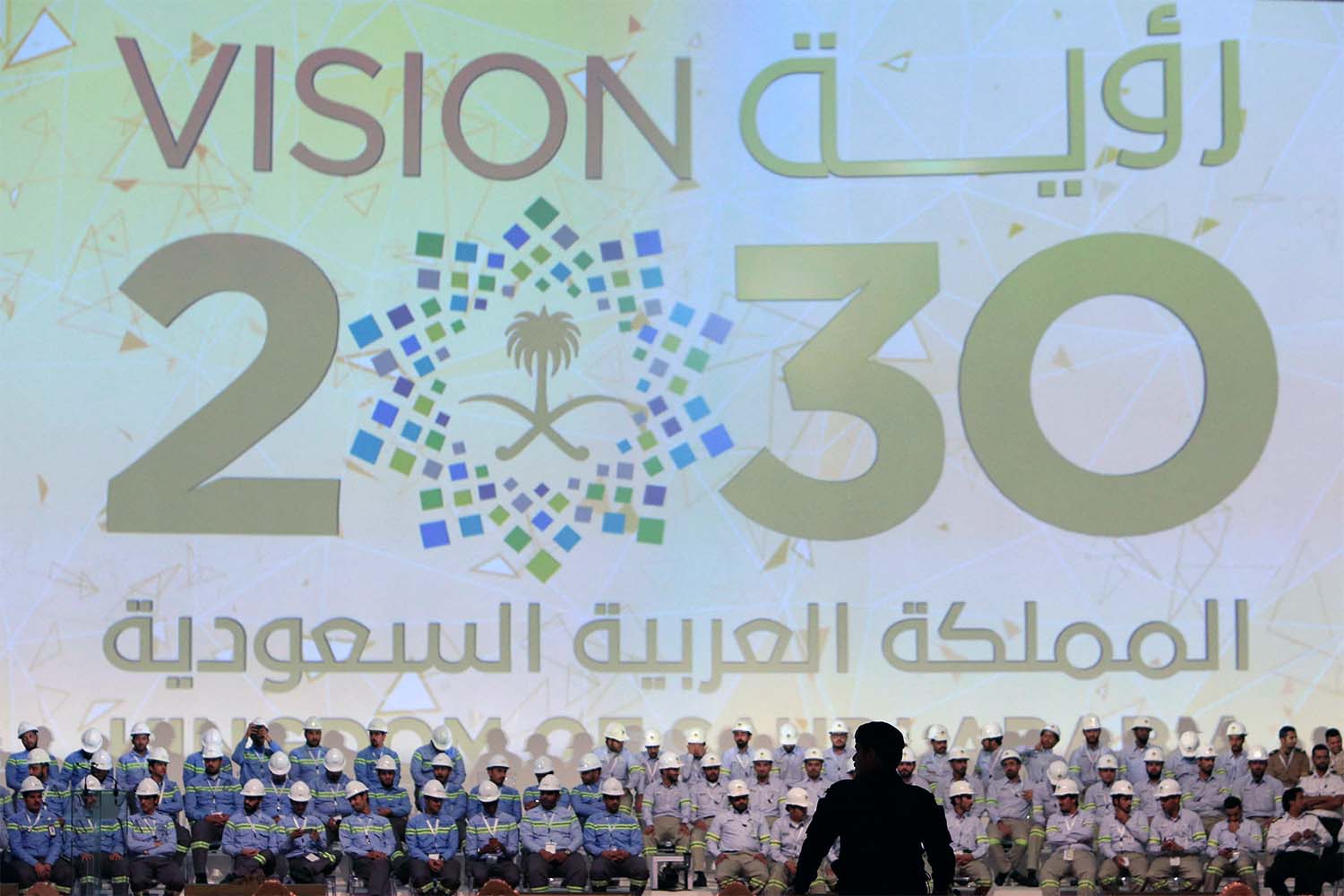
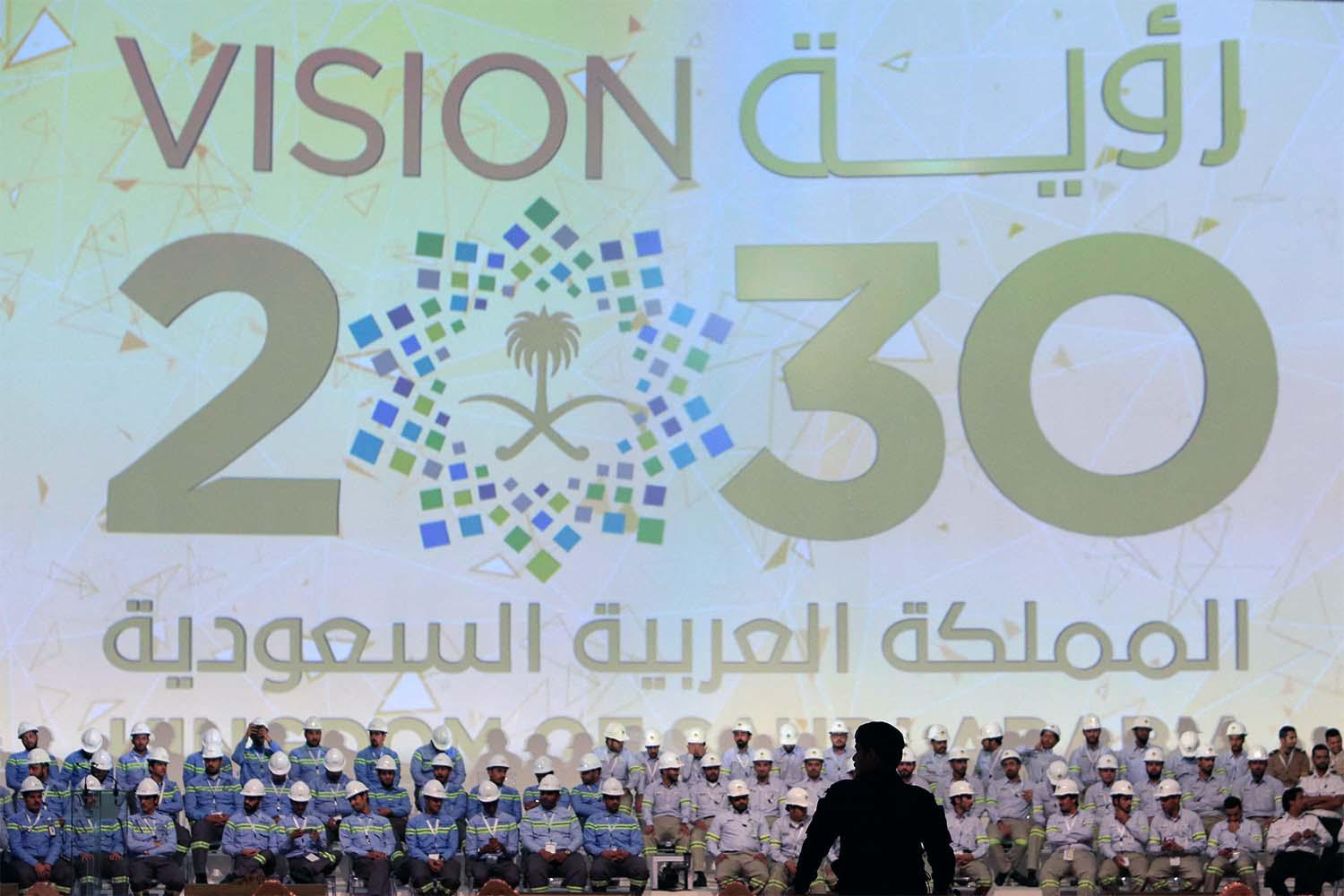
RIYADH – A Bloomberg report published on Tuesday revealed that Saudi Arabia’s Public Investment Fund (PIF) has approached some of the kingdom’s richest families, urging them to increase their investments in domestic projects. The outreach comes as the sovereign wealth fund reassesses — and in some cases potentially cancels or scales back — several flagship mega-projects central to Crown Prince Mohammed bin Salman’s Vision 2030 economic diversification plan.
The PIF, which manages assets exceeding $1 trillion and serves as the primary engine for Vision 2030, is navigating mounting fiscal pressures. These include persistent budget deficits, subdued oil prices, an $8 billion writedown on gigaproject investments announced in 2025, and liquidity constraints that have limited its ability to fund ambitious initiatives at previous levels.
With government borrowing accelerating and banks tightening lending, the fund is widening its search for capital sources beyond traditional channels.
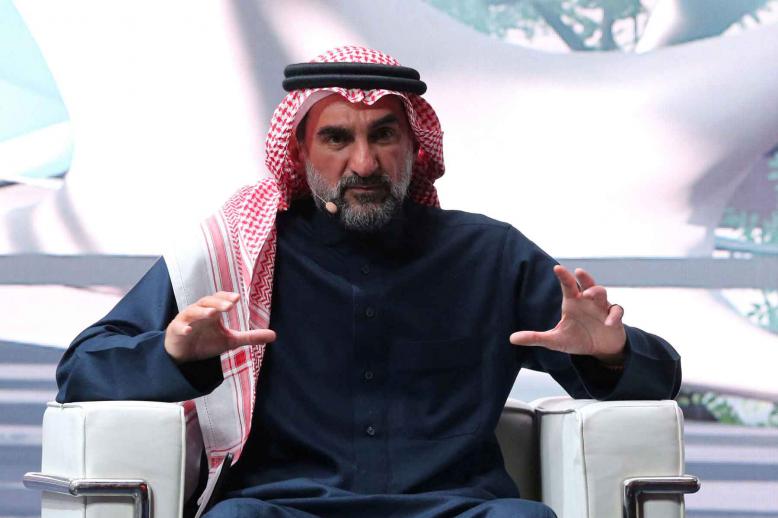
According to Bloomberg’s report, the PIF has turned to prominent Saudi business families and family offices — many with deep historical ties to the ruling Al Saud family and longstanding conglomerates in sectors like construction, retail, and manufacturing. These families are being encouraged to deploy more capital into local developments, reflecting a broader push to crowd in private sector participation and reduce reliance on public funds.
The appeal taps into a growing sense of nationalistic pride among these investors, who are increasingly formalizing their strategies through family offices and seeking opportunities aligned with the kingdom’s long-term goals.
The move aligns with recent signals from Saudi officials. Investment Minister Khalid al-Falih urged the PIF last year to ease domestic spending and create space for private sector involvement, while Finance Minister Mohammed al-Jadaan emphasized in late 2025 that the kingdom has “no ego” in canceling or adjusting mega-projects if they prove inefficient. This pragmatic stance has become more pronounced amid economic headwinds.
Several high-profile Vision 2030 initiatives are under scrutiny. Neom, the futuristic $500 billion Red Sea city project, has faced repeated delays, budget overruns, and scaled-back ambitions — including reductions to The Line linear city concept.
In January 2026, reports emerged that construction on The Mukaab — a colossal cube-shaped skyscraper at the heart of Riyadh’s New Murabba development — has been suspended while its financing and feasibility are reassessed.
Other projects, such as luxury Red Sea resorts and aspects of Trojena (originally tied to the now-postponed 2029 Asian Winter Games), have seen spending cuts, layoffs, and revised projections.
The PIF has shifted strategic priorities toward sectors promising quicker returns and more sustainable growth, including logistics, mining, artificial intelligence infrastructure, religious tourism, and preparations for major upcoming events like Expo 2030 and the 2034 FIFA World Cup.
While no major project has been fully scrapped, budget reductions of 20-60% across portfolio companies have slowed progress and triggered operational adjustments.
This domestic focus represents an evolution from earlier years, when the PIF aggressively pursued global investments in technology, sports, and entertainment.
Recent years have seen a pivot inward, with international holdings shrinking as a share of the portfolio and more resources directed toward bolstering the local economy.
The fund has also explored new funding avenues, such as debt issuances, co-investments with global managers, and partnerships with institutions like Japanese banks.
For Saudi Arabia’s wealthiest families, the PIF’s call presents both opportunity and expectation. Many already benefit from close relationships with state entities and have historically invested in PIF-backed ventures.
The push could accelerate private credit growth, family office development, and participation in scalable projects that support job creation and non-oil revenue growth — key pillars of Vision 2030.
With oil revenues unlikely to return to past highs soon, the kingdom is betting on diversified funding sources and disciplined project execution to sustain momentum.