
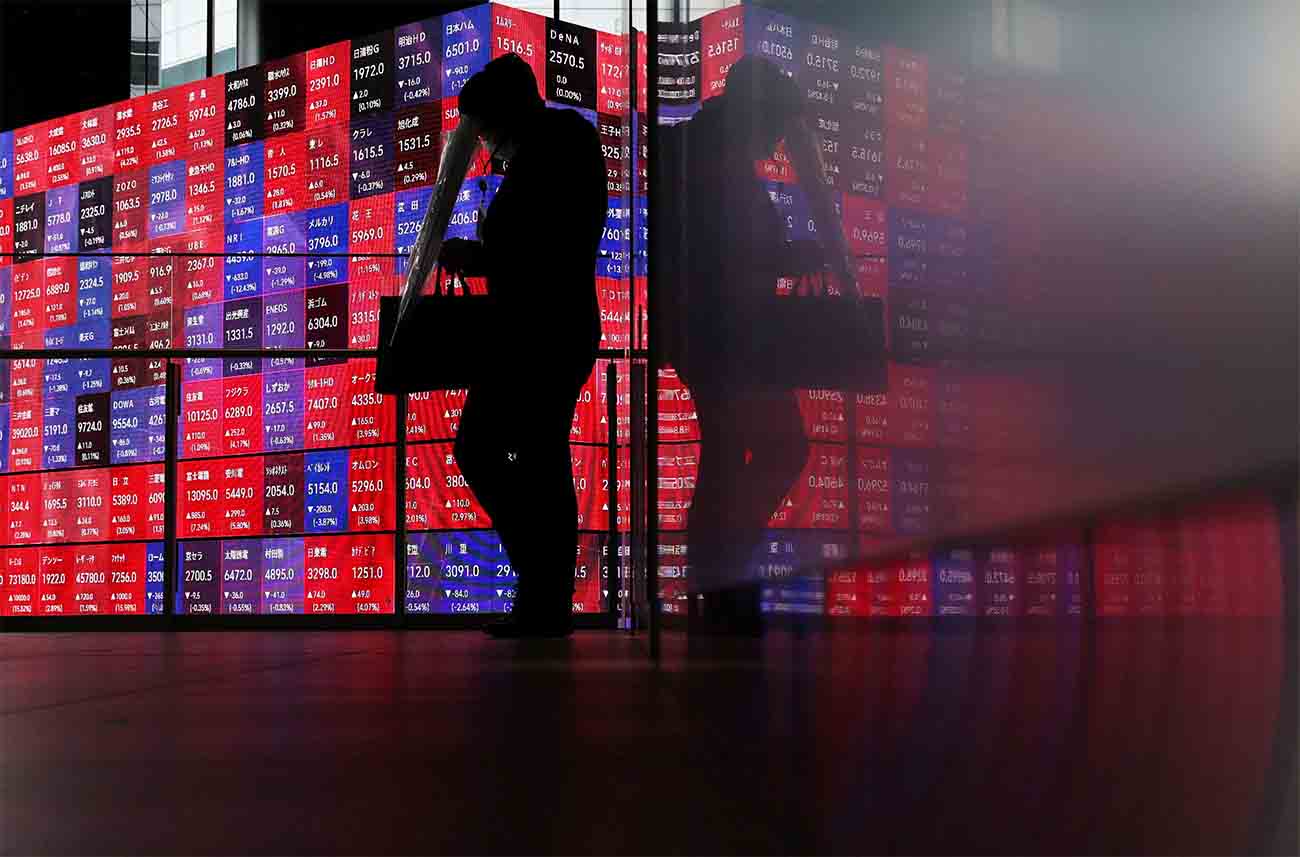
The most alarming development in this new era is what analysts now call "Kinetic Insider Trading"
The digital casino of conflict: How 'death bets' are hijacking global diplomacy
On platforms like Polymarket and Kalshi, anonymous traders are betting billions of dollars on the failure of peace. This shift has transformed global security from a matter of public interest into a private financial derivative.
Wednesday 29/04/2026
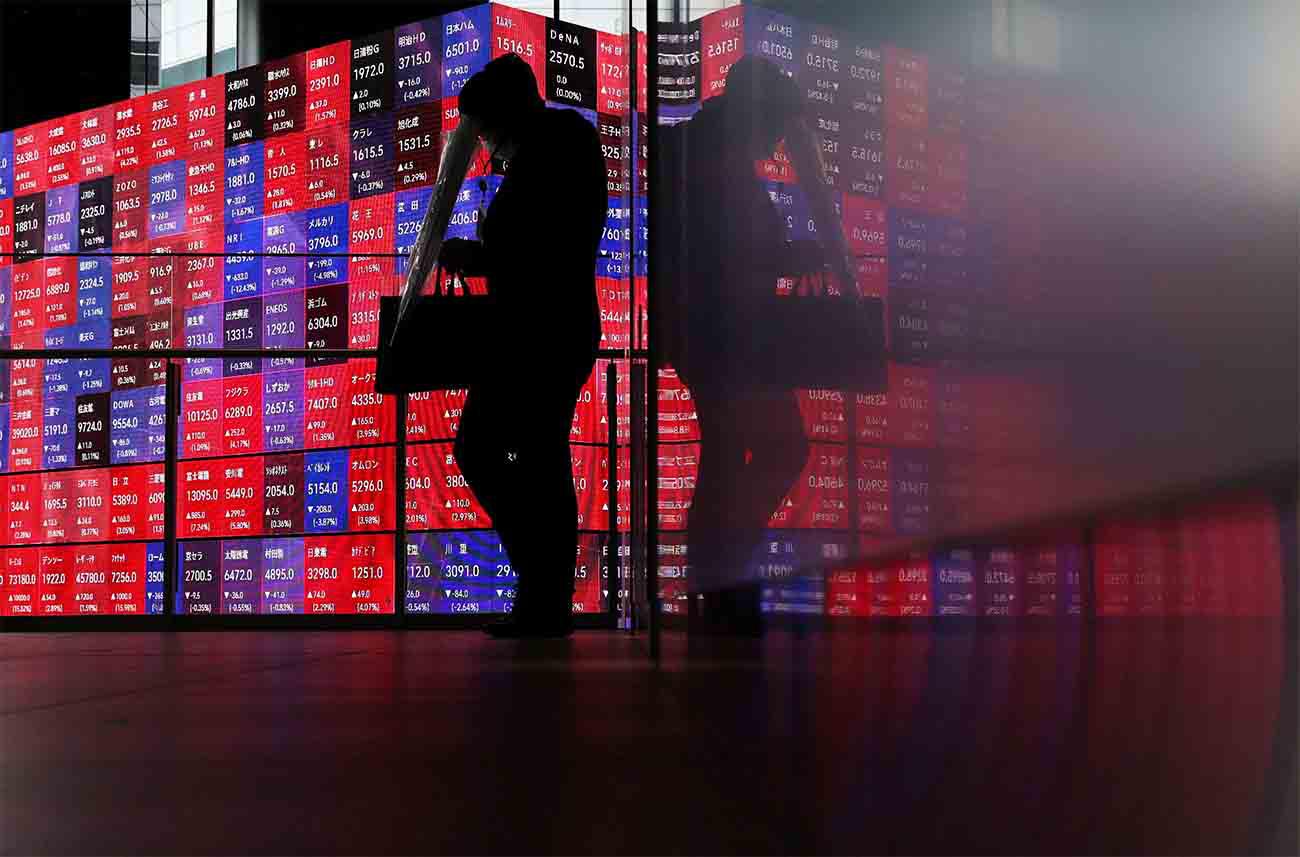
The most alarming development in this new era is what analysts now call "Kinetic Insider Trading"
The year 2026 has introduced a terrifying new dimension to international relations. For decades, diplomacy was conducted in quiet rooms by state officials seeking to avoid catastrophe. Today, those same diplomatic efforts are being shadowed by a digital "Casino of Conflict." On platforms like Polymarket and Kalshi, anonymous traders are betting billions of dollars on the failure of peace. This shift has transformed global security from a matter of public interest into a private financial derivative. For the first time in history, there is a massive financial incentive to ensure that wars continue and peace deals fail.
The Rise of "Kinetic Insider Trading"
The most alarming development in this new era is what analysts now call "Kinetic Insider Trading." This occurs when individuals with access to classified military information use that knowledge to profit on prediction markets. The evidence is no longer theoretical. On February 27, 2026, a strange pattern was observed on the blockchain. Sixteen anonymous accounts placed massive "Yes" bets that a military strike would occur against Iran within 24 hours.
The next day, the United States and Israel launched a joint operation. The timing was too precise to be a coincidence. These traders did not guess correctly; they likely had access to the military schedule. In traditional finance, this would lead to immediate prison sentences. In the unregulated world of crypto-betting, it led to millions of dollars in profit. This creates a dangerous reality where the "War Room" has become a source of financial tips for a select few.
The Precedent of Venezuela
This model of profiting from conflict was perfected earlier in 2026. In January, traders on Polymarket began placing heavy bets that Venezuelan President Nicolás Maduro would be removed from power. Just one day later, American troops intervened and arrested him. The speed of the market reaction suggested that the outcome was known to gamblers before it was known to the public.
This successful "test case" proved that war could be a highly profitable business model for those in the know. Now, the same logic is being applied to the Middle East. Whether it is the assassination of a high-ranking official or the destruction of a nuclear facility, every human tragedy is now a "market event." This turns the most horrific human experiences into a spectator sport for anonymous investors.
The Inner Circle and the Conflict of Interest
The integrity of global leadership is being eroded by these financial ties. Recent investigative reports by the BBC and Al Jazeera have pointed to significant conflicts of interest within the American presidency. Allegations suggest that family members of the president hold significant stakes in the very platforms where these war bets are placed.
Furthermore, Defense Secretary Pete Hegseth has faced accusations of purchasing shares in major defense companies just before military escalations. When the officials responsible for deciding on war are the same ones who profit from the stock market and gambling apps, the pursuit of peace becomes a financial liability. Every day that a conflict continues, the value of defense stocks and the volume of gambling activity increase. This creates a "War-Betting Industrial Complex" that operates independently of the national interest.
Diplomacy as a Marketing Tool
In April 2026, diplomacy itself became a tool for market manipulation. During high-stakes negotiations facilitated by Pakistan and Turkey, the White House issued a series of contradictory statements. One hour, a peace deal was "imminent." The next hour, war was "inevitable."
This confusion was not the result of poor communication. It was a strategy to create market volatility. In the digital gambling markets, categories like "Will JD Vance visit Pakistan?" became high-volume betting arenas. By creating confusion about the Vice President's travel plans, "insiders" were able to swing the betting odds and profit from the chaos. This reduces serious international efforts to a reality television show designed to maximize betting volume.
The Information Blockade and the Death of Truth
The "Casino of Conflict" is also waging a war against the truth. In mid-April, an Israeli journalist, Emmanuel Fabian, reported that an Iranian missile had successfully hit Jerusalem. While the physical damage was limited, the psychological impact was significant. Immediately after his report, the journalist faced intense threats and pressure to "modify" his findings.
The pressure did not come from the military for security reasons. It came from gamblers. If the missile hit its target, those who had bet millions of dollars that the defense system would "intercept everything" would lose their money. This proves that in 2026, objective reality must now answer to the financial interests of the betting markets. If a fact hurts a gambler’s wallet, that fact is targeted for elimination.
The Manipulation of Energy Markets
The manipulation extends to the global energy supply. When Iran offered a "goodwill gesture" by opening the Strait of Hormuz to lower tensions, the American presidency responded with aggression. They refused to lift the naval blockade and seized a commercial vessel coming from China.
These aggressive moves were designed to keep oil prices high and volatile. Every time a ship is seized or a blockade is tightened, the price of oil fluctuates, and betting activity on prediction markets spikes. This "artificial tension" allows traders with inside information to short the energy market or bet on price increases with total certainty. The global economy is being held hostage by a small group of people who benefit from high fuel prices and regional instability.
The Moral Imperative: Closing the Casino
The international community is currently in a race against time. The U.S. Congress has introduced the "DEATH BETS Act" (H.R. 7942) to ban gambling on war and assassinations. However, the platforms involved are already worth billions of dollars and operate on decentralized technology that is difficult to regulate.
We must realize that "War Markets" are a fundamental threat to global security. They turn human life into a financial derivative and dehumanize the victims of conflict. A family in a potential blast zone is no longer a human concern; they are a data point on a trader's dashboard.
As of late April 2026, the investigation into "Kinetic Insider Trading" is expanding. The world is beginning to see that the erratic behavior of global leaders is often a symptom of financial greed rather than political confusion.
The successful mediation efforts in Islamabad have proven that peace is possible when diplomats act with sincerity. However, they are fighting against a digital monster that thrives on chaos. We must decide if we want a future decided by the hard work of diplomats or the greedy clicks of anonymous traders. If we do not close the "Casino of Conflict" soon, the house will eventually win, and the entire world will pay the price in blood and treasure.