

A blatant threat
Trump vows to 'blow up' Oman if It tries to control Strait of Hormuz
The US President threatens military action against the Sultanate if it attempts to impose control over the strait as Muscat and Tehran are seeking to establish a joint security system to manage the strait.
Thursday 28/05/2026
A blatant threat
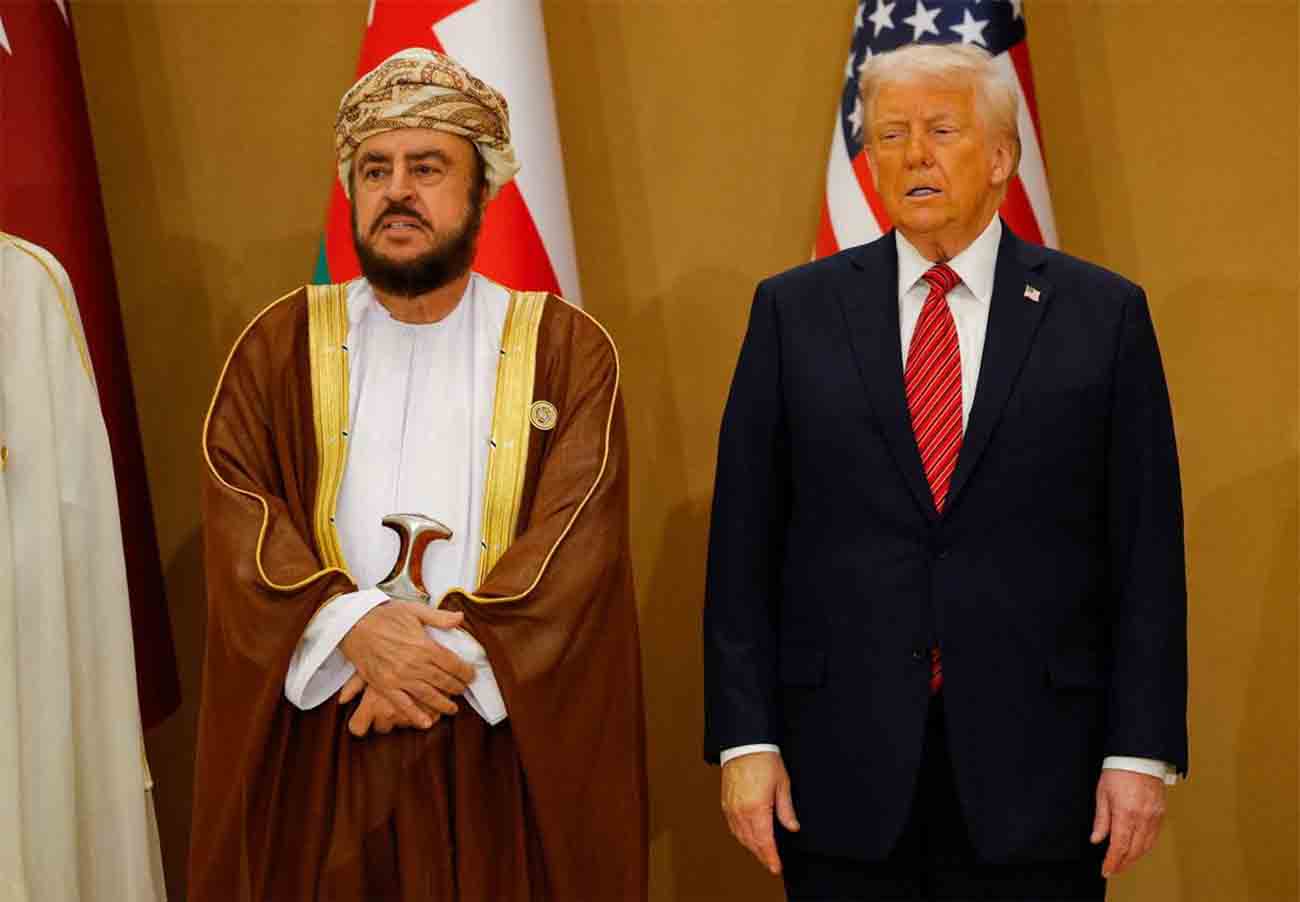
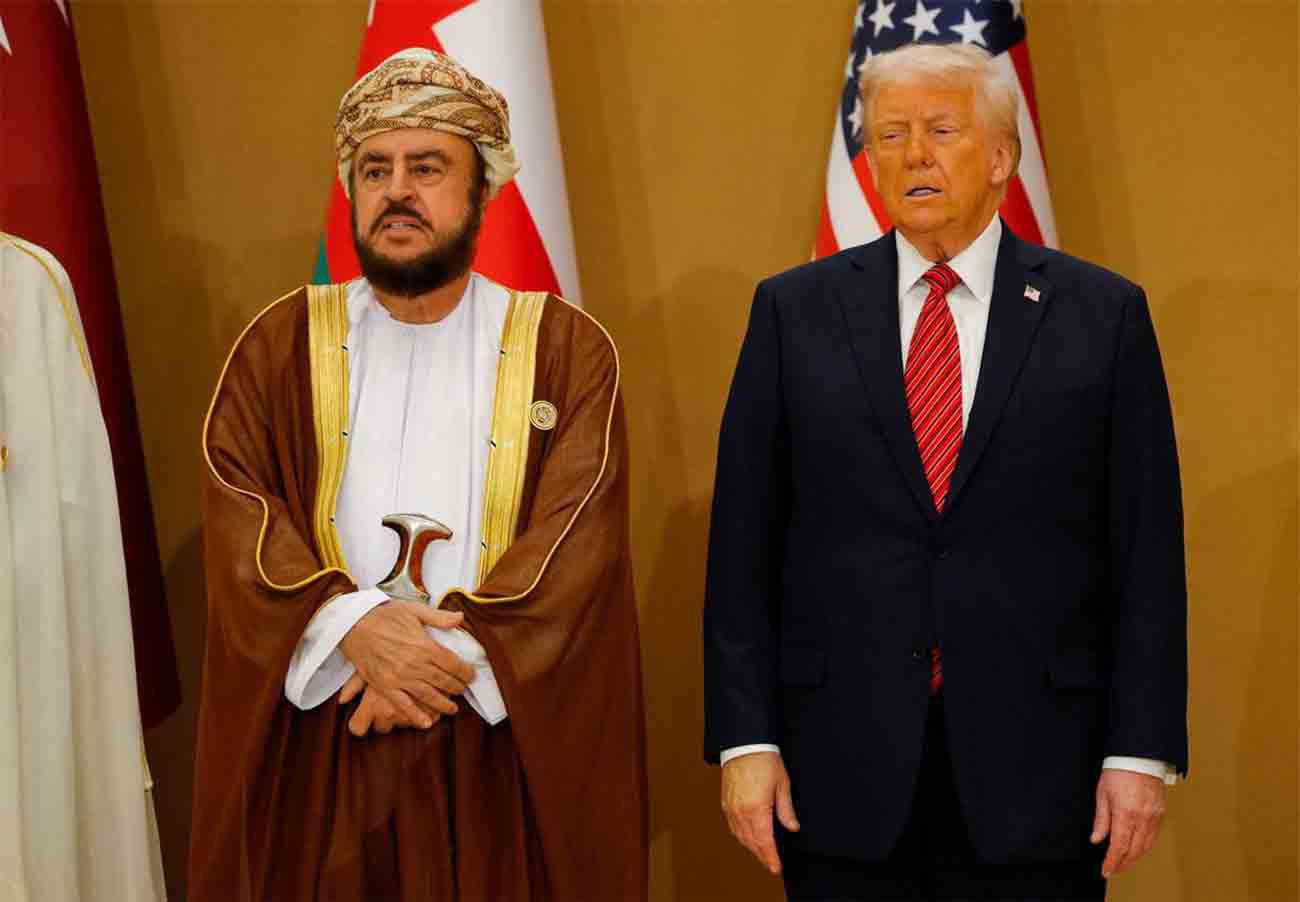
WASHINGTON — In a sudden escalation reflecting the complexities and regional repercussions of the US-Iranian confrontation, US President Donald Trump has sparked widespread controversy with sharp statements regarding the future of the Strait of Hormuz and the Sultanate of Oman’s role in it. Trump asserted that the United States will "guard" the strategic maritime corridor, issuing an unprecedented threat to Muscat if it attempts, as he put it, to impose control over the strait.
During a cabinet meeting at the White House, Trump emphasized that the Strait of Hormuz "will remain open to everyone," rejecting any arrangements that would grant Iran or Oman unilateral leverage over one of the world's most critical waterways, through which a significant portion of Gulf oil and gas exports passes.
Responding to a question regarding the possibility of accepting transitional arrangements for the management of the strait, the US President said: "No, the strait will be open to everyone. It is international waters, and no one will control it. We will guard it."
He then added, in remarks that caused a diplomatic shock: "Oman will behave like any other country, otherwise we will have to blow them up," before rephrasing it to say: "If they don't behave, we will have to blow them up."
The White House did not issue any subsequent official clarification as to whether Trump's remarks represented a slip of the tongue or if he intended to refer to Iran instead of the Sultanate of Oman—especially given that the latter is considered a traditional ally of Washington and a key partner in regional mediation efforts, particularly on matters related to Tehran.
However, the US State Department's redistribution of the video clip and the full transcript of Trump's remarks without any correction or clarification added a further layer of seriousness to the statements, reducing the likelihood that it was merely a slip of the tongue.
These statements come amid ongoing, unannounced negotiations regarding the future of maritime security in the Strait of Hormuz, driven by Iranian efforts to reshape naval arrangements in the region away from US military influence.
Iranian Foreign Ministry Spokesperson Esmaeil Baghaei had previously asserted that the management of the strait "has nothing to do with the United States," noting that coordination is taking place exclusively between Tehran and Muscat.
In the same context, Ali Bagheri Kani, Deputy Secretary of Iran's Supreme National Security Council, revealed that Iran and the Sultanate of Oman are engaged in joint discussions to establish a "new system" for vessel transit through the Strait of Hormuz. Observers view this move as an attempt to establish security arrangements led by regional states rather than Western alliances.
Analysts believe that Oman is attempting to leverage its balanced relations with Washington, Tehran, and the Gulf states to play a pivotal mediating role in any new security equation concerning the strait, while emphasizing that the security of maritime corridors must remain a regional responsibility.
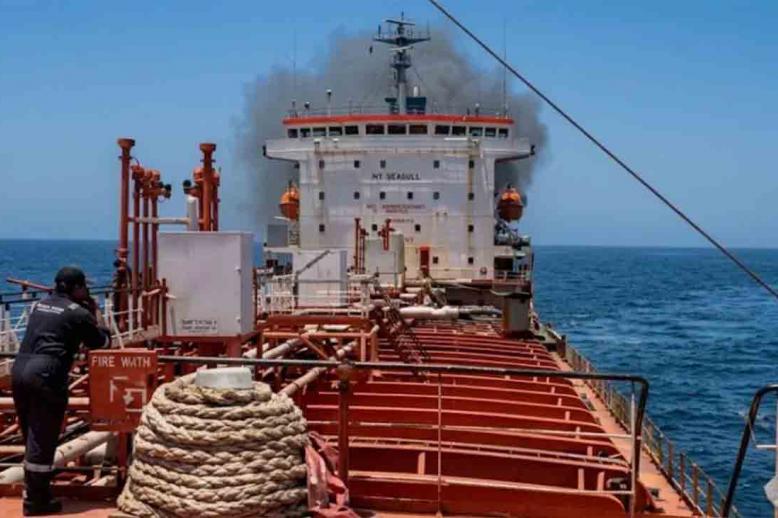
This political dispute comes at a time when the fallout from the recent military confrontation between the United States and Israel on one side, and Iran on the other, continues to weigh heavily on global energy markets. Since the outbreak of hostilities on February 28, prior to the declaration of a truce between Washington and Tehran on April 8, the Strait of Hormuz has experienced severe disruptions that led to what resembled a de facto ban on shipping traffic.
This was directly reflected in oil prices, which surged past $111 per barrel amid fears of widespread disruptions to global energy supplies and rising costs for fuel and industrial products in numerous countries.
In parallel, Trump appeared confused on more than one occasion. He had previously mixed up Iran and Venezuela when speaking about a country that "no longer has a navy or an air force"—a phrasing he has frequently used to describe Iran following the recent US and Israeli strikes.
He also created ambiguity regarding the path of the Iranian nuclear deal and the future of the "Abraham Accords," before deferring some questions to his advisor, who confirmed ongoing US efforts to push more Arab countries, including Saudi Arabia and Qatar, to join the accords.