


Accused of forced displacement
EU expands sanctions regime to target Israeli settlers, Hamas officials
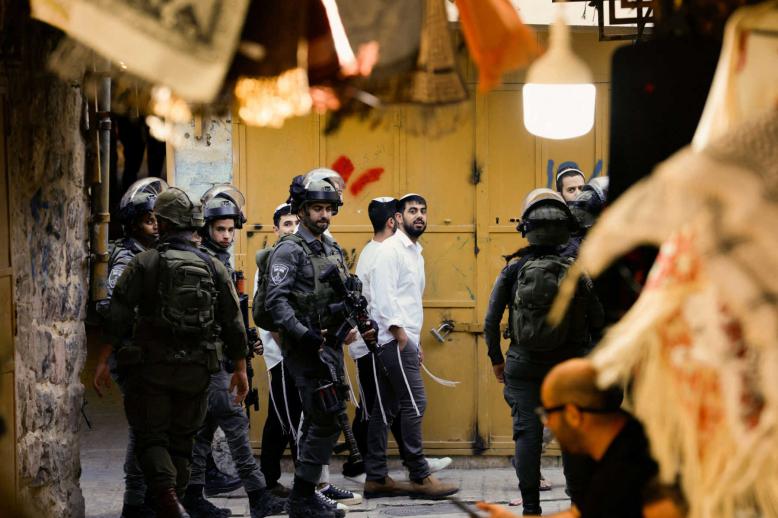
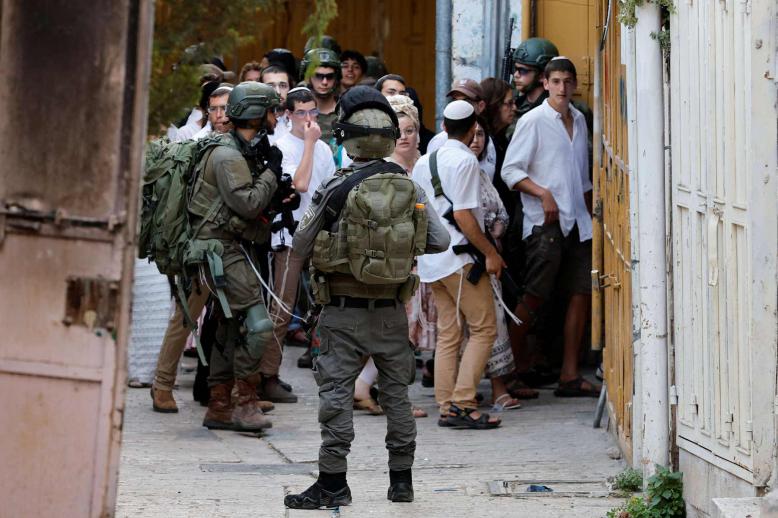
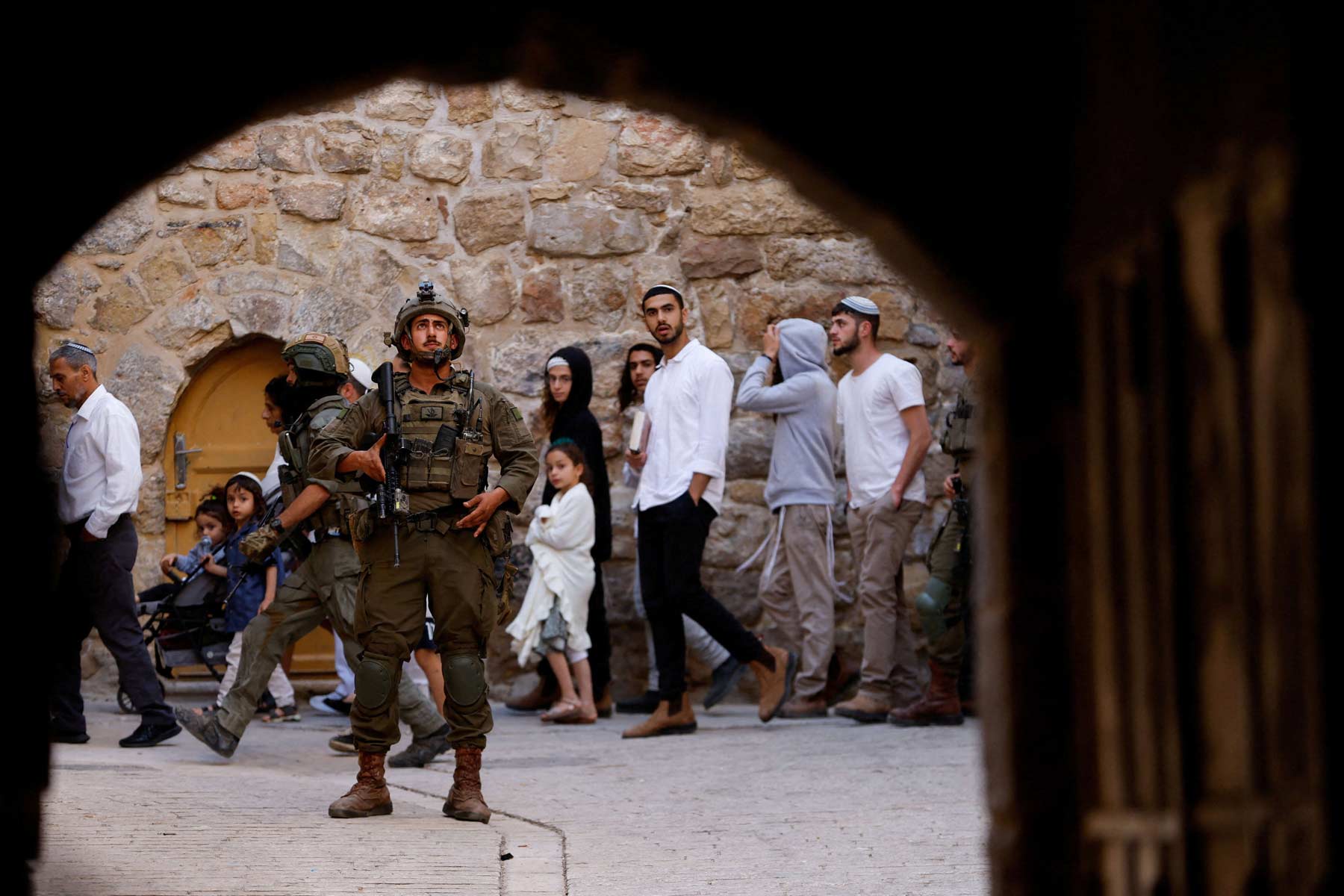
The EU Council said the sanctions targeted “extremist Israeli settlers and organisations which support them” and were adopted under the bloc’s Global Human Rights Sanctions Regime.
Friday 29/05/2026

Accused of forced displacement
BRUSSELS – The European Union imposed sanctions on four Israeli settler organisations and three prominent figures linked to the settlement movement on Thursday, accusing them of serious and systematic human rights abuses against Palestinians in the occupied West Bank.
The move marks one of the strongest actions taken so far by the EU against extremist settler networks amid mounting international concern over escalating violence, forced displacement and settlement expansion in Palestinian territories.
In a statement, the EU Council said the sanctions targeted “extremist Israeli settlers and organisations which support them” and were adopted under the bloc’s Global Human Rights Sanctions Regime.
The measures include asset freezes and travel bans against those designated, alongside a prohibition on making funds or economic resources available to them either directly or indirectly.
The Council said the sanctions were aimed at individuals and organisations responsible for abuses against Palestinians, including violations of “the right to physical and mental integrity, property rights, private and family life, freedom of religion and the right to education.”
Among those sanctioned is the Nachala Settlement Movement and its director Daniella Weiss, one of the most prominent figures in Israel’s settler movement.
According to the EU, Nachala has encouraged and facilitated coercive actions that contributed to the forced displacement of Palestinians from their communities.
The bloc said several settlement outposts linked to the organisation were built on privately owned Palestinian land and had become “persistent sources of settler violence” that obstructed Palestinian access to agricultural and grazing areas.
The Council also sanctioned the Israeli NGO Regavim and its director Meir Deutsch, accusing the organisation of lobbying for the demolition of Palestinian homes and infrastructure in order to expand Israeli control across the West Bank.
EU officials specifically referred to Regavim’s campaign targeting an EU-funded Palestinian primary school in the village of Jabbet al-Dhib near Bethlehem.
Another organisation placed under sanctions was Hashomer Yosh and its president Avichai Suissa. The EU accused the group of providing material support and armed volunteers to violent settlement outposts across the West Bank.
According to the Council, the organisation coordinated volunteers and guards involved in attacks against Palestinians and supported at least 28 violent outposts and settlements.
The sanctions list also included the Amana cooperative association, linked to the Gush Emunim settler movement, which the EU said had played a key role in financing and facilitating dozens of settlement outposts.
European officials accused Amana of helping establish at least 30 violent outposts and settlements associated with displacement and dispossession of Palestinian communities.
The latest measures implement a political agreement reached by EU foreign ministers in May and reflect growing European frustration over continued violence by settlers and the expansion of settlements widely regarded by the international community as illegal under international law.
The European Council had previously condemned what it described as ongoing extremist settler violence and called for additional restrictive measures.
At the same time, the EU broadened the scope of its sanctions regime targeting Hamas and the Palestinian Islamic Jihad to include members of Hamas’ political bureau who “promote, defend or justify acts of violence.”
The dual-track move appeared aimed at signalling that Brussels intends to increase pressure on actors on both sides of the conflict amid continuing instability in Gaza and the occupied West Bank.
The sanctions come against the backdrop of intensifying international scrutiny of Israel’s conduct in the Palestinian territories following the Gaza war and the surge in settler violence in the West Bank.
Human rights groups and UN officials have repeatedly warned that attacks by armed settlers, combined with settlement expansion and restrictions on Palestinian movement, have accelerated displacement in vulnerable Palestinian communities.
The EU’s Global Human Rights Sanctions Regime, introduced in 2020, allows the bloc to target individuals and entities responsible for grave human rights abuses worldwide, including torture, arbitrary detention, extrajudicial killings and crimes against humanity.
With the latest designations, EU sanctions under the regime now apply to 136 individuals and organisations across multiple countries.
The decision is likely to further strain already tense relations between Israel and several European governments, particularly as divisions deepen internationally over the war in Gaza, settlement expansion and the future of a Palestinian state.
Israeli officials have frequently rejected international criticism of settlement policy and accused European governments of political bias, while settler leaders insist they are defending Jewish historical and security claims in the West Bank.
The sanctions also underscore widening concern within Europe that continued settlement expansion and settler violence are undermining prospects for a future political settlement and further destabilising the region.