

Concerns come at a particularly sensitive moment for Zaidi's government
Iraq under pressure as Iran-backed factions threaten US targets
The challenge remains formidable. Several ideological factions continue to view themselves as part of a wider regional project linked to Iran rather than solely as Iraqi actors.
Tuesday 09/06/2026
Concerns come at a particularly sensitive moment for Zaidi's government
BAGHDAD – Iraq is scrambling to prevent its territory from becoming a new battleground in the escalating confrontation between Iran and Israel, as Prime Minister Ali al-Zaidi faces one of the most serious tests yet of his pledge to bring all weapons under state control.
Although Iran and Israel announced on Monday that they had halted attacks on each other following an appeal by US President Donald Trump, tensions remain high after Tehran warned it could resume strikes if Israel continued targeting Iran-backed Hezbollah in Lebanon.
For Iraqi officials, the temporary pause has done little to ease fears that the country could be drawn into a broader regional conflict through the actions of powerful Iran-aligned armed factions operating on its territory.
The latest crisis began after Iran launched ballistic missiles at northern Israel in response to Israeli strikes against Hezbollah positions near Beirut. The exchange marked the most direct confrontation between the two regional rivals since the April ceasefire and triggered concerns that the conflict could rapidly expand across several fronts stretching from Lebanon and Syria to Iraq, the Gulf and the Red Sea.
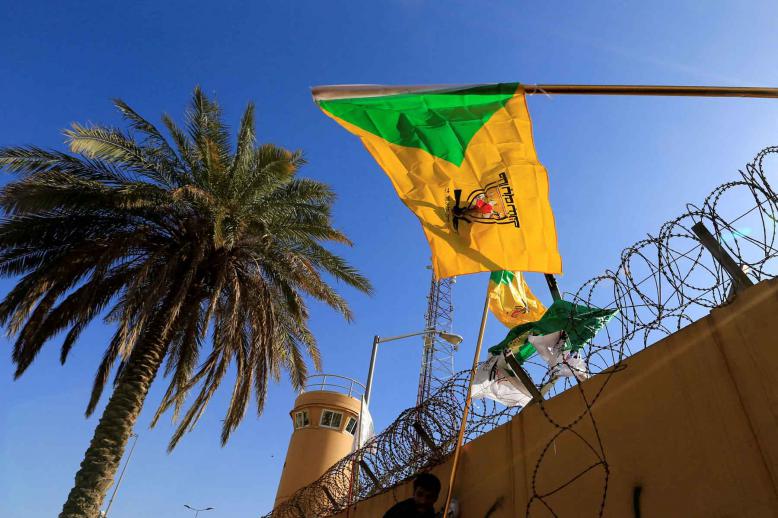
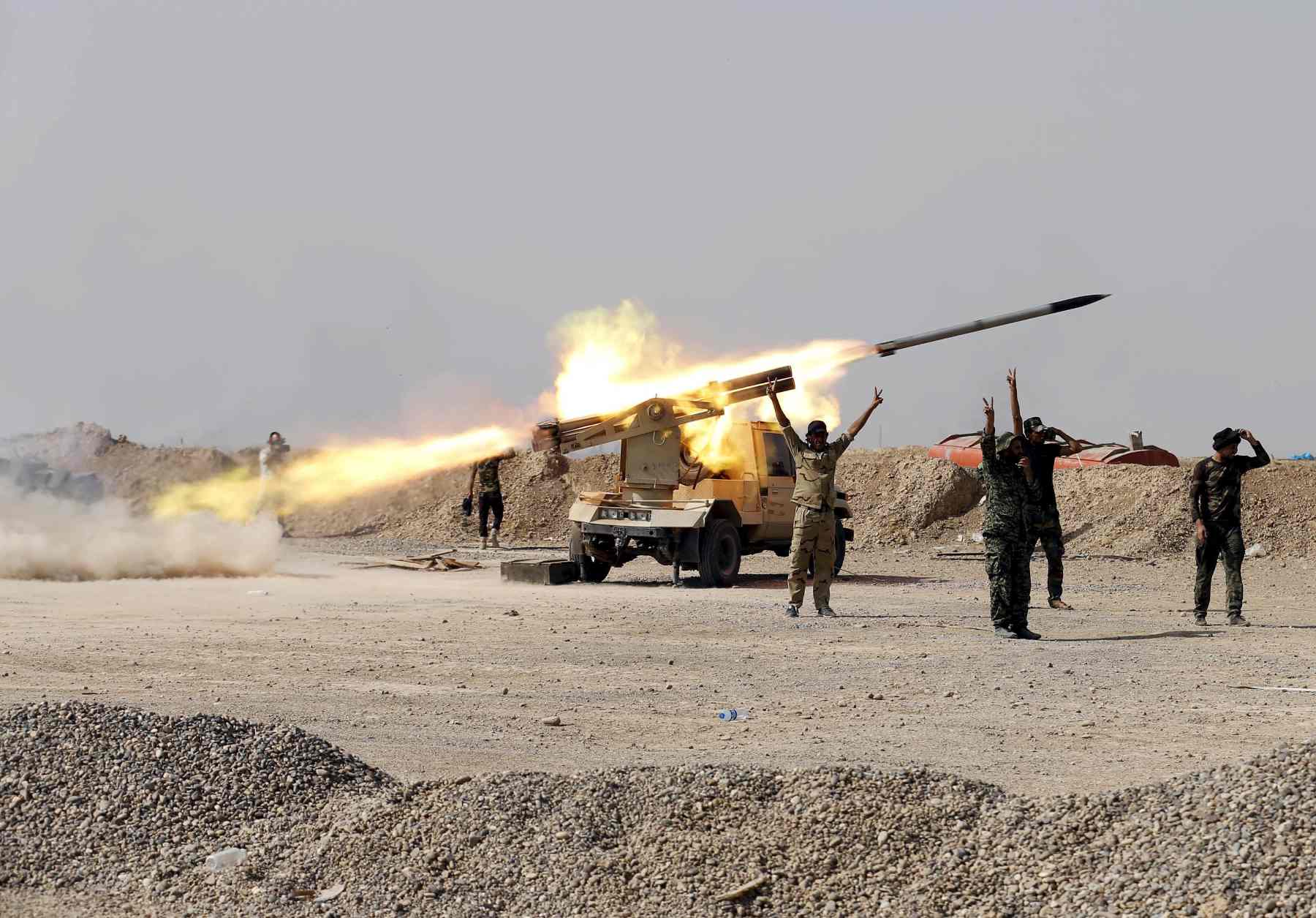
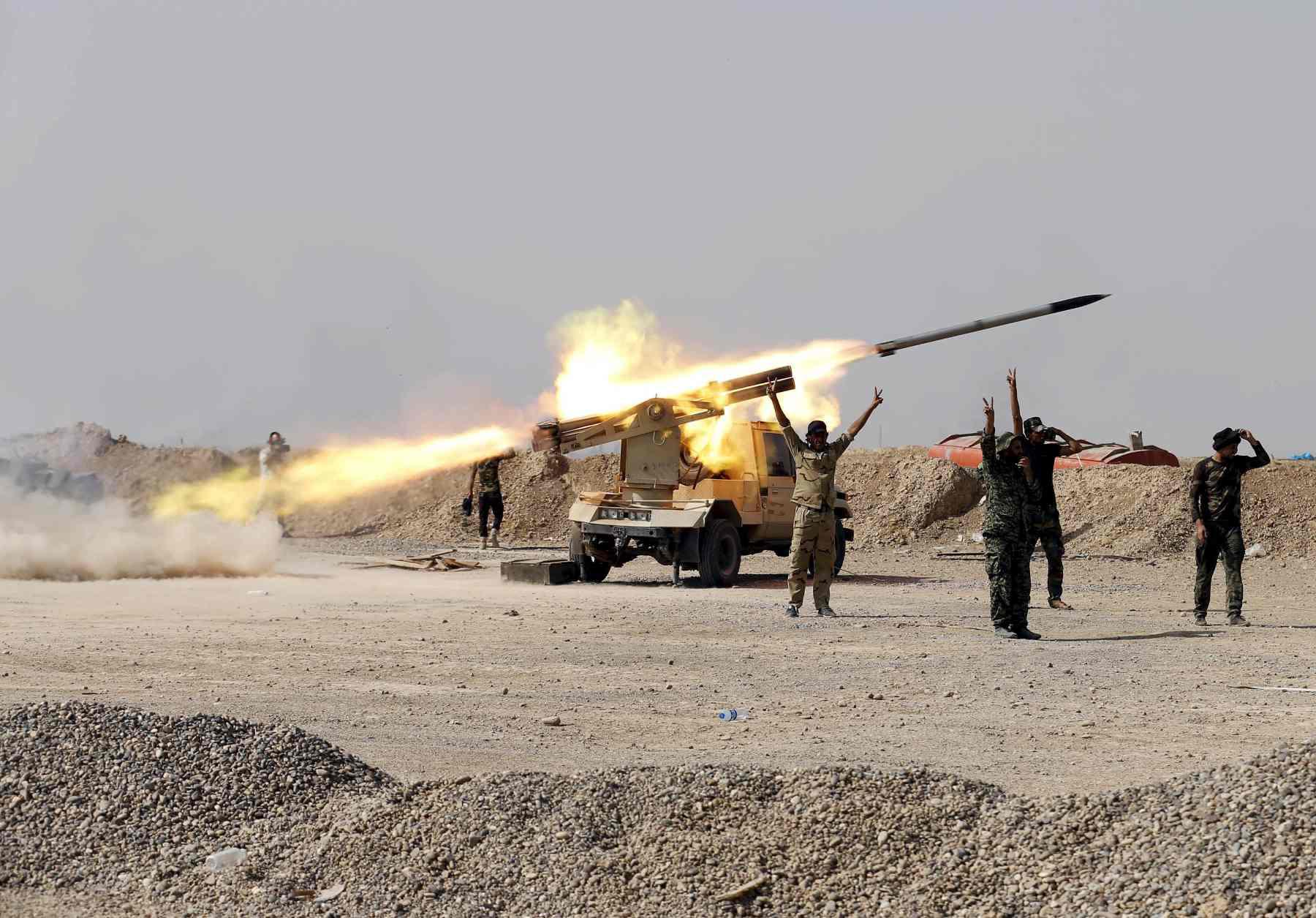
Almost immediately after Iran's missile barrage, Kataib Hezbollah issued a stark warning that any direct US military intervention would trigger attacks against American interests and military facilities across Iraq and the wider region.
The threat highlighted the difficult position facing Baghdad, which remains closely tied to both Washington and Tehran while seeking to avoid becoming a theatre for proxy warfare.
Government officials fear that some factions aligned with Iran's "Axis of Resistance" could see the crisis as justification for retaining their weapons and suspending efforts aimed at integrating into state institutions.
Those concerns come at a particularly sensitive moment for Zaidi's government. In recent weeks, several prominent armed groups, including Asaib Ahl Al Haq and Kataib Imam Ali, announced their willingness to place weapons under state authority, following a similar move by cleric Moqtada Al Sadr's Saraya Al Salam.
The government hailed those steps as important progress towards strengthening state institutions and ending the era of competing armed centres of power.
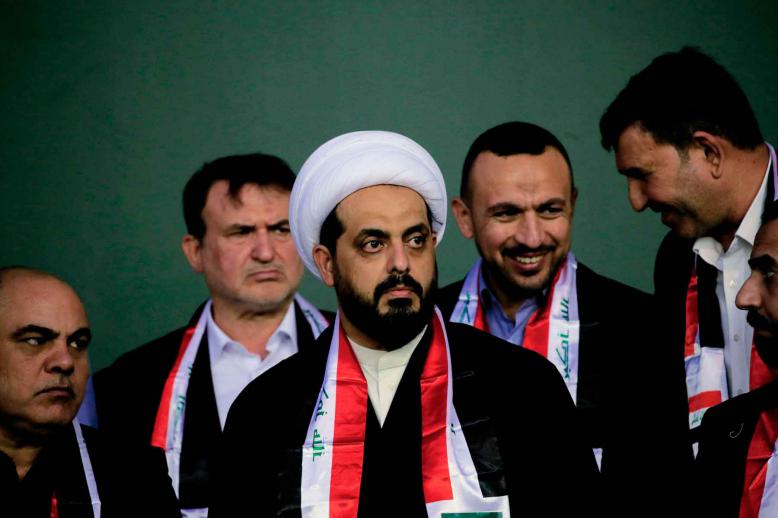
However, other influential factions, notably Kataib Hezbollah and Harakat Hezbollah Al Nujaba, continue to reject disarmament and maintain that the presence of US and foreign forces in Iraq justifies keeping their military capabilities intact.
According to Iraqi security sources, the government has launched an intensive campaign of political contacts and pressure aimed at preventing these groups from becoming involved in any regional escalation.
Prime Minister Zaidi has reportedly warned faction leaders against using Iraqi territory for military operations and stressed that any action outside state authority would be met with legal and security measures.
The effort appears to enjoy broad backing among major Shiite political forces, many of which recognise that a new security crisis could jeopardise years of attempts to stabilise Iraq and rehabilitate its international standing.
Yet the challenge remains formidable. Several ideological factions continue to view themselves as part of a wider regional project linked to Iran rather than solely as Iraqi actors.
Baghdad's concerns are not limited to security issues. Iraqi officials also fear that any militia attacks on US interests could trigger a strong American response at a time when Iraq remains heavily dependent on the US financial system to manage oil revenues and dollar transactions.
The stakes are particularly high given Iraq's fragile economic situation. Rising shipping costs, uncertainty in energy markets and disruptions linked to tensions around the Strait of Hormuz have already increased pressure on public finances and living standards.
Foreign Minister Fuad Hussein discussed the crisis with Iranian Foreign Minister Abbas Araghchi in a telephone call, during which both sides stressed the importance of intensifying diplomatic efforts to reduce tensions and support regional stability.
The broader strategic environment is also becoming increasingly worrying for Baghdad. Iran has signalled through the Houthis that it could seek to disrupt maritime traffic through the Bab Al Mandeb Strait, while shipping through the Strait of Hormuz has already been severely affected by the conflict.
Together, the two waterways form a critical corridor for global energy exports, meaning any prolonged disruption would have consequences extending far beyond the Middle East.
For Iraq, however, the most immediate concern remains domestic. The renewed confrontation between Iran and Israel threatens not only regional stability but also the fragile progress made towards reasserting state authority over armed factions.
Whether Zaidi can prevent Iraq from being pulled into the conflict may ultimately determine both the future of his government and the success of his broader project to restore the primacy of the Iraqi state after years of militia dominance and regional interference.