



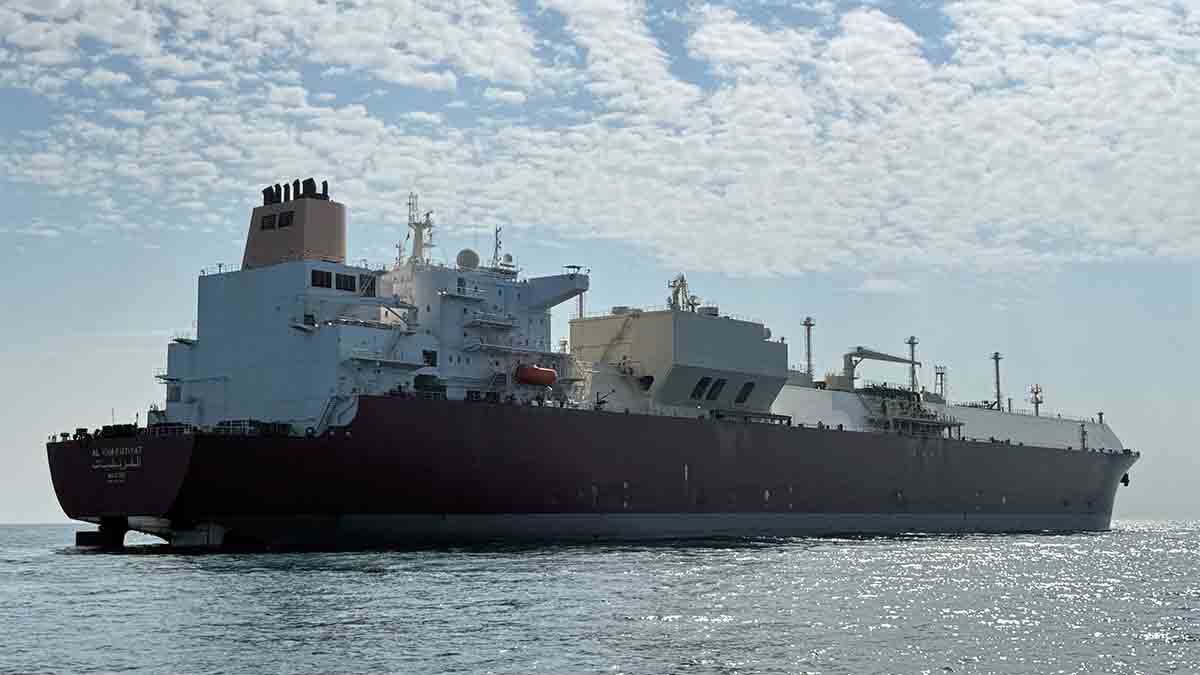
Qatar's Al Kharaitiyat vessel sailed towards the Strait of Hormuz on May 9 en route to Pakistan
Qatar says no special arrangements for energy exports currently
The foreign ministry spokesperson says the ongoing closure of the Strait of Hormuz has introduced significant complexity to supply chains in the region.
Tuesday 19/05/2026
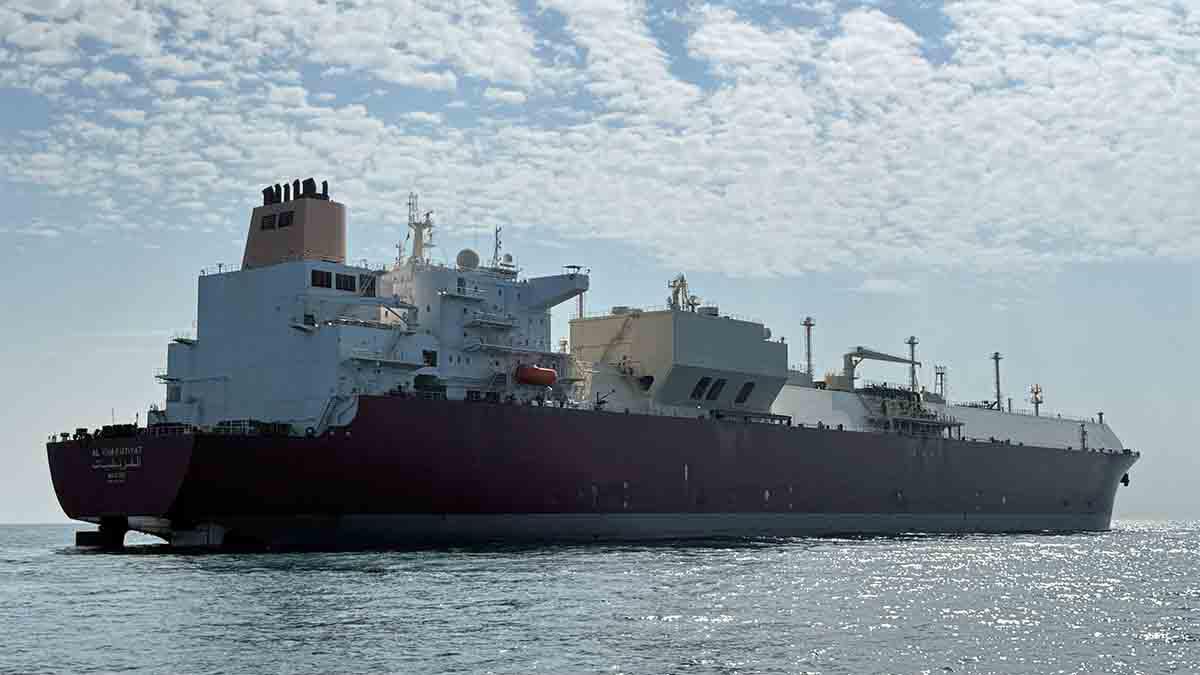
Qatar's Al Kharaitiyat vessel sailed towards the Strait of Hormuz on May 9 en route to Pakistan
DUBAI - Qatar's foreign ministry spokesperson said on Tuesday there were no special arrangements in place for the export of energy products, but that the closure of the Strait of Hormuz had added complexity to supply chains in the region.
Speaking at a press briefing, the foreign ministry spokesperson clarified that Qatari liquefied natural gas (LNG) and petroleum shipments continue to move through standard operational channels. However, the spokesperson explicitly noted that the ongoing closure of the Strait of Hormuz has introduced significant "complexity to supply chains in the region."
The Hormuz Bottleneck
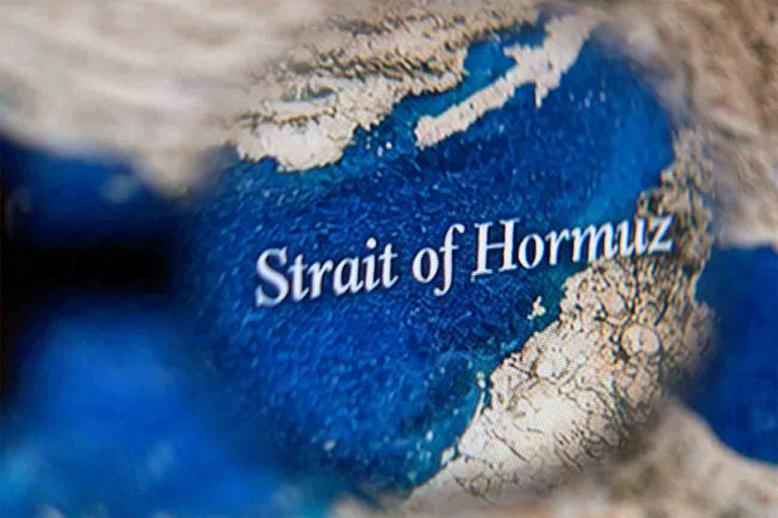
The Strait of Hormuz, a vital maritime artery nestled between Oman and Iran, is responsible for the transit of roughly one-fifth of the world's total liquid petroleum consumption and a massive share of global LNG.
The tightening chokehold and eventual closure of the strait have forced international energy markets and regional producers to constantly recalibrate their logistics. While Qatar remains a powerhouse in global LNG production with long-term supply commitments spanning Europe and Asia, navigating around the closed strait heavily complicates the standard maritime paths out of the Persian Gulf.
Market Implications
Industry analysts indicate that Qatar’s announcement is intended to reassure global markets of its baseline operational stability, even as physical transit routes become more constrained and expensive. Without "special arrangements"—such as alternative overland pipelines or complex swap agreements with neighboring countries outside the Gulf—energy buyers are closely monitoring how prolonged maritime disruptions will impact shipping insurance premiums, transit times, and overall global supply reliability.