

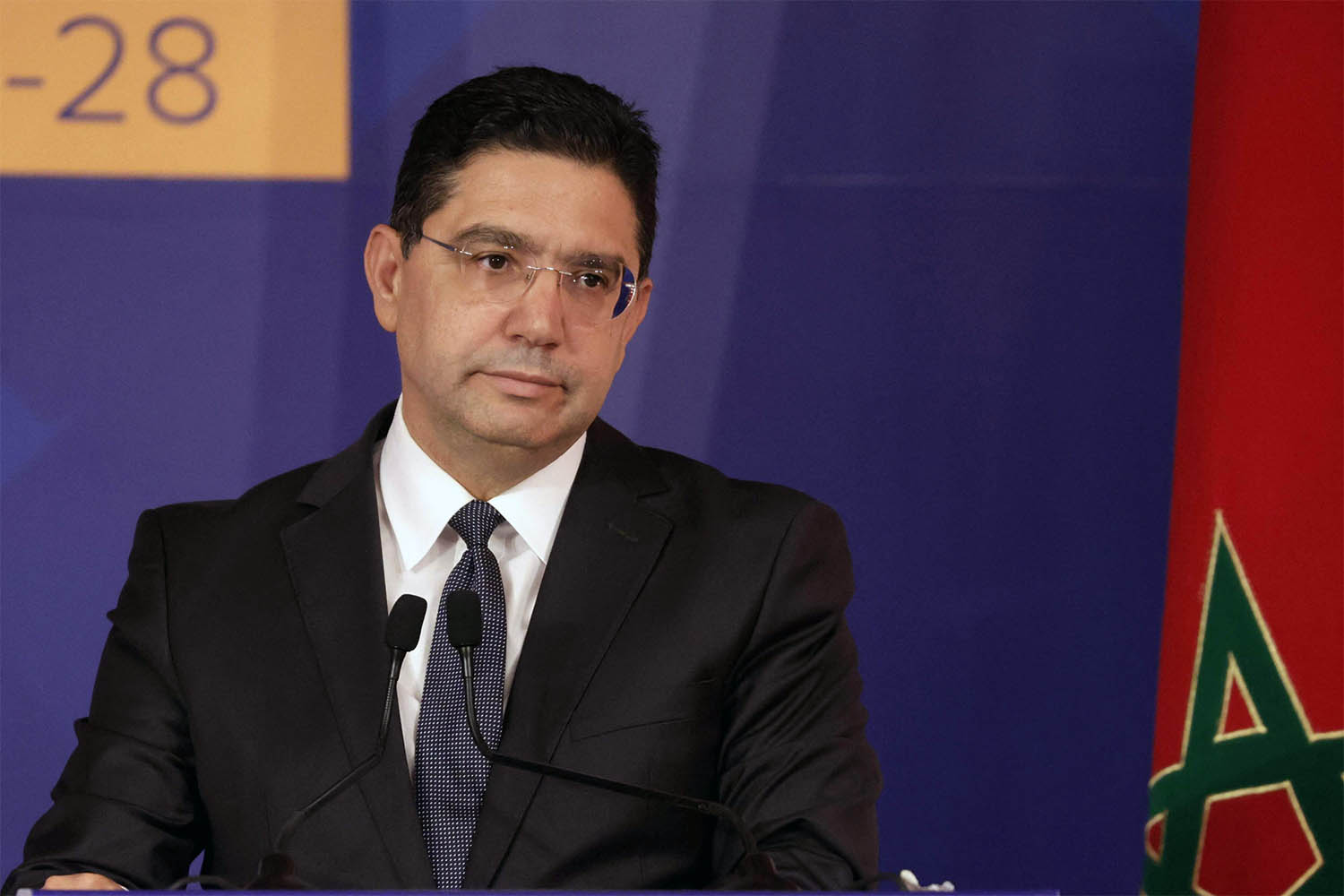
Morocco's Foreign Minister Nasser Bourita
Rabat reframes the Euro-Mediterranean agenda: Bourita links future partnership to ending Gaza genocide
Morocco’s Foreign Minister went beyond diplomatic niceties, insisting that what is happening in Gaza is a test of conscience for all of us and a measure of the credibility of the Euro-Mediterranean space.
Monday 15/09/2025
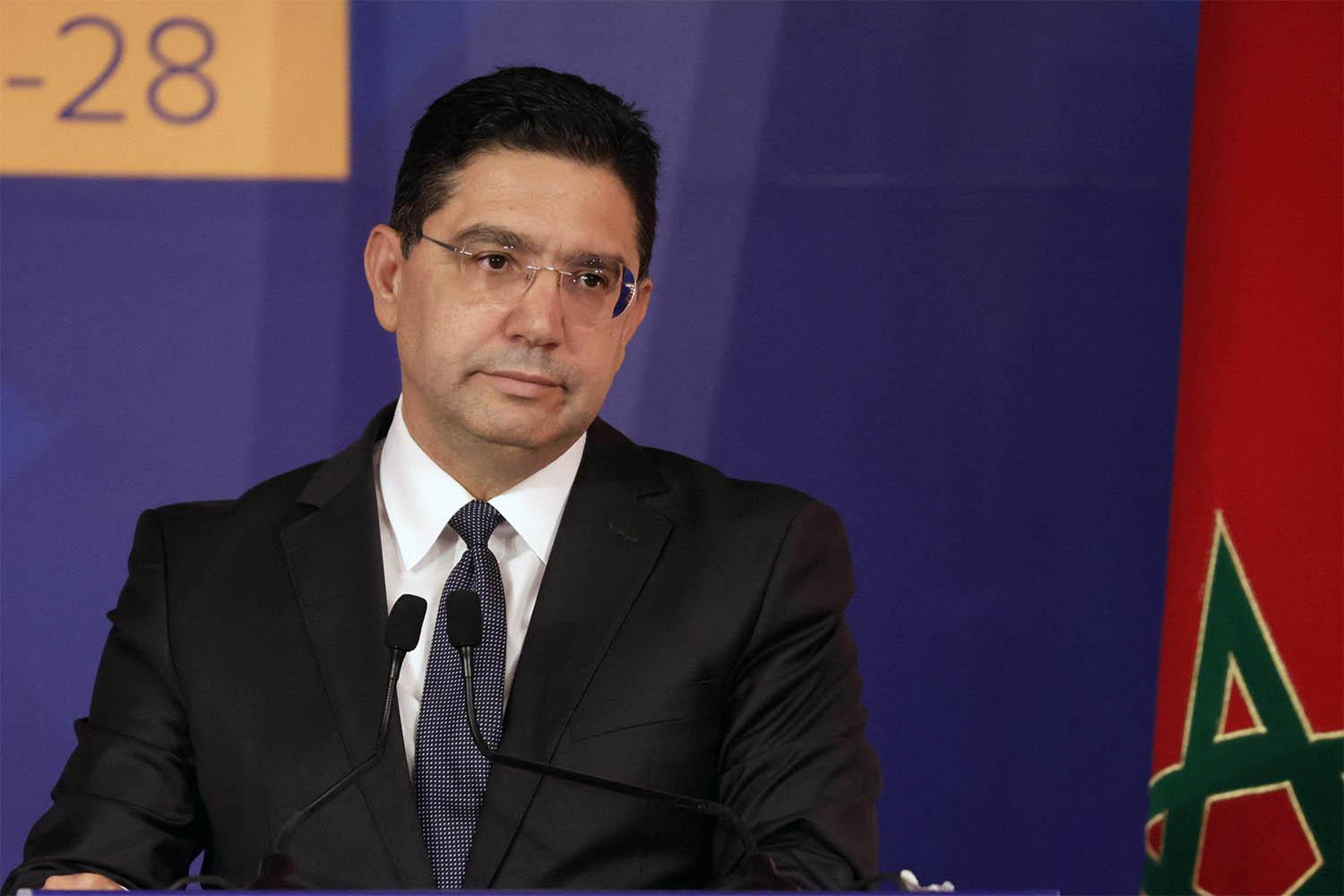
Morocco's Foreign Minister Nasser Bourita
What was meant to be a high-level policy dialogue on the “Future of Euro-Mediterranean Relations” turned into a defining moment for Morocco’s foreign policy. From the capital Rabat, Foreign Minister Nasser Bourita delivered a forceful message: the future of cooperation between the northern and southern shores of the Mediterranean will depend on Europe’s ability to take a clear and principled stance on the ongoing tragedy in Gaza.
Speaking before senior European officials, including EU Commissioner for the Mediterranean Dubravka Šuica, Bourita went beyond diplomatic niceties, insisting that what is happening in Gaza is “a test of conscience for all of us and a measure of the credibility of the Euro-Mediterranean space.”
From Words to Action
Bourita urged Europe to move from symbolic declarations to concrete political action capable of halting the Israeli onslaught that has ravaged Gaza since October 7, 2023. The minister warned that continuing to manage crises reactively would only deepen divisions between the two shores and erode any prospects for a balanced partnership.
Morocco as a Strategic Bridge
With its unique geographic location and longstanding role as a bridge between Europe and the Arab world, Morocco emerges as a natural mediator in addressing regional crises. Rabat appears ready to leverage its diplomatic capital — built on pragmatism and credibility — to push European partners toward a new approach that protects civilians and relaunches a political process safeguarding the legitimate rights of the Palestinian people.
This positioning not only strengthens Morocco’s international standing as a force for regional stability but also underscores its ability to combine humanitarian principles with strategic interests — an asset that enhances its negotiating power in future regional arrangements.
Europe at a Crossroads
Some European capitals have already begun to act: Spain and the Netherlands have announced punitive measures against Israel, including banning arms shipments through their ports and restricting entry for certain Israeli officials. Bourita’s intervention raises the bar, urging Europe to transform these isolated moves into a collective strategy that redefines shared security across the Mediterranean.
Numbers That Cannot Be Ignored
More than 64,000 people killed, 163,000 wounded, and 411 dead from famine in Gaza are not just statistics — they are a moral alarm. Failing to act risks undermining Europe’s credibility as a champion of human rights and deepening distrust across the southern Mediterranean.
Redefining the Euro-Mediterranean Partnership
Rabat’s message is unmistakable: the Euro-Mediterranean framework can no longer be limited to economic cooperation and summitry. It must evolve into a genuine geopolitical platform capable of preventing wars, managing crises collectively, and shaping a shared future rooted in peace and justice.
Morocco as a Balance-Maker
By seizing this political moment, Morocco positions itself not as a passive observer but as a proactive mediator, agenda-setter, and problem-solver. This approach strengthens Rabat’s image on the world stage as a defender of human dignity and a responsible actor committed to building partnerships grounded in tangible action rather than rhetoric.
This is a rare strategic opportunity for Morocco to cement its place as a pivotal regional power and a key architect of a new, more principled Euro-Mediterranean order.
The views expressed are solely those of the author and may or may not reflect those of Middle East Online.
