


Deepening economic malaise
Revolutionary guards draw red lines as Iran’s protests rekindle 2022 fears
Signs are emerging of a sweeping security campaign that could unfold on several fronts.
Tuesday 06/01/2026
Deepening economic malaise
TEHRAN –
Iran’s Revolutionary Guards declared an end to what they called a “period of tolerance” towards protesters, signalling a hardening stance as demonstrations driven by economic hardship gather momentum across the country. The warning suggests that Tehran is preparing to respond with force, drawing on its familiar mix of security intimidation and political propaganda amid growing fears of a repeat of the mass protests that shook the country in 2022 following the death of Mahsa Amini.
As with previous waves of unrest, Iranian authorities have moved quickly to externalise the crisis. In a statement issued on Monday, the Revolutionary Guards accused protesters of acting as “agents of the enemies of the state,” framing economic grievances as acts of treason rather than acknowledging the policy failures behind Iran’s unprecedented currency collapse. The narrative seeks to recast citizens demanding basic livelihoods as spies and saboteurs, diverting attention from the deepening economic malaise.
The Guards also threatened to pursue what they described as the “instigators and leaders of these anti-security events,” vowing to hold them accountable under the law in the near future. The language reflects the regime’s acute anxiety about the current protests expanding beyond isolated demonstrations, particularly as living conditions deteriorate for broad segments of society. Analysts note that economically-driven unrest poses a more serious threat than rights-based protests, as it cuts across traditional political and social divides.
By targeting alleged organisers and leaders, the authorities appear to be pursuing a pre-emptive security strategy aimed at paralysing the street’s capacity to mobilise. The approach is designed to neutralise influential figures early, before protests escalate to a level that becomes difficult to contain.
Signs are emerging of a sweeping security campaign that could unfold on several fronts. This is expected to include the deployment of Basij militias and riot police in major squares to intimidate demonstrators, alongside the possible reimposition of internet shutdowns to isolate protesters from the outside world and prevent the documentation of abuses. Human rights reports warn that detainees may again face trials lacking basic due process, with harsh sentences imposed to serve as a deterrent to others.
Observers of Iranian affairs argue that Tehran’s reliance on the language of force rather than dialogue or meaningful economic reform risks plunging the country into a deeper crisis. While the Revolutionary Guards insist on protecting the system through repression, public anger continues to grow, fuelled by hunger and poverty. Any coming confrontation, they say, will test the limits of the security apparatus’s ability to suppress popular will.
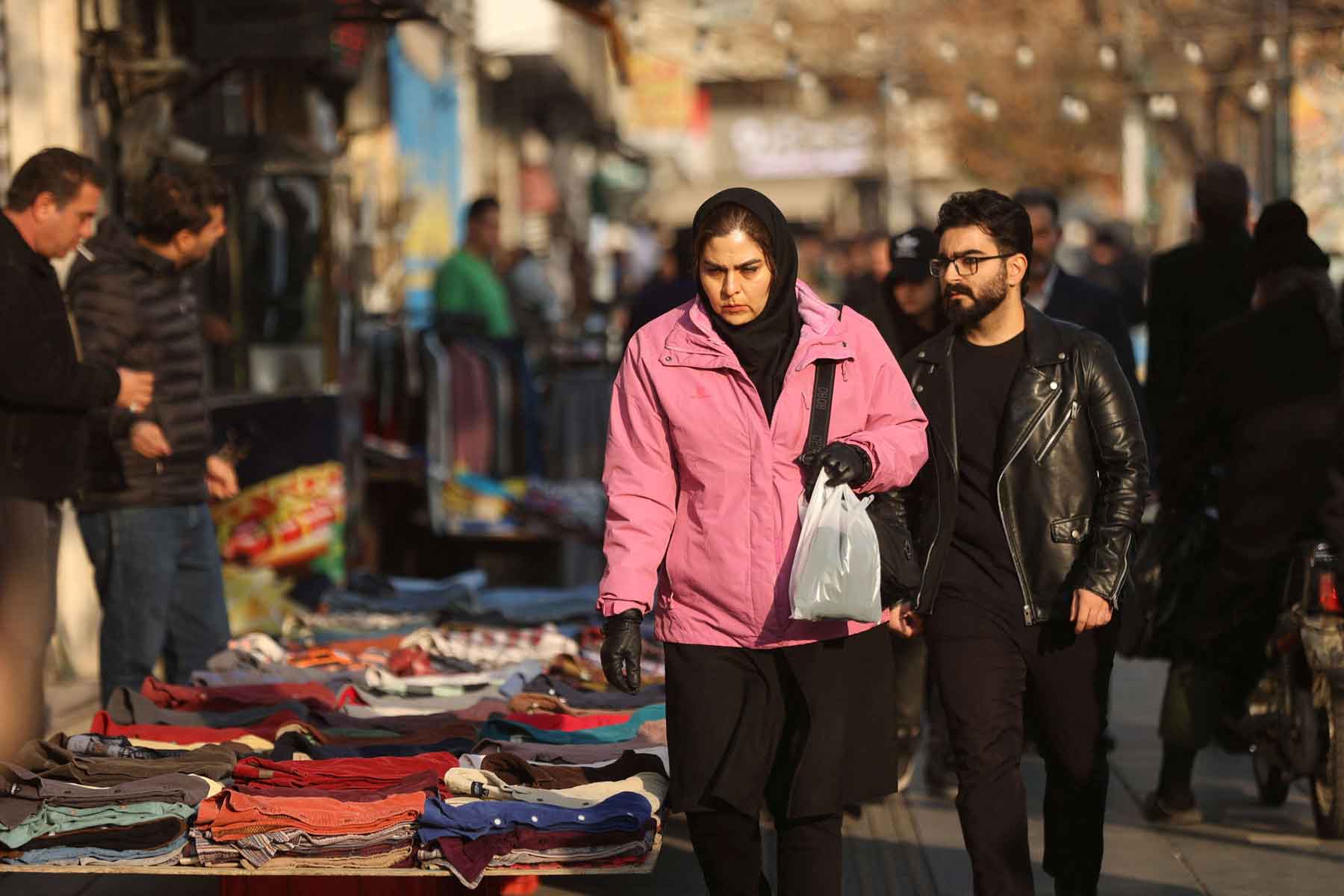
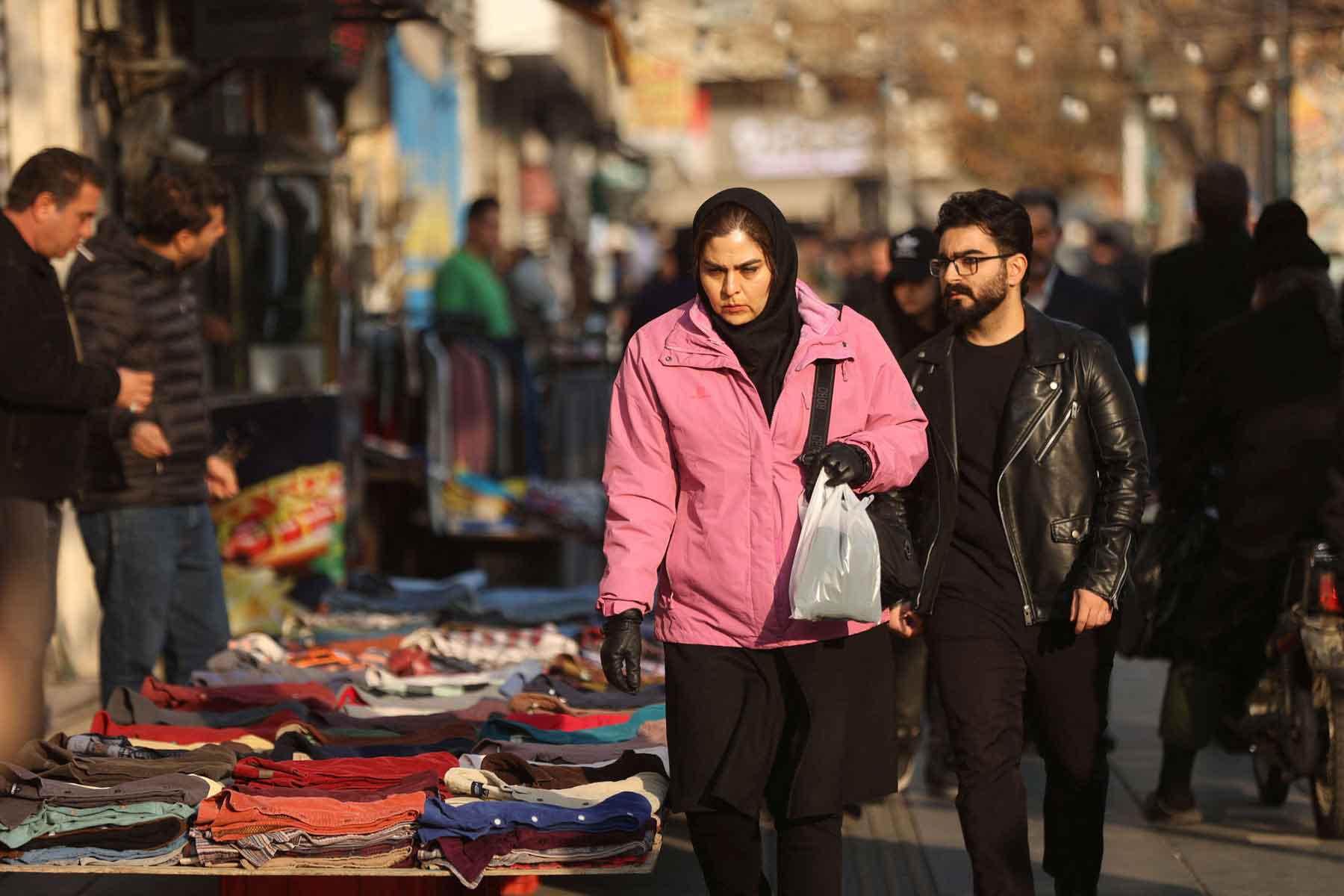
At the start of the year, Iran’s living conditions crossed from what many experts describe as a conventional economic crisis into a state of “comprehensive livelihood collapse.” A combination of currency depreciation, runaway inflation and the spillover effects of regional tensions has pushed poverty into the mainstream of Iranian society.
International estimates suggest that between 50 and 80 percent of Iranian households now live below the global poverty line. Reports also warn that around seven million people have entered a phase of acute hunger and severe malnutrition, with meat and basic sources of protein increasingly treated as luxury items beyond the reach of millions of families.
What began as protests over economic grievances have rapidly evolved into political slogans calling for radical change, reflecting widespread anger at what demonstrators describe as the systematic looting of the country’s wealth. Analysts say Iran is now experiencing its worst living standards since the establishment of the Islamic Republic in 1979, with securing basic food supplies becoming a daily struggle for many.
The latest wave of unrest began on December 28, when traders in Tehran’s Grand Bazaar staged protests over the sharp fall of the Iranian rial against foreign currencies and the deepening economic crisis. Demonstrations later spread to several cities across the country.
President Masoud Pezeshkian has acknowledged public discontent, conceding that the government bears responsibility for the current economic problems and urging officials not to place blame on external actors such as the United States.
The unrest has already turned deadly. On Wednesday, a member of the Basij forces was killed and 13 police officers were injured during demonstrations in Kuhdasht, in western Lorestan province. Reports also said two people were killed on Thursday during protests in Lordegan, in Chaharmahal and Bakhtiari province. Authorities further announced the deaths of three people in an attack targeting a police centre in the city of Azna, also in Lorestan, during unrest there.