

One of the most controversial and polarising figures of Syria’s long authoritarian era
Rifaat al-Assad, architect of Hama massacre, dies in exile
Despite his central role in enforcing the regime’s authority, Rifaat’s ambitions ultimately brought him into conflict with his older brother, Hafez al-Assad.
Wednesday 21/01/2026
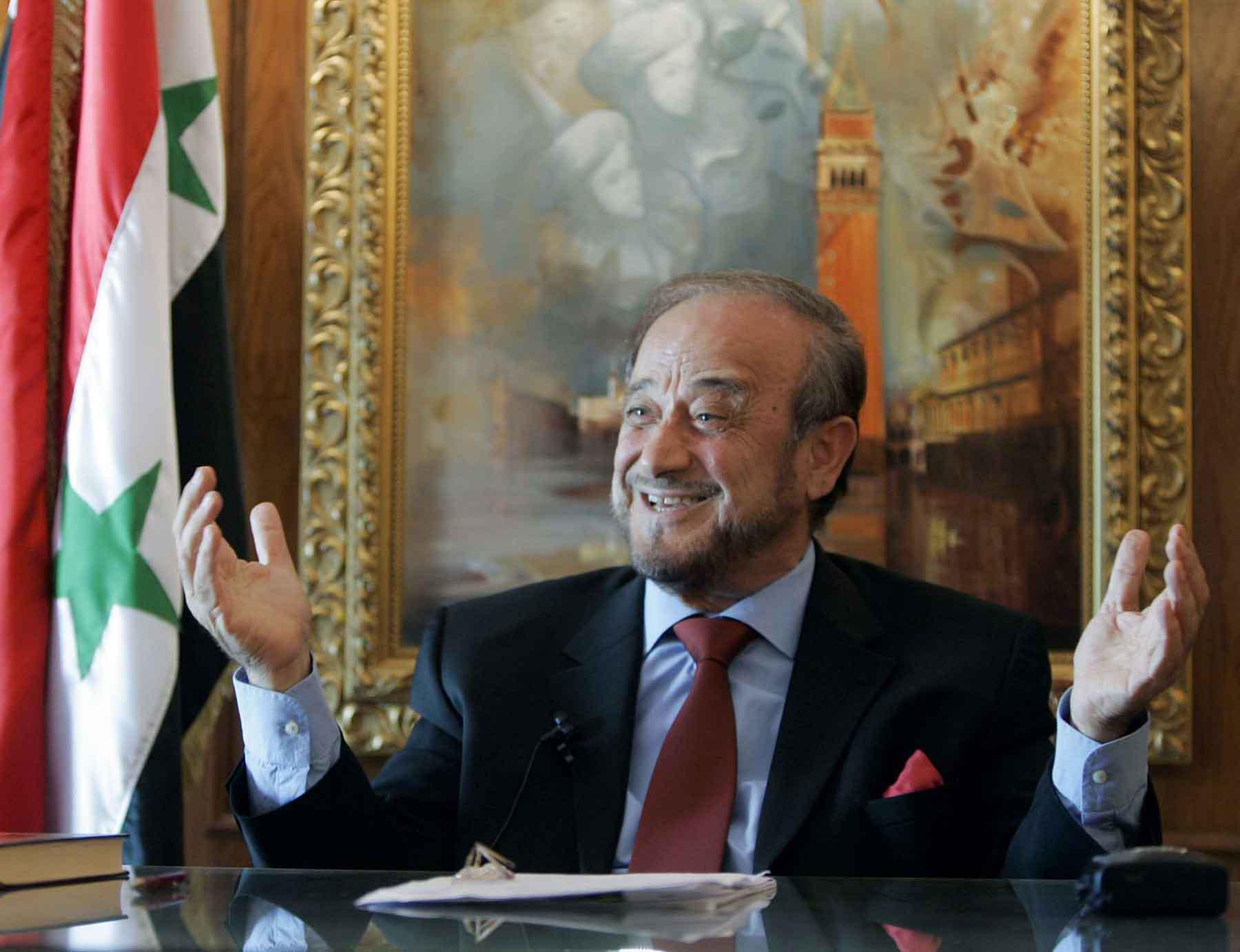
One of the most controversial and polarising figures of Syria’s long authoritarian era
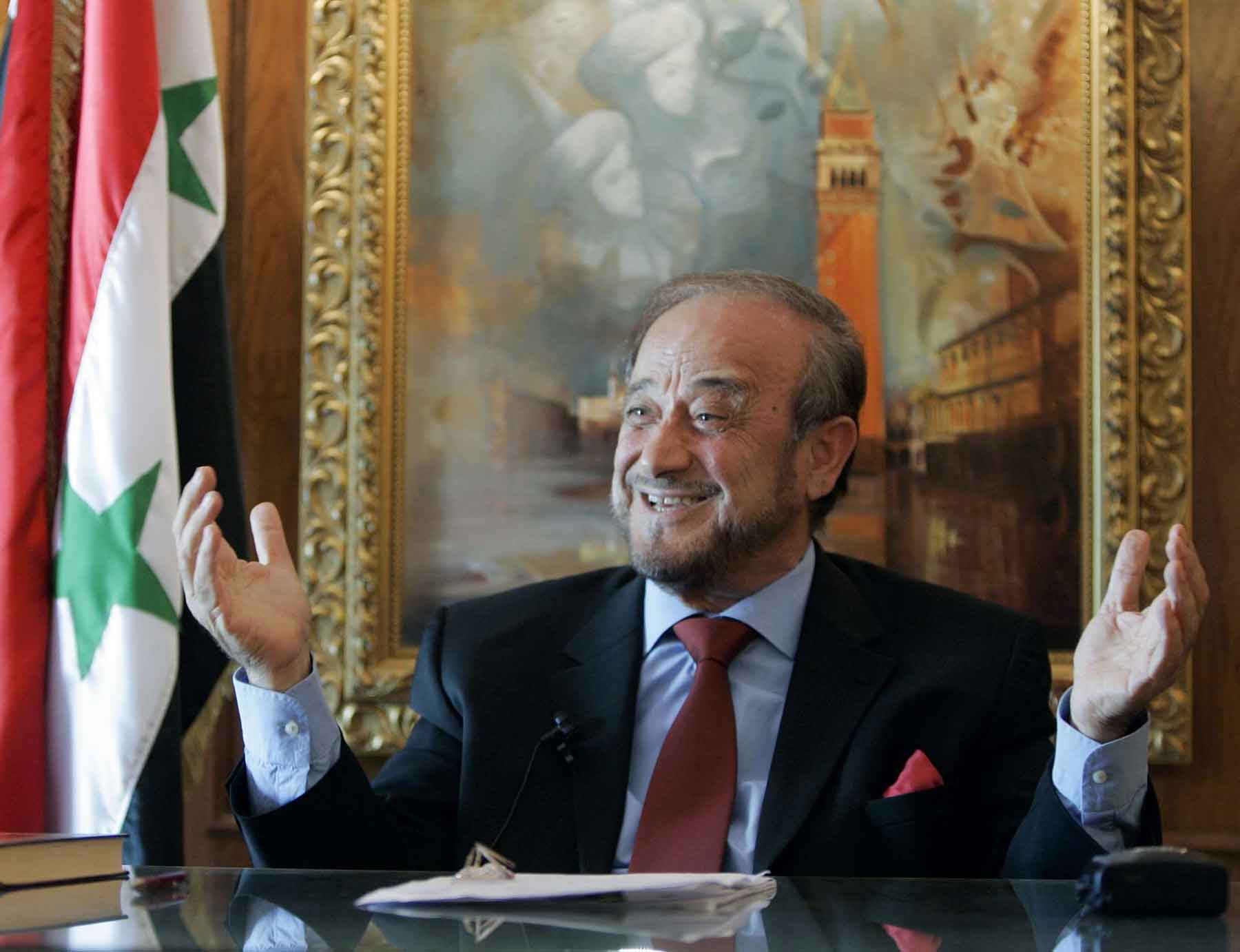
DAMASCUS – Rifaat al-Assad, the powerful uncle of former Syrian president Bashar al-Assad and one of the most feared figures of the country’s modern history, has died at the age of 88, according to two sources close to the family.
Rifaat, whose name became synonymous with the brutal suppression of dissent in Syria, died after suffering from influenza for about a week, a former senior official who worked for decades inside the presidential palace said.
A second source, a retired army officer from the Assad era, also confirmed his death, adding that Rifaat had been living outside Syria since the collapse of Bashar al-Assad’s government late last year, though the exact location of his death was not disclosed.
Once a central pillar of the Assad family’s grip on power, Rifaat earned lasting notoriety for his role in the February 1982 assault on the central city of Hama, where Syrian forces crushed an uprising led by the Muslim Brotherhood. The operation, ordered by then president Hafez al-Assad and executed by troops under Rifaat’s command, remains one of the bloodiest episodes in modern Middle Eastern history.
At the time, Rifaat commanded the elite Defence Brigades, a heavily-armed unit loyal to him personally. Over nearly a month of fighting, much of Hama was levelled. The true death toll has never been officially established due to a strict media blackout, but estimates by historians and human rights groups range from 10,000 to as many as 40,000 people. The scale of the violence earned Rifaat the enduring moniker “the Butcher of Hama”.
Despite his central role in enforcing the regime’s authority, Rifaat’s ambitions ultimately brought him into conflict with his older brother. In 1984, following a failed bid to seize power while Hafez was ill, he was sidelined and forced into exile. He settled first in Switzerland and later in France, where he lived for decades, maintaining a lavish lifestyle and portraying himself at times as a critic of his nephew Bashar, who inherited the presidency in 2000.
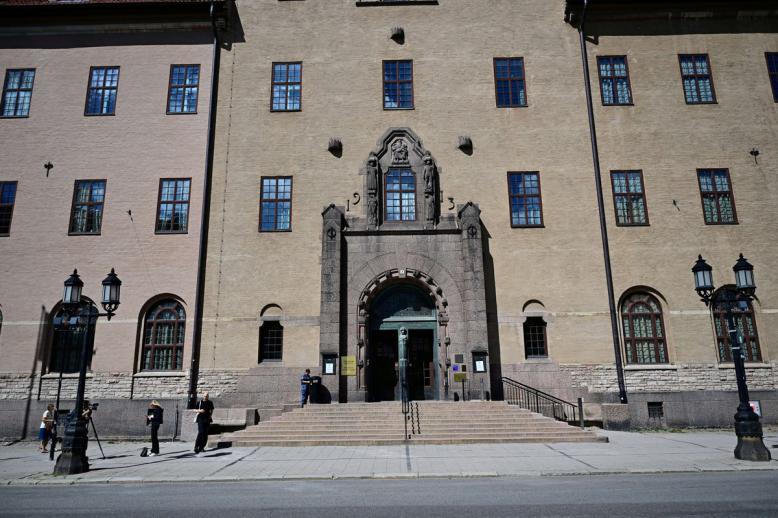
Rifaat’s past continued to haunt him abroad. Swiss prosecutors accused him of a range of grave crimes, including ordering killings, torture, inhumane treatment and unlawful detention during his years as a senior military commander.
In France, courts convicted him in 2020 of money laundering and the misappropriation of Syrian public funds, sentencing him to four years in prison and ordering the confiscation of assets worth millions of euros.
In 2021, he returned to Syria after French authorities approved his departure on medical grounds, effectively allowing him to avoid serving his sentence. Two years later, he reappeared publicly in a family photograph alongside Bashar al-Assad, first lady Asma al-Assad and other relatives, signalling a tentative rehabilitation within the ruling clan.
That return proved short-lived. After Bashar al-Assad was ousted by rebel forces in December 2024, Rifaat fled Syria once again, crossing into Lebanon before leaving via Beirut airport, according to Lebanese security sources at the time.