


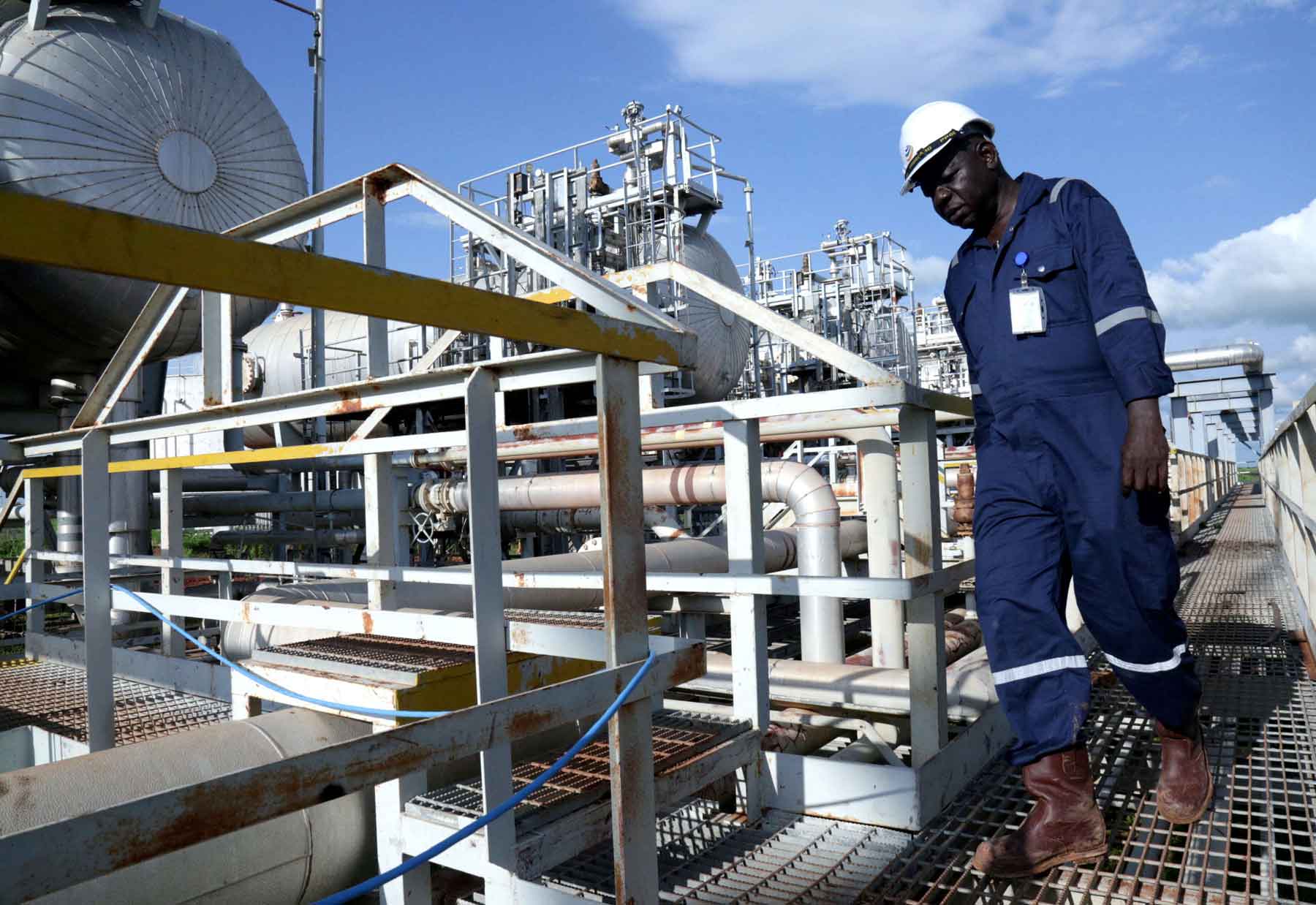
A worker walks by an oil well at the Toma South oil field to Heglig, in Ruweng State, South Sudan.
RSF seize Sudan’s Heglig oilfield, threatening government finances
According to analysts, the RSF’s control over Heglig allows it to impose an effective economic blockade on the government and army.
Monday 08/12/2025
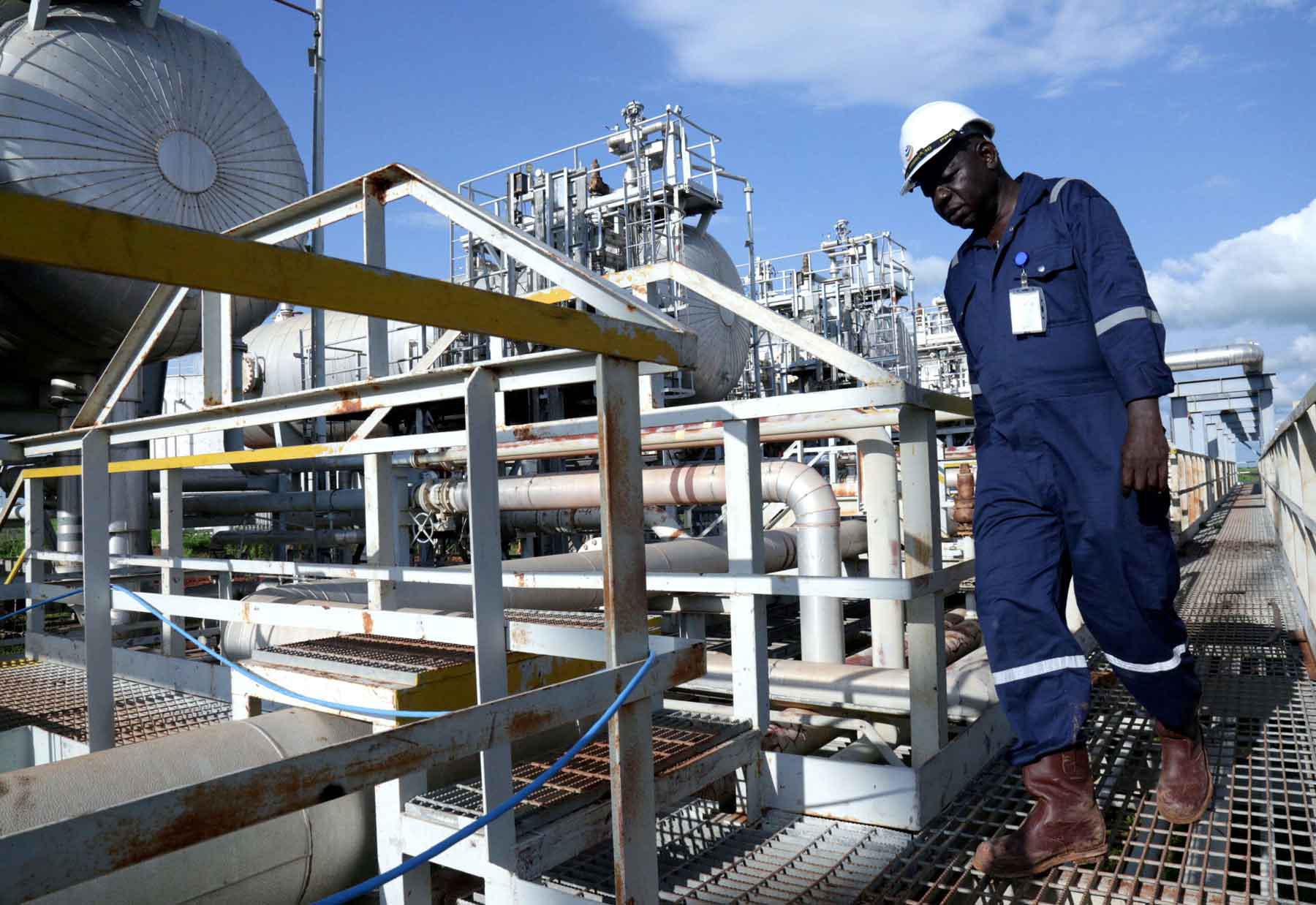
A worker walks by an oil well at the Toma South oil field to Heglig, in Ruweng State, South Sudan.
KHARTOUM
Sudan’s paramilitary Rapid Support Forces (RSF) announced on Monday that they had taken control of the strategic Heglig oilfield in South Kordofan, a key site that houses the main processing facility for South Sudanese oil.
The seizure marks a major development in Sudan’s ongoing conflict, which erupted in April 2023 between the Sudanese army and the RSF, and has repeatedly disrupted oil flows from South Sudan. Before the conflict, these exports averaged between 100,000 and 150,000 barrels per day via the Greater Nile pipeline system to Port Sudan on the Red Sea.
Government forces and workers at the Heglig oilfield withdrew from the area on Sunday to avoid clashes that could have damaged the facilities, according to government sources. A source working at the site said the army and oil workers had retreated into South Sudan.
Oil from Heglig is vital not only to Sudan’s hard-currency earnings but also to landlocked South Sudan, which relies almost entirely on pipelines running through Sudan.
According to analysts, the RSF’s control over Heglig allows it to impose an effective economic blockade on the government and army, intensifying the country’s financial difficulties amid worsening economic crises and ongoing withdrawals from other productive regions.
The capture of Heglig represents a significant military and symbolic victory for the RSF, adding to its dominance over Al-Fashir and most of Darfur. It enhances the RSF’s image as a force in control of vital resources and strengthens its legitimacy on the ground.
For the Sudanese government and army, the loss of Heglig removes a major financial lever, undermining their ability to pay salaries and provide basic services, and raising the spectre of state bankruptcy.
The withdrawal, even if intended to protect the oilfield from damage, is seen as a serious military setback and may erode troop morale while increasing public frustration with the leadership of General Abdel Fattah al-Burhan.
The strategic Heglig site, located on Sudan’s southern border, is central to South Sudanese oil processing.
Control over the field by the RSF could also increase international pressure on the Sudanese government to reach a settlement, amid fears that the conflict may divert resources to finance the war, potentially triggering the freezing of some aid or the imposition of additional sanctions.
Clashes in oil-producing regions, including attacks by drones, frequently disrupt production and force shutdowns, worsening Sudan’s humanitarian crisis due to shortages of fuel and energy needed to operate hospitals and essential services.
The RSF’s seizure of Heglig marks a shift in the conflict from battles over cities to a struggle over economic resources, giving the paramilitary a critical bargaining and funding tool while placing the army and the Sovereign Council in an unprecedented economic and military bind.