


A call to secure borders
Sadr flags Baathist-ISIS nexus as Syria clashes raise Iraq security fears
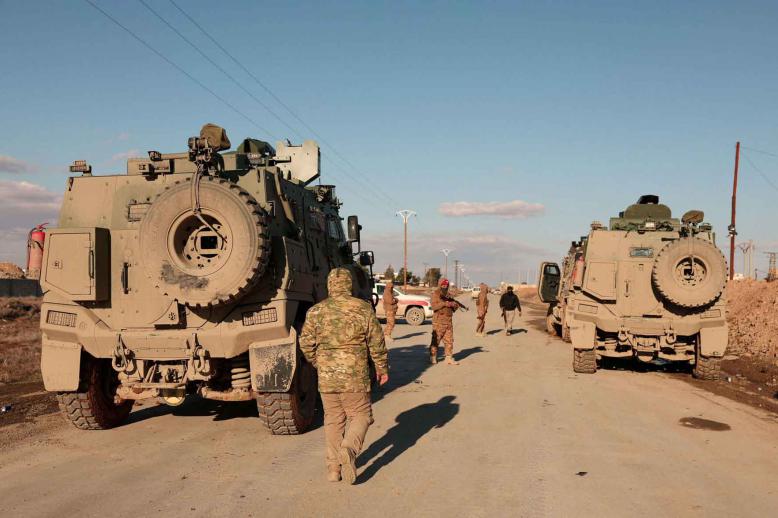
Sadr warned against dealing “naively” with unfolding events in Syria, stressing the need to secure borders and crossings and to send immediate reinforcements to ensure their protection.
Tuesday 20/01/2026
A call to secure borders
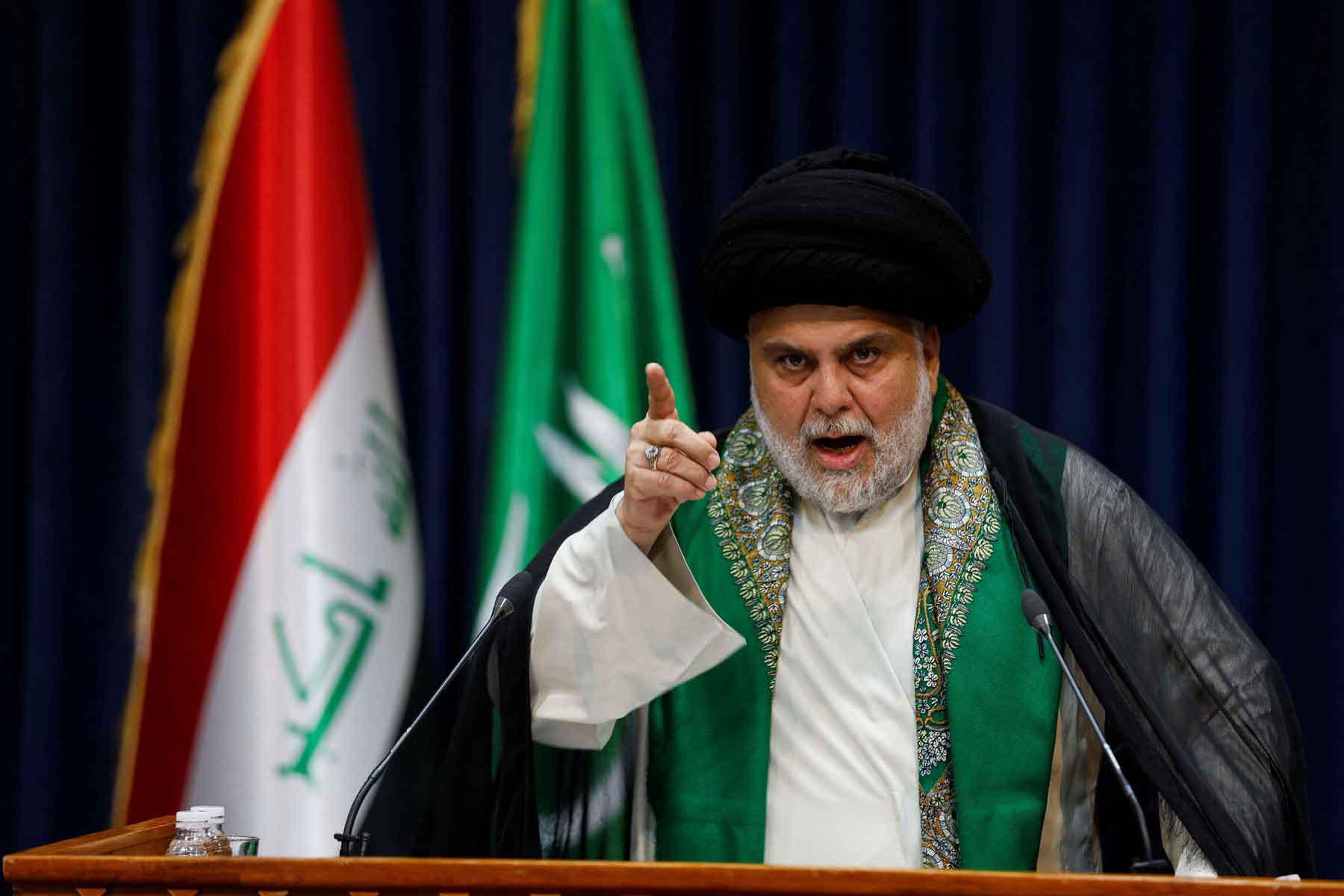
BAGHDAD – As tensions intensify in northern and eastern Syria, Iraqi cleric and political leader Muqtada al-Sadr has called on the Syrian authorities to hand over Iraqi members of the Islamic State (ISIS) group. He also directed a similar demand at the Jordanian government, urging it to extradite former Iraqi Baath Party figures and their leaders, “women and men alike,” to Baghdad, warning of what he said were plans for cooperation between Baathist elements and the extremist group.
In a post on social media, Sadr stressed the seriousness of recent developments in Syria following reports of prisons being opened and ISIS detainees released, developments he said pointed to a sharp rise in the level of danger across the region. He argued that these events require urgent action by the Iraqi government, beginning with formally demanding that Damascus hand over fugitive Iraqis, and extending to pressuring Amman to extradite Baathist figures. Sadr warned that the presence of what he called the “impure Baath” alongside extremist militants posed a direct threat to Iraq’s national security.
The Sadrist leader outlined a series of measures he said should be implemented immediately, including activating air defences to protect holy sites and prisons, and raising the alert level across all official security agencies. He also cautioned the Iraqi public against being drawn into sectarian rhetoric or responding to calls that could inflame internal or external tensions, urging citizens to report any suspicious activity and stressing that vigilance and caution were a national duty at this stage.
Emphasising the importance of border protection, Sadr said the central government and local authorities in provinces bordering Syria would bear “full responsibility” for any potential breach, whether involving the movement of weapons, the entry or exit of terrorist elements, or any activity threatening security. He called on military and security commanders to closely monitor borders and crossings and to avoid any negligence, urging continuous assessment of developments on the ground.
Sadr also issued a religious message to clerics, calling on them to pray for Iraq’s protection from looming dangers while at the same time educating the public about the risks of terrorism and sectarianism “with wisdom and good counsel.” He further underlined the need to investigate the presence of Syrians inside Iraqi territory, a step seen as part of efforts to monitor any possible infiltration or activity that could exacerbate tensions.
His remarks came a day after he warned against dealing “naively” with unfolding events in Syria, stressing the need to secure borders and crossings and to send immediate reinforcements to ensure their protection. Meanwhile, northern and eastern Syria have witnessed armed clashes between Syrian government forces and the Kurdish-led Syrian Democratic Forces (SDF), leaving dead and wounded and forcing thousands of families to flee Kurdish-majority areas.
The fighting has increasingly centred on detention facilities holding ISIS members, with both sides trading accusations over opening or losing control of prisons. On Monday evening, Syria’s military operations authority announced a comprehensive curfew in the city of Shaddadi following unrest at Shaddadi prison, which holds senior ISIS figures, after the SDF said it had lost control of the facility. Military units were urged to report any escaped detainees.
Shaddadi prison is one of several detention centres in SDF-held areas of northern and eastern Syria, alongside the al-Sina prison and the central prison in Hasakeh, which together hold thousands of ISIS fighters. The latest developments have heightened fears of potential escapes and cross-border infiltration, including into Iraq, despite repeated assurances from Iraqi officials that unprecedented measures are in place to secure the frontier.
In this context, Sabah al-Numan, spokesman for the Iraqi commander-in-chief of the armed forces, said the Iraq-Syria border was fully secured by the Border Forces Command. He stressed that managing the security file with neighbouring countries, particularly Syria, remained a top priority for the government, as concerns grow over the regional fallout of any security breakdown at ISIS detention sites.