

A fusion of contemporary art, craft, architecture and cultural research
Saudi Arabia brings monumental tribute to Arab heritage to Venice Biennale
The project invites visitors to walk through an environment that resembles an archaeological excavation, where fragments of history, culture and memory appear to emerge from the earth.
Tuesday 09/06/2026
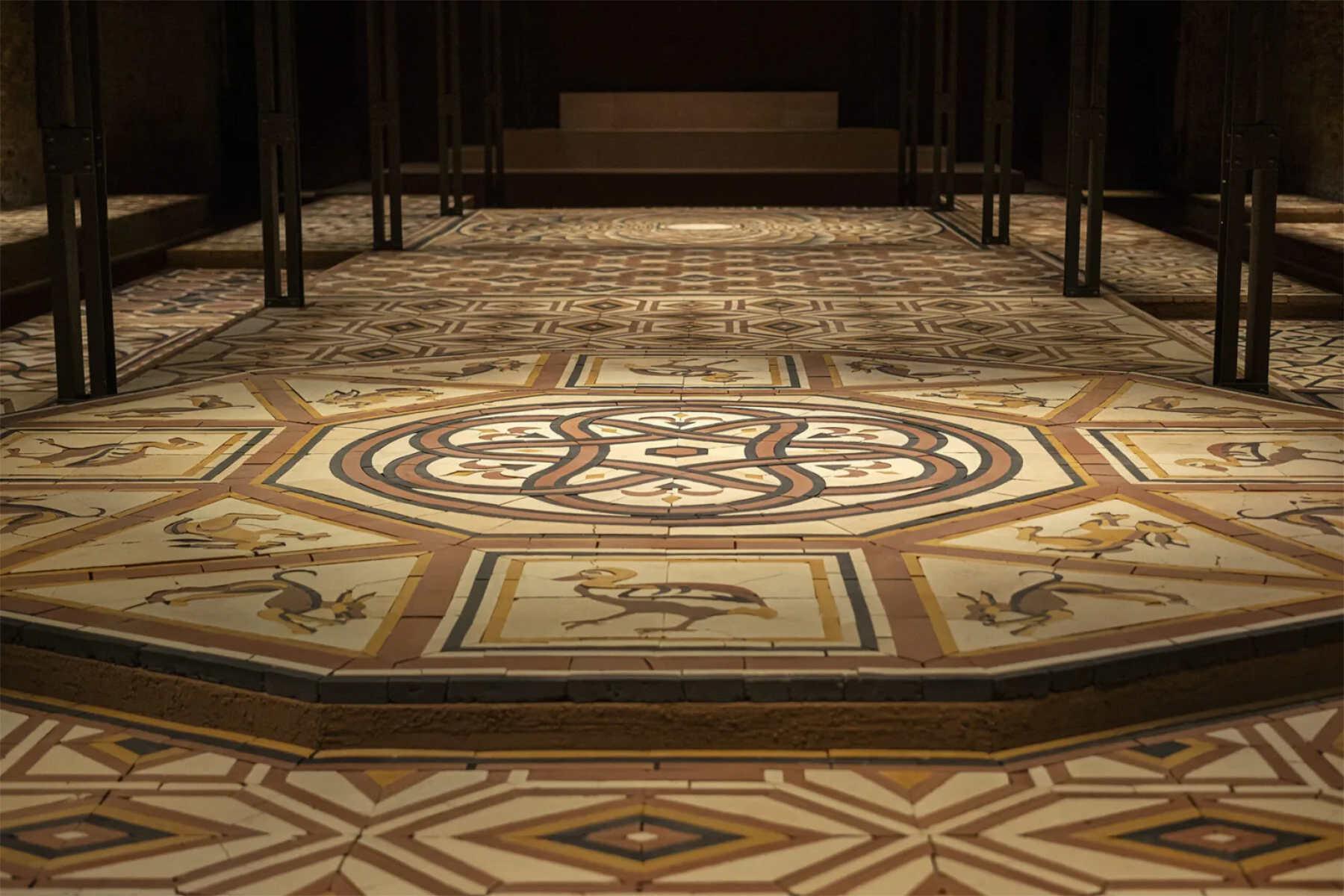
A fusion of contemporary art, craft, architecture and cultural research
VENICE – Saudi Arabia has unveiled one of the most ambitious and emotionally charged national presentations at the 61st Venice Art Biennale, with Saudi-Palestinian artist Dana Awartani transforming the Kingdom’s pavilion into a vast landscape of handcrafted clay that reflects on memory, cultural heritage and collective loss.
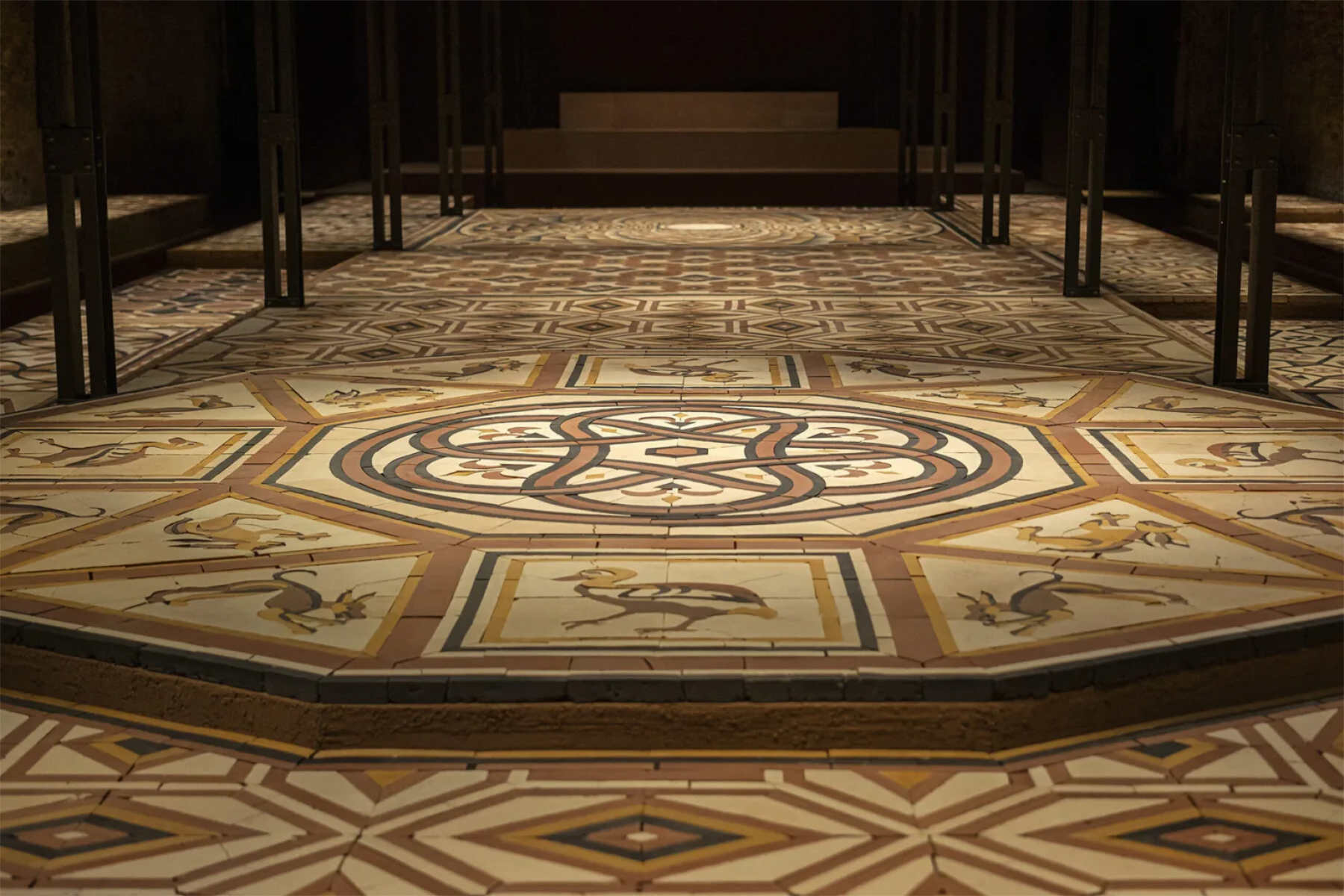
Titled “May Your Tears Never Dry, You Who Weep Over Stones," the installation occupies the entire floor of the pavilion and is composed of more than 29,000 handmade clay bricks arranged in intricate patterns inspired by mosaic traditions from across the Arab world.
Curated by Antonia Carver, with Hafsa Alkhudairi as assistant curator, the project invites visitors to walk through an environment that resembles an archaeological excavation, where fragments of history, culture and memory appear to emerge from the earth.
The work arrives amid growing international concern over the destruction and neglect of historic sites and traditional crafts, particularly across regions affected by conflict, displacement and rapid urban development.
Awartani, whose artistic practice frequently explores Islamic geometry, ornamentation and endangered craft traditions, said the installation was conceived as a reflection on what societies risk losing when cultural memory is severed from the communities that sustain it.
Drawing inspiration from centuries-old mosaic traditions found in Palestine, Lebanon and Syria, the pavilion highlights the cultural connections that have linked communities across the region for generations. Geometric designs, floral motifs and animal imagery are woven into a single landscape that emphasises shared histories rather than national borders.
Constructed from four distinct clay earths sourced from different regions of Saudi Arabia, the installation embraces the natural characteristics of its materials. The bricks were produced using traditional methods and dried beneath the Saudi sun before being assembled without binding agents.
As the clay gradually contracts and develops cracks during the exhibition, the work itself changes over time, becoming a visual metaphor for the fragility of heritage and the vulnerability of cultural traditions exposed to conflict, neglect and displacement.
The project is Awartani’s largest undertaking to date and was developed through extensive research into historical sites across the Arab world that have suffered destruction or irreversible damage.
Equally central to the installation is the process behind its creation. Nearly 30,000 hours of labour were invested in producing the work, with artisans working collaboratively in a studio in the mountains outside Riyadh.
By foregrounding the contribution of craftspeople, Awartani places traditional knowledge at the centre of the project, arguing that preserving heritage involves safeguarding skills and practices as much as protecting monuments and artefacts.
While rooted in grief and remembrance, the installation also offers a message of resilience. Rather than focusing solely on what has been lost, it highlights the role of communities in preserving and renewing cultural traditions through collective acts of making and remembering.
Running until November, the Saudi pavilion stands out among the Biennale’s national presentations for its fusion of contemporary art, craft, architecture and cultural research, creating a deeply immersive reflection on belonging, continuity and the future of shared heritage.