


The meeting underscored both countries' shared vision for economic prosperity
Spain, Morocco ink 14 cooperation agreements
The deals, spanning sectors from diplomacy and agriculture to education and disaster management, represent a tangible boost to ties that have thawed dramatically since 2022.
Friday 05/12/2025

The meeting underscored both countries' shared vision for economic prosperity
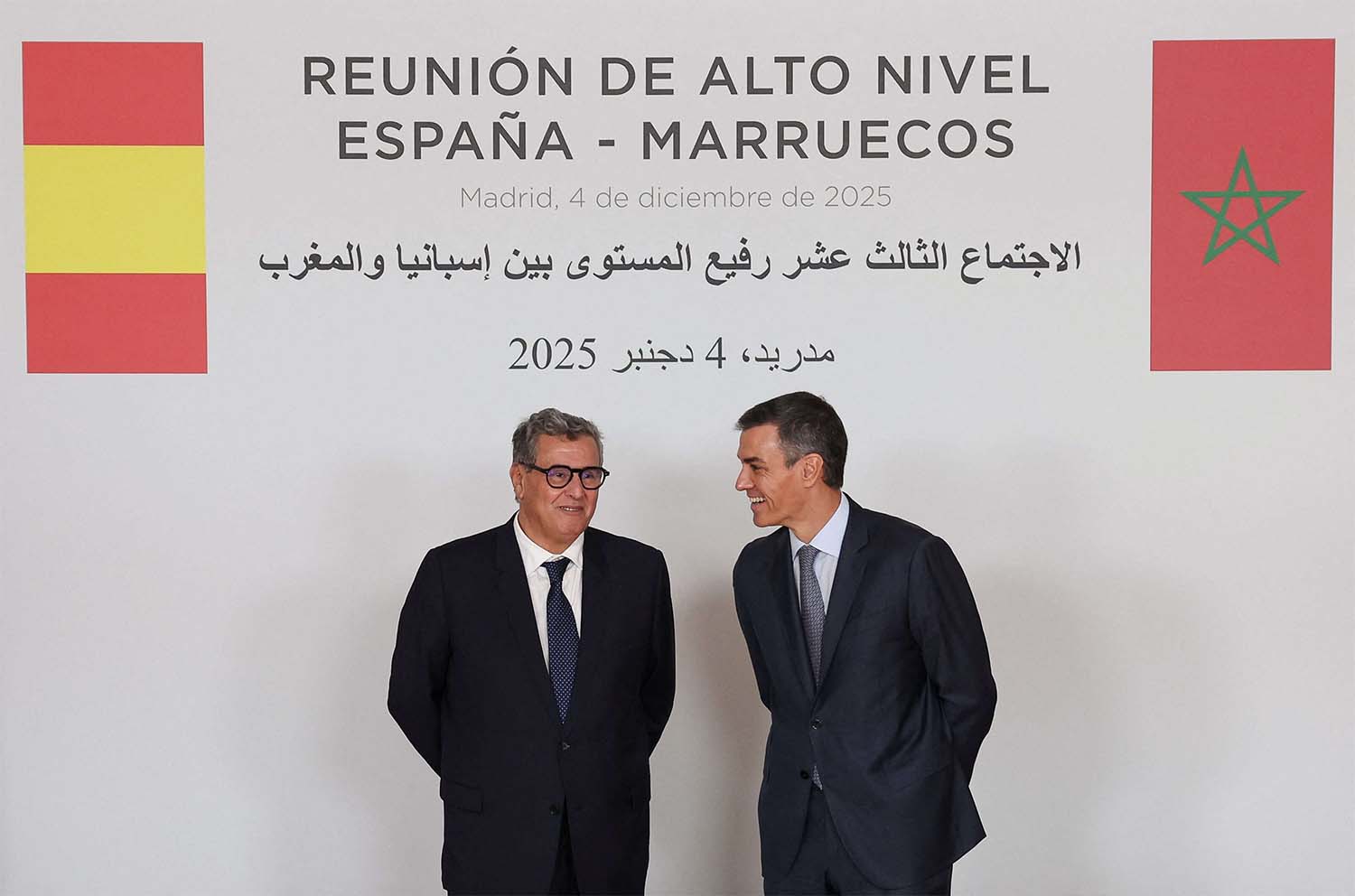
RABAT - Spain and Morocco inked on Thursday 14 cooperation agreements during the 13th High-Level Meeting (HLM) in Madrid.
Hosted by Spanish Prime Minister Pedro Sánchez at the Moncloa Palace, the event welcomed Moroccan Prime Minister Aziz Akhannouch and a delegation of high-ranking officials, including Foreign Ministers José Manuel Albares and Nasser Bourita.
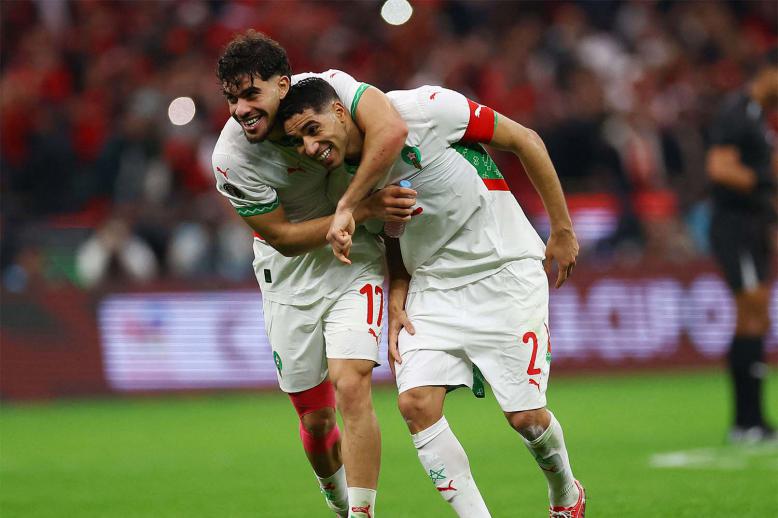
This gathering not only reaffirmed the "historic high" in relations between the two neighbors but also underscored their shared vision for economic prosperity, regional stability, and cultural exchange -especially as they gear up to co-host the 2030 FIFA World Cup alongside Portugal.
The deals, spanning sectors from diplomacy and agriculture to education and disaster management, represent a tangible boost to ties that have thawed dramatically since a pivotal 2022 joint statement, which saw Spain endorse Morocco's autonomy plan for Western Sahara as the "most serious, credible, and realistic" solution to resolution, a stance echoed by allies like the United States and France.
A Cascade of Agreements
The breadth of the signed documents - comprising one international administrative agreement, 11 memorandums of understanding (MoUs), and two declarations of intent - highlights the multifaceted nature of Spain-Morocco relations.
The Feminist Foreign Policy MoU, which was signed by Albares and Bourita, commits both nations to advancing gender equality and women's empowerment in international affairs, aligning with global trends in inclusive diplomacy.
Agreements on cooperation between diplomatic academies and exchange programs for young diplomats aim to foster the next generation of bilateral envoys, enhancing mutual understanding at the grassroots level of foreign policy.
As for agriculture and fisheries protocols, Spanish Agriculture Minister Luis Planas and Moroccan counterpart Ahmed Bouari signed an MoU to deepen ties in farming and agri-food industries, while a separate fisheries agreement targets illegal, unreported, and unregulated (IUU) fishing in the Mediterranean - a persistent challenge for both coastal economies.
A new pact consolidates cooperation in Spanish-administered schools in Morocco, promoting Arabic language instruction and Moroccan culture. Additional deals cover sports, documentary heritage, and the digital production of legislative texts, blending preservation with innovation.
A MoU on natural disaster response promises joint strategies for resilience, while broader economic pacts eye sustainable development in shared Atlantic waters.
These agreements build on the robust trade foundation between the two countries, with bilateral exchanges exceeding €22.7 billion annually. Spain remains Morocco's top EU trading partner, exporting machinery, vehicles, and chemicals while importing textiles, fish, and produce. The preceding Spain-Morocco Business Meeting on December 3 at the CEOE headquarters in Madrid further amplified this momentum, drawing business leaders to explore investment opportunities.
While the spotlight shone on economic and cultural wins, subtler threads wove through the discussions. Morocco's role as a frontline partner in curbing illegal migration was implicitly celebrated; arrivals at Spain's Canary Islands have plummeted thanks to enhanced border cooperation at the Ceuta and Melilla enclaves.
On airspace management, Morocco continues to advocate for expanded control over southern routes currently overseen from the Canary Islands, a technical dialogue that could redefine regional aviation dynamics.
Security loomed large too, with nods to counter-terrorism. Spain applauded Morocco's recent conference on African terrorism victims in Rabat, echoing joint commitments from the 2024 Vitoria gathering.
The HLM's joint statement also hailed the success of the Fourth International Conference on Financing for Development in Seville earlier in 2025, positioning both nations as champions of multilateralism.