

A weakened regime
Tehran threatens holy war for attacks on supreme leader
Iran has pressed ahead with arrests following a wave of demonstrations, as reported by local media and monitoring groups.
Tuesday 20/01/2026
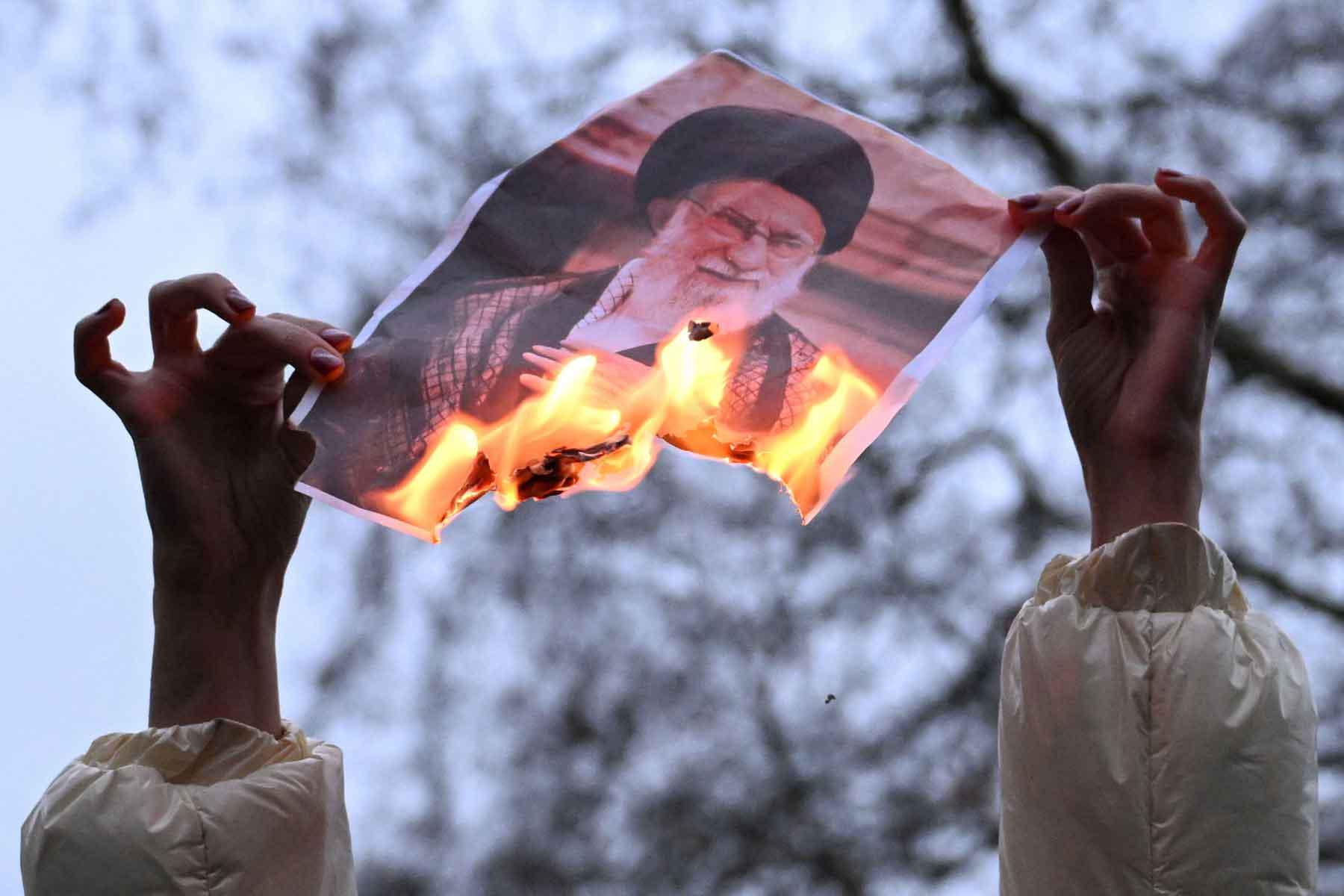
A weakened regime
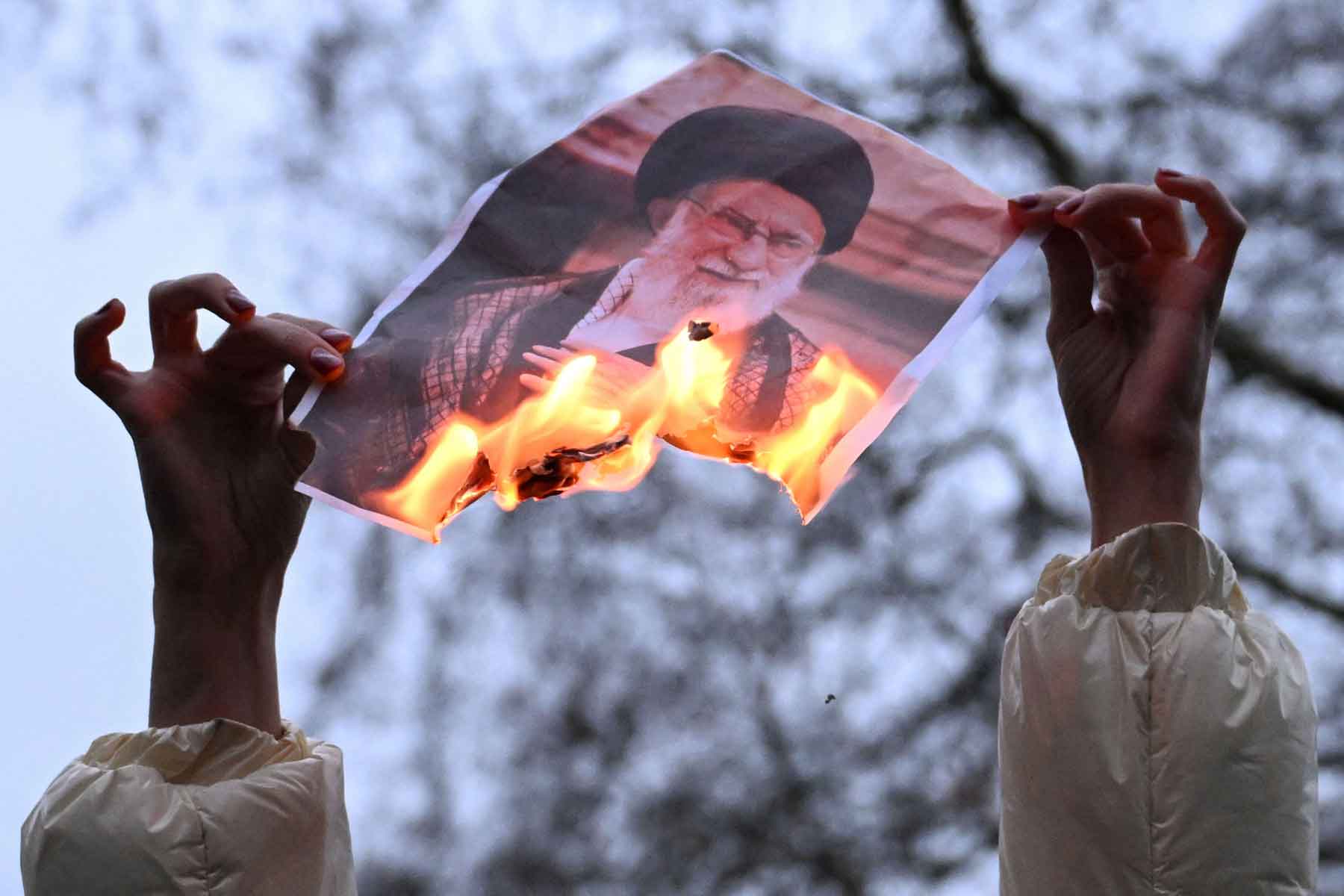
TEHRAN – Any attack on Iranian Supreme Leader Ayatollah Ali Khamenei would trigger a declaration of jihad, or holy war, the Iranian Students News Agency quoted Iran’s national security parliamentary commission as saying on Tuesday, in a warning that comes amid mounting tensions with the United States.
“Any attack on the Supreme Leader means a declaration of war with the entire Islamic world and must await the issuance of a Jihad decree by Islamic scholars and the response of Islam’s soldiers in all parts of the world,” the parliamentary commission said.
Tensions between Tehran and Washington have escalated following a severe crackdown on protests across Iran, which US President Donald Trump warned could elicit a response from Washington.
Iran has pressed ahead with arrests following a wave of demonstrations, as reported by local media and monitoring groups, while facing international scrutiny over a crackdown that rights organisations say has led to thousands of deaths under the cover of ongoing internet restrictions.
State media continues to report arrests of individuals accused of participating in what authorities describe as “terrorist operations” orchestrated by Tehran’s arch-foes, Israel and the United States. On Tuesday, state television reported that 73 people had been detained in central Isfahan for “American-Zionist sedition,” although the nationwide total remains unclear.
Last week, Tasnim news agency reported 3,000 arrests, with rights groups estimating the number may now be closer to 25,000.
The Tehran prosecutor has lodged lawsuits against 25 individuals, including athletes and actors, and 60 coffee shops “that directly or indirectly accompanied or supported the calls for terrorism” during the protests, the judiciary’s Mizan Online website reported. Properties linked to those accused have also been seized.
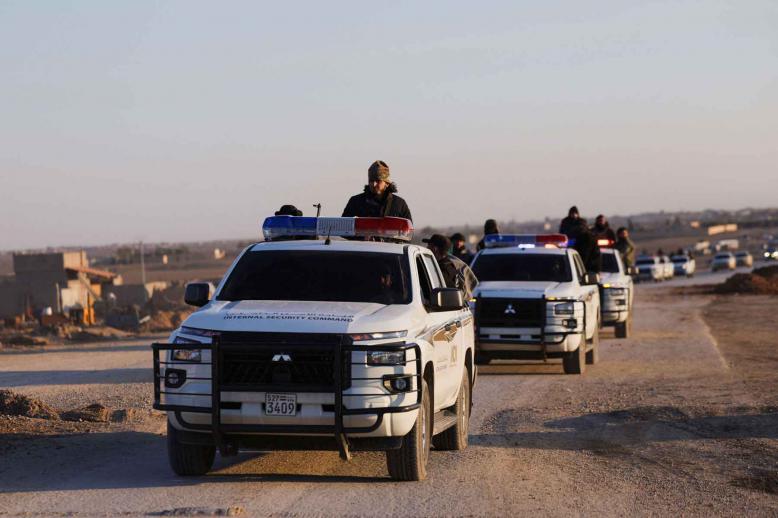
On Monday, Iran’s top police officer issued an ultimatum to protesters involved in what authorities deem “riots,” demanding that they surrender within three days or face the full force of the law.
Iran’s crackdown has drawn international isolation. The World Economic Forum cancelled the planned appearance of Iranian Foreign Minister Abbas Araghchi at the Davos summit in Switzerland on Tuesday, citing it would not be “right.” Araghchi accused the forum of bowing to “lies” and political pressure from Israel and the United States.
Air travel has also been affected. Germany’s Lufthansa said it would suspend flights to Tehran through 29 March, with Austrian Airlines halting operations until mid-February.
Meanwhile, the UN Human Rights Council announced on Tuesday it would hold an urgent session on Friday to address “the deteriorating human rights situation” in Iran. The council cited “credible reports of alarming violence, crackdowns on protesters and violations of international human rights law across the country,” following a request from European members including Britain and Germany.
Reza Pahlavi, the US-based son of the former Shah of Iran, has positioned himself as a leading opposition figure. He called for protests prior to the rallies that surged on 8 January, with videos showing crowds chanting his family’s name. He again called for demonstrations over the past weekend.
While some scattered protests occurred last week, the rallies have largely subsided, with many shops in Tehran’s Grand Bazaar reopening on Tuesday under heavy security. Pahlavi urged Iranians on Tuesday via X to “be ready. The time will come to return to the streets.”
The Norway-based Iran Human Rights NGO has said verification of deaths remains severely hampered by communication restrictions, but noted that available information “indicates that the number of protesters killed may exceed even the highest media estimates,” which reach 20,000. The Human Rights Activists News Agency has confirmed 4,029 deaths.
Ebrahim Azizi, head of the parliamentary national security and foreign policy commission, dismissed foreign media reports of death tolls as “lies,” without providing an exact figure, while stating that 3,709 security personnel had been wounded. Other officials have attributed a few thousand deaths to foreign agents.
Twelve days into an internet blackout, strict communications restrictions remain. The monitor NetBlocks reported on Tuesday that “traffic on select platforms points to an emergent strategy of whitelisting,” allowing only selected users, entities or services to bypass restrictions. Tasnim news agency noted that local messaging apps have been partially activated. Outgoing international calls and texts are possible, but incoming communications remain blocked.