

Trump: Last time Maliki was in power, the Country descended into poverty and total chaos.
Trump issues stark warning on Maliki’s return, threatens to cut support
Trump said that Iraq, without US support, would have "zero" chance of success.
Wednesday 28/01/2026
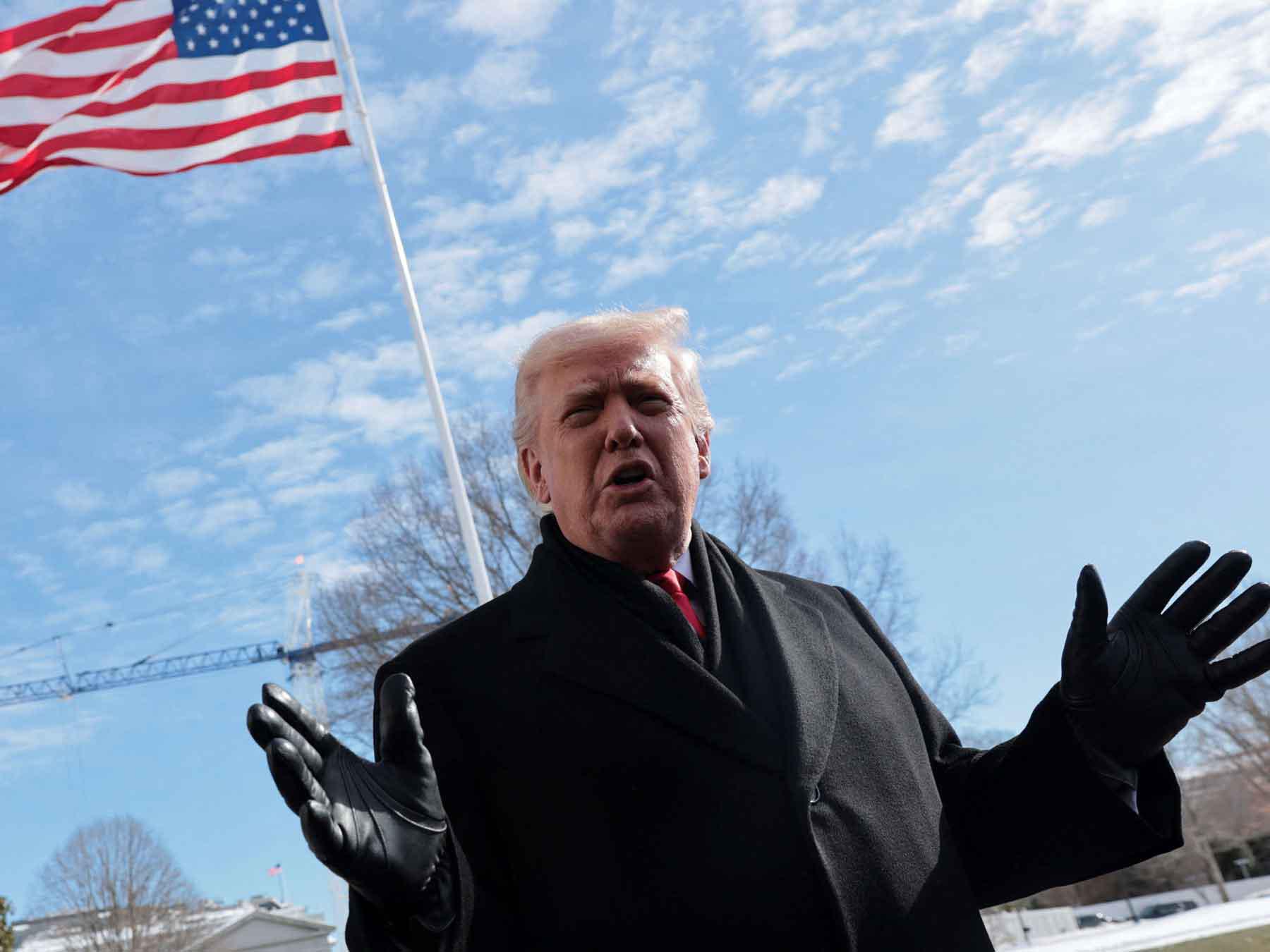
Trump: Last time Maliki was in power, the Country descended into poverty and total chaos.
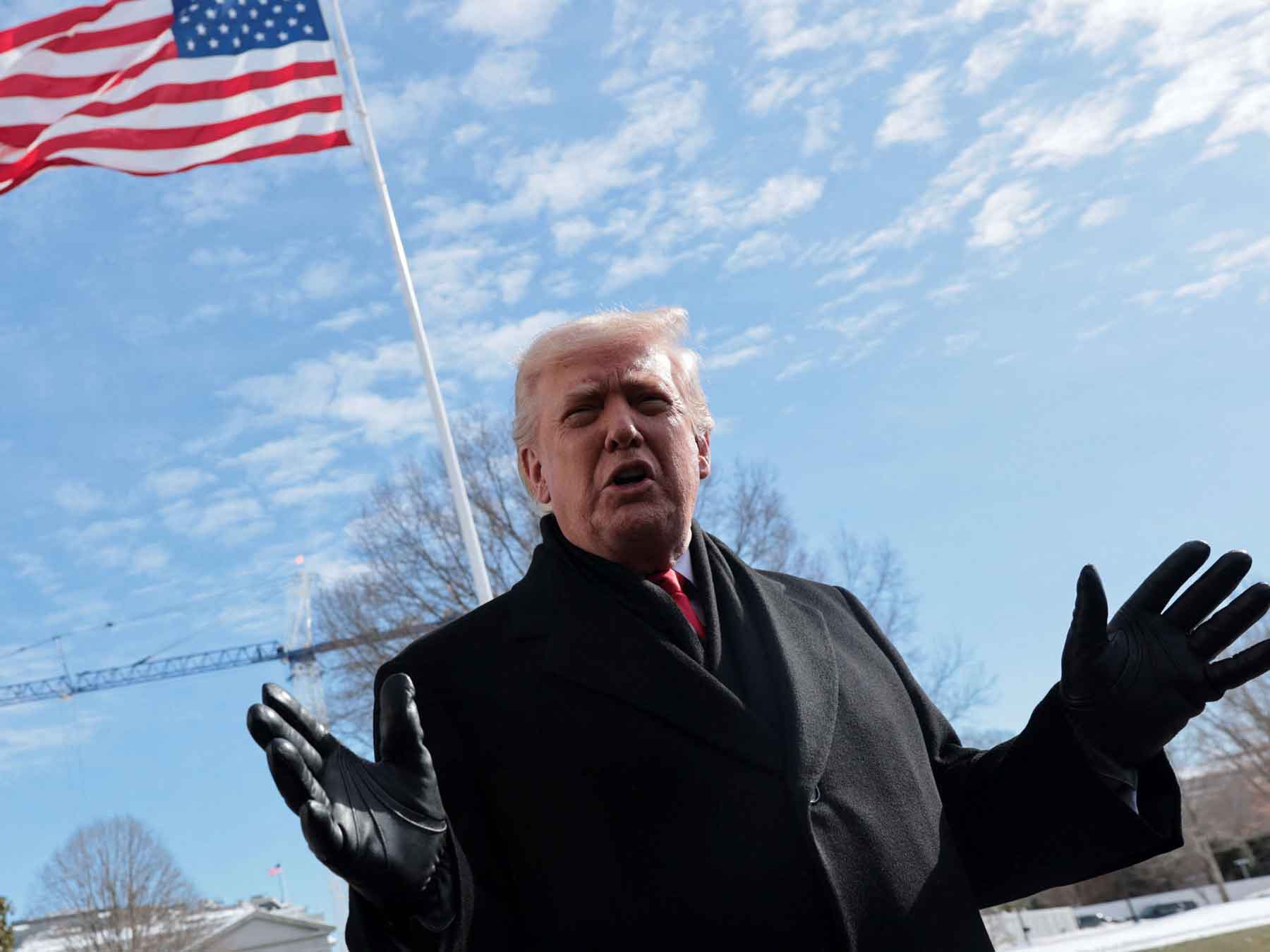
WASHINGTON / BAGHDAD – US President Donald Trump on Tuesday warned Iraq against appointing Nouri al-Maliki as prime minister, declaring that the United States would no longer offer assistance to the country if the former leader returned to power.
"I'm hearing that the Great Country of Iraq might make a very bad choice by reinstalling Nouri al-Maliki as Prime Minister," Trump wrote on Truth Social.
"Last time Maliki was in power, the Country descended into poverty and total chaos. That should not be allowed to happen again. Because of his insane policies and ideologies, if elected, the United States of America will no longer help Iraq."
Trump added that Iraq, without US support, would have "zero" chance of success. His comments are the clearest demonstration yet of the Republican president's efforts to limit the influence of Iran-linked groups in Iraq, a nation that has long balanced between the interests of Washington and Tehran.
The warning comes days after the Shia political blocs controlling a parliamentary majority nominated Maliki, a senior figure in the Shia Islamist Dawa Party, for a third term as prime minister.
Maliki previously held office from 2006 to 2014, a period marked by sectarian violence, power struggles with Sunni and Kurdish rivals and growing tensions with the United States. He stepped down after the Islamic State seized large portions of Iraq in 2014 but has remained influential, leading the State of Law coalition and maintaining close ties with Iran-backed factions.
As part of Trump’s pressure campaign, Washington has also threatened senior Iraqi politicians with sanctions if armed groups backed by Iran are included in the next government. Analysts say this reflects a broader US strategy to curb Tehran’s influence while reshaping Iraq’s political landscape.
Alongside this political pressure, a parallel effort is underway to tackle Iraq’s entrenched corruption. Mark Savaya, the United States Special Envoy to Iraq, said teams on the ground are working not only to support the formation of a new government free from militia dominance but also to confront a longstanding corruption crisis and trace stolen state funds.
“While our team works on the ground in Iraq to support the formation of a new government and to prevent Iranian backed militias from rising to positions of power, it is equally and even more critical to prepare for confronting the corruption crisis in Iraq,” Savaya said.
He stressed that the effort extends beyond tracking looted funds, emphasising the need to determine where the money ended up and how it was ultimately used. According to Savaya, authorities now possess comprehensive details about the individuals involved, including senior officials and family members who benefited from stolen Iraqi funds.
“These funds were not only used to purchase multiple properties across several countries, but were also used to obtain foreign citizenships and passports, sometimes under the same names and in other cases under different identities, in order to evade future tracking and accountability,” Savaya said. He noted that most cases are concentrated within the region, but some extend further abroad via citizenship-by-investment schemes.
The envoy warned that corruption not only undermines the Iraqi people and national security but also fuels terrorist activity.
“We will work very closely with the United States Treasury and OFAC to ensure that accountability is enforced on all wrongdoing parties without exception, that no one is above the law, and that justice is delivered to the Iraqi people,” he said.
The anti-corruption campaign coincides with growing US-Iraq coordination on regional stability. The US State Department described Iraq’s contributions in Syria and the wider region as “indispensable” to collective security and reflective of a “profound commitment to collective security.”
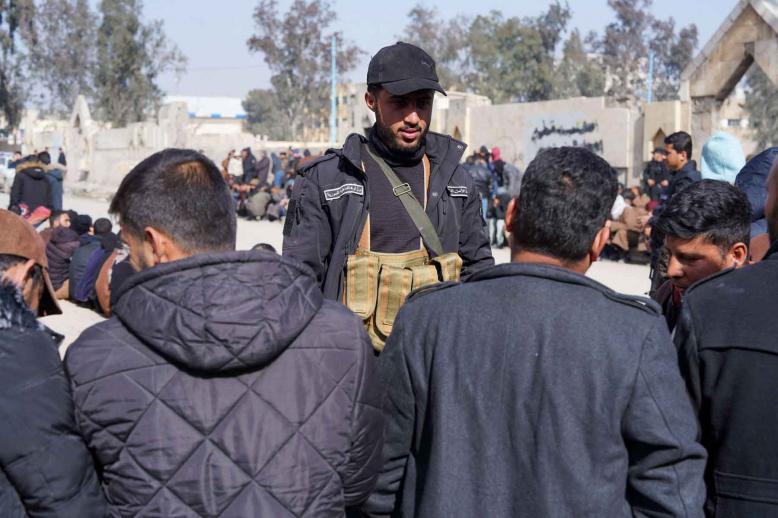
In a related development, US Secretary of State Marco Rubio spoke with Iraqi Prime Minister Mohammed Shia Sudani, commending Iraq’s role in relocating ISIS detainees from Syria to secure facilities inside Iraq. Rubio described the operation as critical amid instability in Western Kurdistan and stressed that Iraq’s stabilising role depends on maintaining political independence.
Analysts say the combined pressure on Maliki, the crackdown on corruption and the oversight of militia influence signal an unprecedented US effort to reshape Iraq’s governance and limit Iran-backed actors’ sway over Baghdad.