



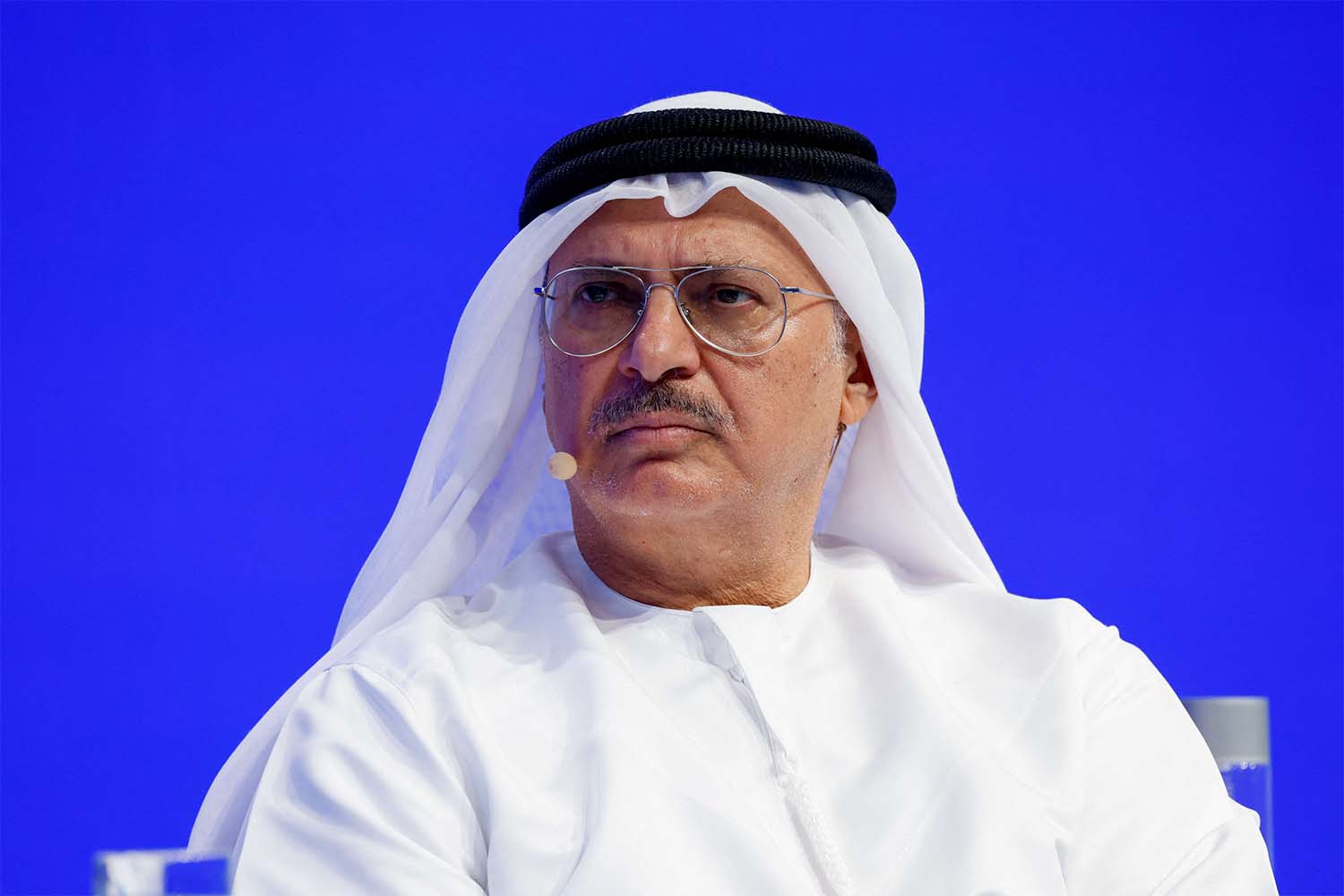
Gargash pinpointed the imminent threat of famine in Sudan as the most pressing emergency
UAE calls for immediate truce in Sudan
Diplomatic Adviser to the UAE president urges the warring factions to agree to a ceasefire and pledges that his country will intensify its humanitarian efforts to support millions affected by the conflict.
Thursday 06/11/2025
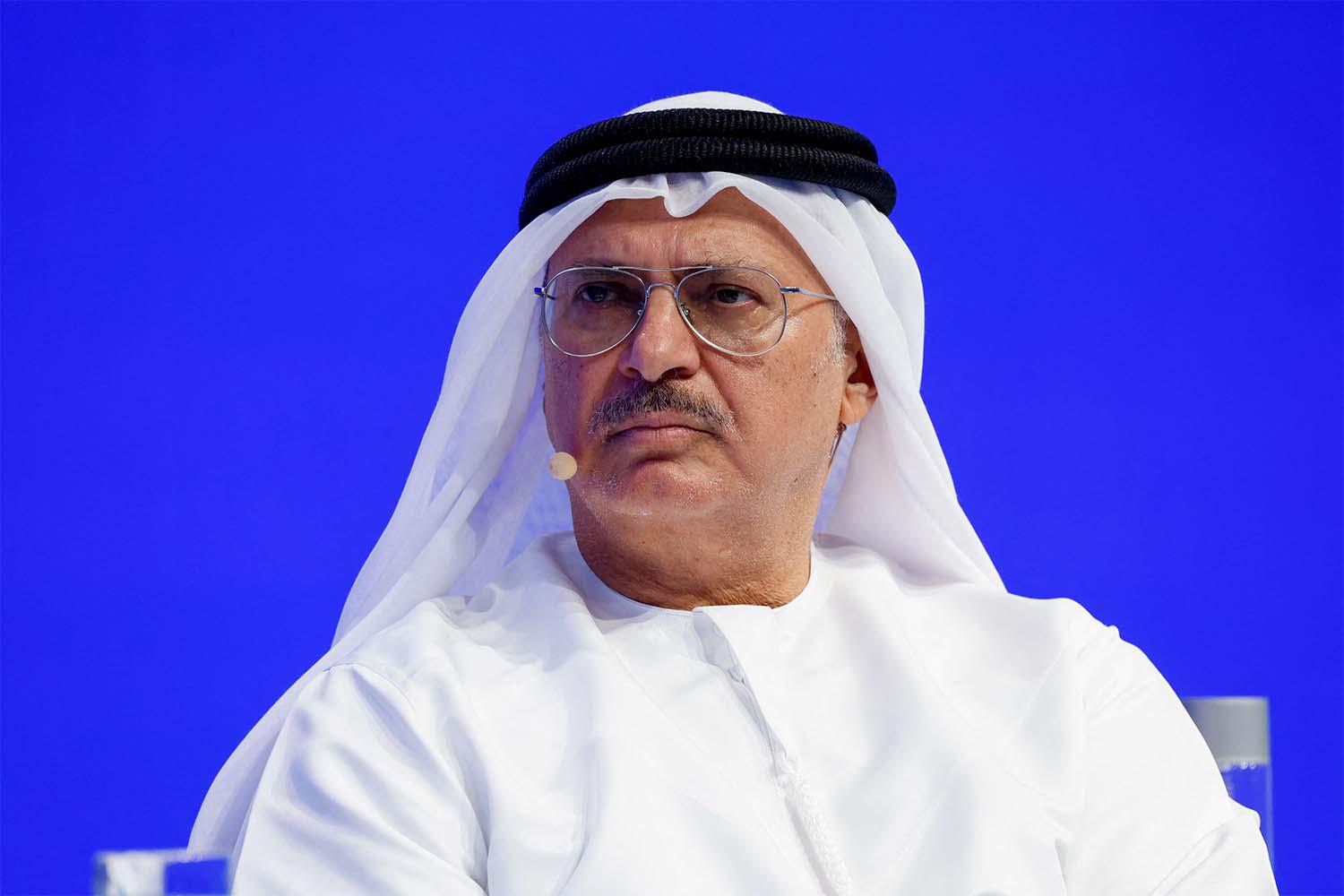
Gargash pinpointed the imminent threat of famine in Sudan as the most pressing emergency
ABU DHABI - The UAE renewed its call for an end to the war in Sudan, with Diplomatic Adviser to the UAE President Anwar Gargash, urging the warring factions to agree to a ceasefire and pledging that his country will intensify its humanitarian efforts to support millions affected by the conflict.
Speaking at a news conference during the Government Annual Meetings in Abu Dhabi on Wednesday, Gargash said the UAE “considers the Sudanese military and the RSF [Rapid Support Forces] as warring parties.”
“They are parties to the civil war, as well as 30 other militias. This is a very complicated picture,” he said, describing a conflict that has fractured Sudan and deepened the suffering of its people.
With escalating violence and the RSF’s control of El Fasher effectively dividing the country between east and west, Gargash voiced concern over Sudan’s territorial integrity.
“Our efforts to help the Sudanese people will continue,” he said. “We have 30 million Sudanese people who need food and nutrition, and nine million displaced.”
Now entering its third year, the war in Sudan has killed tens of thousands and displaced at least 13 million people. About 30 million, more than half the population, are facing hunger, with famine already declared in parts of Darfur.
The conflict erupted in April 2023, when tension between the Sudanese Armed Forces (SAF), led by General Abdel Fattah al-Burhan, and the paramilitary RSF, commanded by General Mohamed Dagalo, flared into open war.
What began as a power struggle between two former allies, who together staged a coup in 2021, has since evolved into one of the world’s gravest humanitarian and displacement crises.
Gargash said the UAE supports the position of the Quad, comprising the UAE, Saudi Arabia, Egypt and the United States, agreed in Washington last September, describing it as “the best path forward.”
“We have a remarkable document which was reached by the Quad; this statement is our pathway to a solution in Sudan,” he said, noting that the document calls for both sides to negotiate and outlines a nine-month transition to civilian rule.
Stressing the urgency of a ceasefire, Gargash questioned “why anybody would oppose an immediate ceasefire in these dire conditions”, indirectly criticising the Sudanese factions for prolonging the war.
He reiterated that the UAE’s priority is a political settlement that ensures Sudan’s transition to civilian rule rather than a return to dictatorship, as under former president Omar al-Bashir.
“We want negotiations, we want transition to civilian rule and most importantly we need a ceasefire,” Gargash said. “We have to safeguard what was concluded in the Quad statement ... it remains the salvage for Sudan and we need to protect that consensus and consider it the way forward.”
Gargash also highlighted growing frustration among humanitarian agencies, saying that armed groups were preventing aid from reaching those in need.
“The UAE remains one of the largest donors in Sudan but we are suffering from limited access and that is extremely important,” he said, calling for a three-month truce on humanitarian grounds.
Condemning the violence in El Fasher and elsewhere, Gargash said, “The UAE condemns all atrocities in El Fasher ... all atrocities in this savage civil war.” He urged accountability for crimes committed during the conflict, insisting that “people should be brought to justice. I cannot emphasise enough how important it is that these dire humanitarian situations are addressed immediately.”
A Nation on the Brink of Famine
Gargash pinpointed the imminent threat of famine as the most pressing emergency. "We are facing a very serious situation," he stated, emphasizing that the window to prevent mass starvation is rapidly closing. His warning underscores what aid agencies have been reporting for months: Sudan is home to the world's largest displacement crisis, with millions trapped in conflict zones, cut off from food, water, and medicine.
The ongoing conflict between the Sudanese army and the RSF has decimated agriculture, disrupted supply routes, and pushed the country's food distribution system to collapse. The upcoming rainy season threatens to exacerbate the crisis, making vast regions inaccessible to aid convoys and creating a perfect storm for disease outbreaks alongside hunger.
Concluding his remarks, Gargash described the Sudanese war as “a battle of the weak whereby neither side can win” militarily, underscoring the need for diplomacy and sustained humanitarian engagement.
During his participation in the IISS Manama Dialogue Forum 2025 earlier this week, Gargash said the UAE will announce a humanitarian aid package worth $100 million for Sudan.
He said the aid would be directed mainly to support people affected across various regions of Sudan, including El Fasher and other areas.
Gargash noted that the UAE is intensifying its humanitarian efforts through its field hospitals in Chad and South Sudan. He highlighted the importance of ensuring that aid reaches those in need without obstruction to guarantee effective delivery.
He added that the aid efforts will not be limited to the UAE alone but will include contributions from several other countries. The support is being delivered through the Emirates Red Crescent, international organisations, the World Food Programme and other humanitarian agencies.