


Extensive government and administrative background
UAE reshuffles media authority leadership amid digital, geopolitical shifts
The appointments come at a time of heightened regional and global volatility, as governments grapple with the accelerating impact of digital platforms and artificial intelligence.
Wednesday 07/01/2026
Extensive government and administrative background
ABU DHABI –
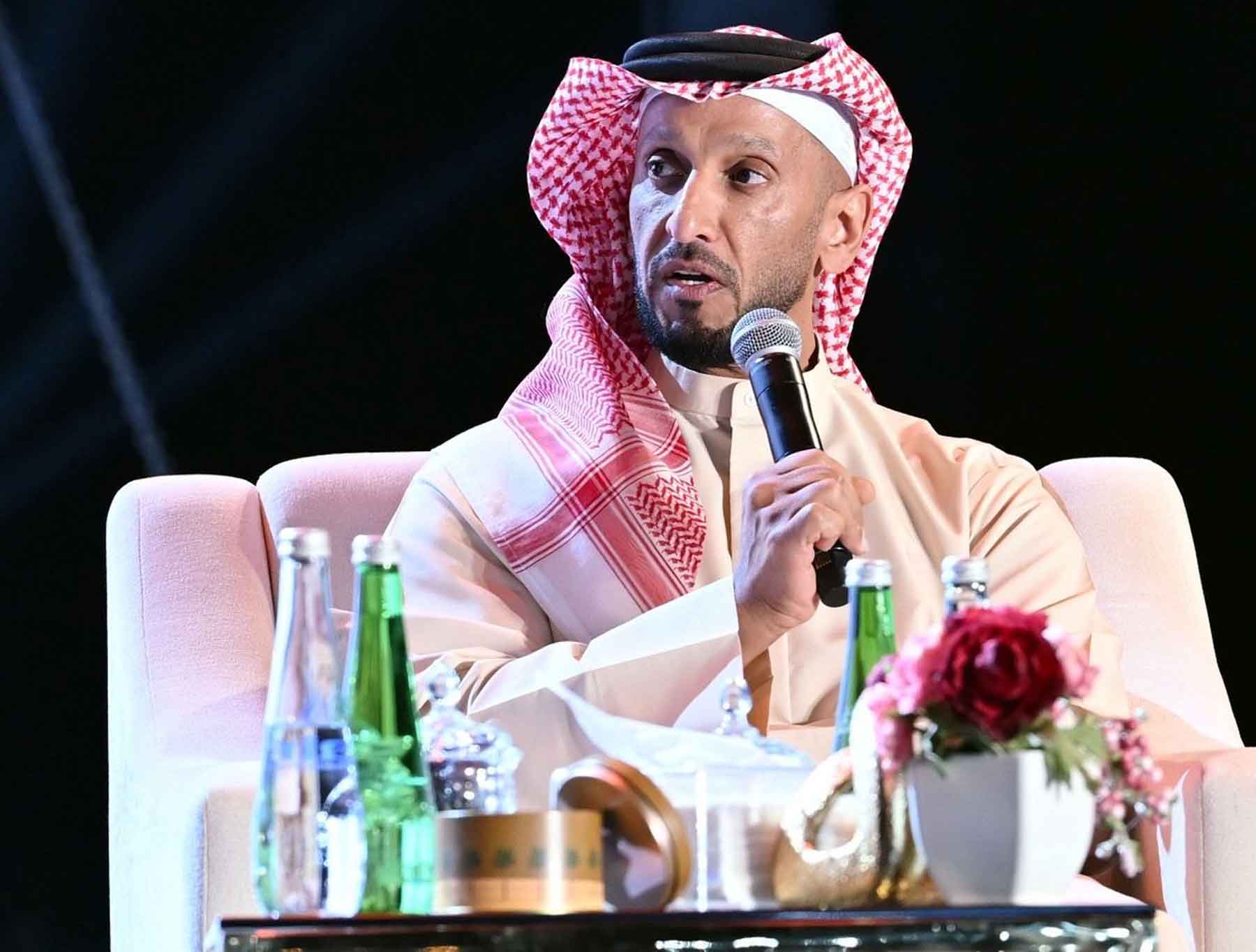
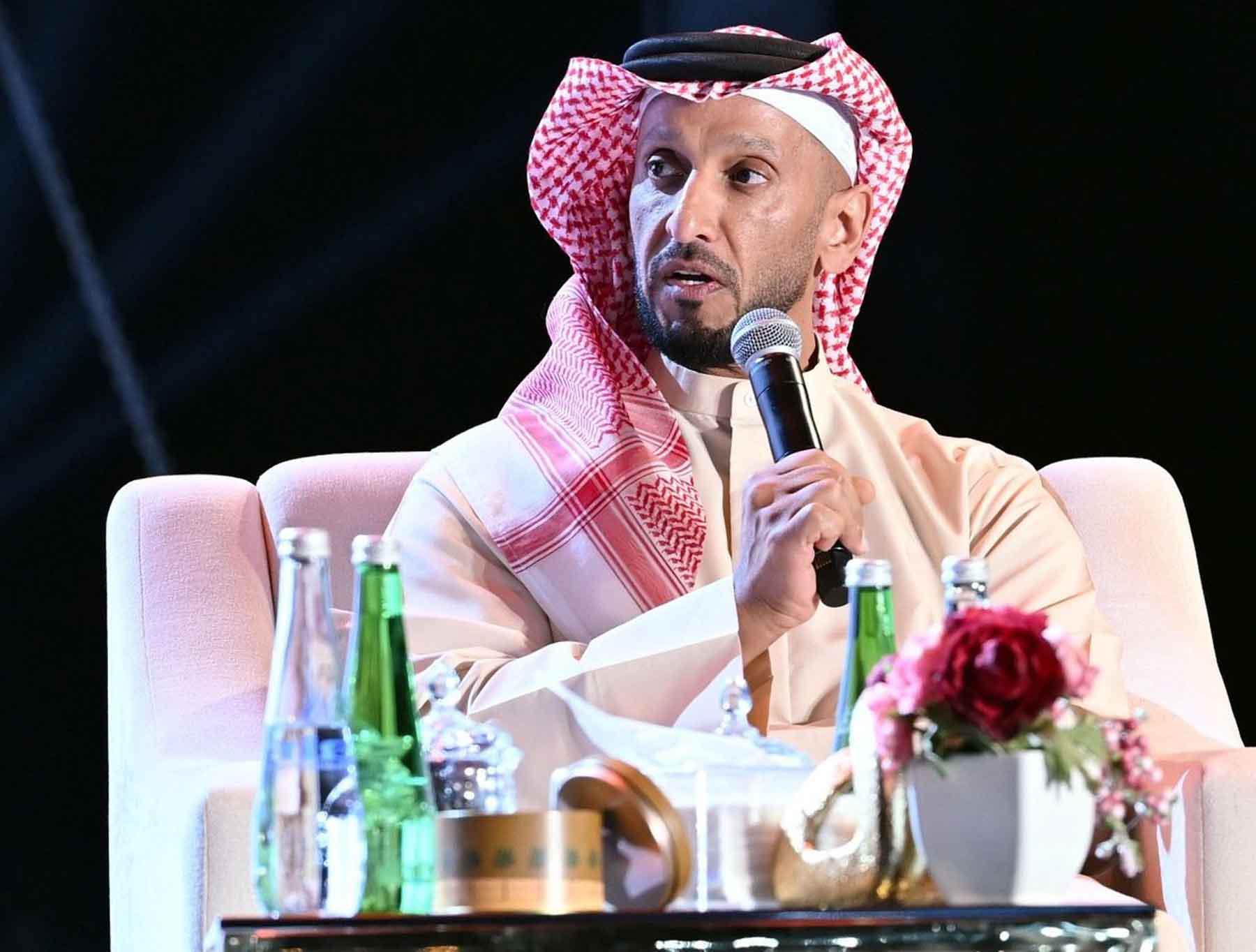
United Arab Emirates President Sheikh Mohamed bin Zayed Al Nahyan issued two federal decrees appointing Sheikh Abdullah bin Mohammed bin Butti Al Hamed as chairman of the National Media Authority and Mohammad Saeed Al Shehhi as vice-chairman, underscoring the growing strategic weight of media in the country’s decision-making architecture.
The appointments come at a time of heightened regional and global volatility, as governments grapple with the accelerating impact of digital platforms, artificial intelligence and cross-border media on public opinion, national narratives and state interests. Emirati officials view the evolving media landscape as both a challenge and an opportunity, requiring tighter governance alongside innovation to safeguard national priorities.
According to officials familiar with the restructuring, the move reflects a broader recalibration of the UAE’s media policy to keep pace with rapid technological change, the expansion of transnational platforms and intensifying competition over narratives in an increasingly fragmented global information space.
Sheikh Mohamed has repeatedly stressed that adapting to digital transformation is a strategic necessity rather than an option, particularly as media tools become central to economic competitiveness, social cohesion and soft power. The Emirati leadership believes that technological progress must be channelled through capable institutions to ensure it supports sustainable development and national stability.
The reshaping of the National Media Authority signals a view within the Emirati leadership that media now ranks alongside diplomacy and the economy as a pillar of national security and influence. Over the past decade, the UAE has promoted a model in which media is treated as a partner in development, a stabilising force and a platform for projecting a modern state that balances openness with institutional discipline.
Sheikh Abdullah Al Hamed’s appointment is widely seen as drawing on his extensive government and administrative background. Born in February 1973, he holds a bachelor’s degree in business administration from Marylhurst University in the US state of Oregon and an MBA from the New York Institute of Technology in Abu Dhabi.
Over more than two decades, he has held senior roles across key state institutions, including membership of Abu Dhabi’s Executive Council and its executive committee, as well as board positions at major national entities such as Abu Dhabi Developmental Holding Company, Zayed Authority for People of Determination, the Abu Dhabi Early Childhood Authority and the Frontline Heroes Office.
He has also led strategic sectors including energy and utilities, serving as chairman of the Energy Authority, head of the Regulation and Supervision Bureau, a member of the Supreme Petroleum Council, and chairman of the Abu Dhabi Water and Electricity Authority. These roles gave him experience managing complex portfolios where regulatory, economic and development priorities intersect.
His career has included a diplomatic dimension. Between 2012 and 2014, Sheikh Abdullah served as undersecretary at the Ministry of Foreign Affairs and headed the European Affairs Department, providing him with direct exposure to international policymaking and the role of media in supporting foreign policy and shaping national image abroad.
He later chaired the Western Region Development Council and served as undersecretary of the Ruler’s Representative Court in the Western Region, deepening his understanding of the link between local development, institutional communication and public engagement.
Sheikh Abdullah has also participated in advanced leadership programmes at institutions including Harvard, Oxford and the Singapore Civil Service College, alongside specialised courses in crisis leadership, decision-making, negotiation and governance. Observers say this background aligns with the demands of leading a media sector facing fast-moving technological and political challenges.
In a post on social media platform X, Sheikh Abdullah thanked Sheikh Mohamed for his confidence, describing the appointment as a national responsibility. He said the task required sustained work to translate the president’s vision into a modern, credible national media capable of reflecting the UAE’s ambitions and global standing.
He said the authority would seek to develop an authentic national narrative, build public trust and produce content that raises awareness and inspires future generations, while working closely with national media institutions to strengthen the sector’s global competitiveness.
Shehhi’s appointment as vice-chairman is expected to reinforce executive capacity and help translate strategic direction into operational policies. Officials say the pairing reflects a balance between leadership vision and administrative execution, aimed at improving daily performance and institutional efficiency.
In his own statement on X, Shehhi said he was honoured by the leadership’s trust and pledged to work with media professionals, institutions and platforms to enhance the UAE’s media readiness, competitiveness and international presence under Sheikh Abdullah’s leadership.
Analysts say the appointments reflect a conviction within the Emirati leadership that the future of media lies in strategic planning, institutional strength and investment in talent, rather than reactive or traditional approaches. The move signals a new phase for the UAE’s media sector, one designed to enhance its influence at home and abroad at a time when information and narrative power are increasingly central to global politics and economics.