


A strong Moroccan diplomacy that is bearing its fruit
UN Security Council moves to affirm Morocco's sovereignty over its Sahara
The anticipated decision will form a decisive turning point in the conflict file and is, in the end, the fruit of the success of King Mohammed VI's approach, which made political realism and quiet diplomacy two pillars in undermining the separatist proposal of the Polisario, supported by Algeria.
Friday 31/10/2025
A strong Moroccan diplomacy that is bearing its fruit
NEW YORK – The conflict over the Sahara stands at a decisive turning point as the UN Security Council nears a majority vote on a new draft resolution supporting the Moroccan autonomy plan as the "most viable and realistic solution."
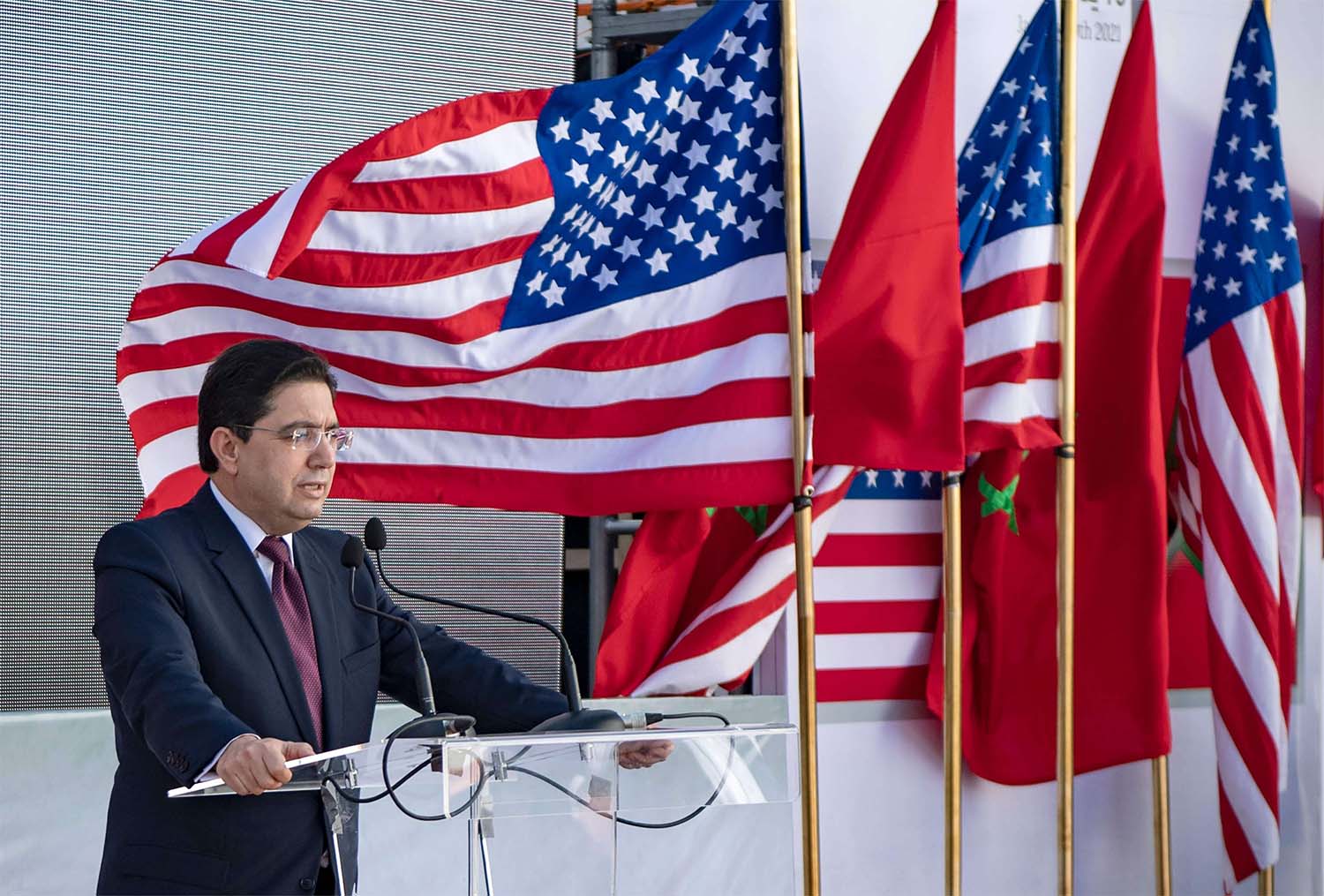
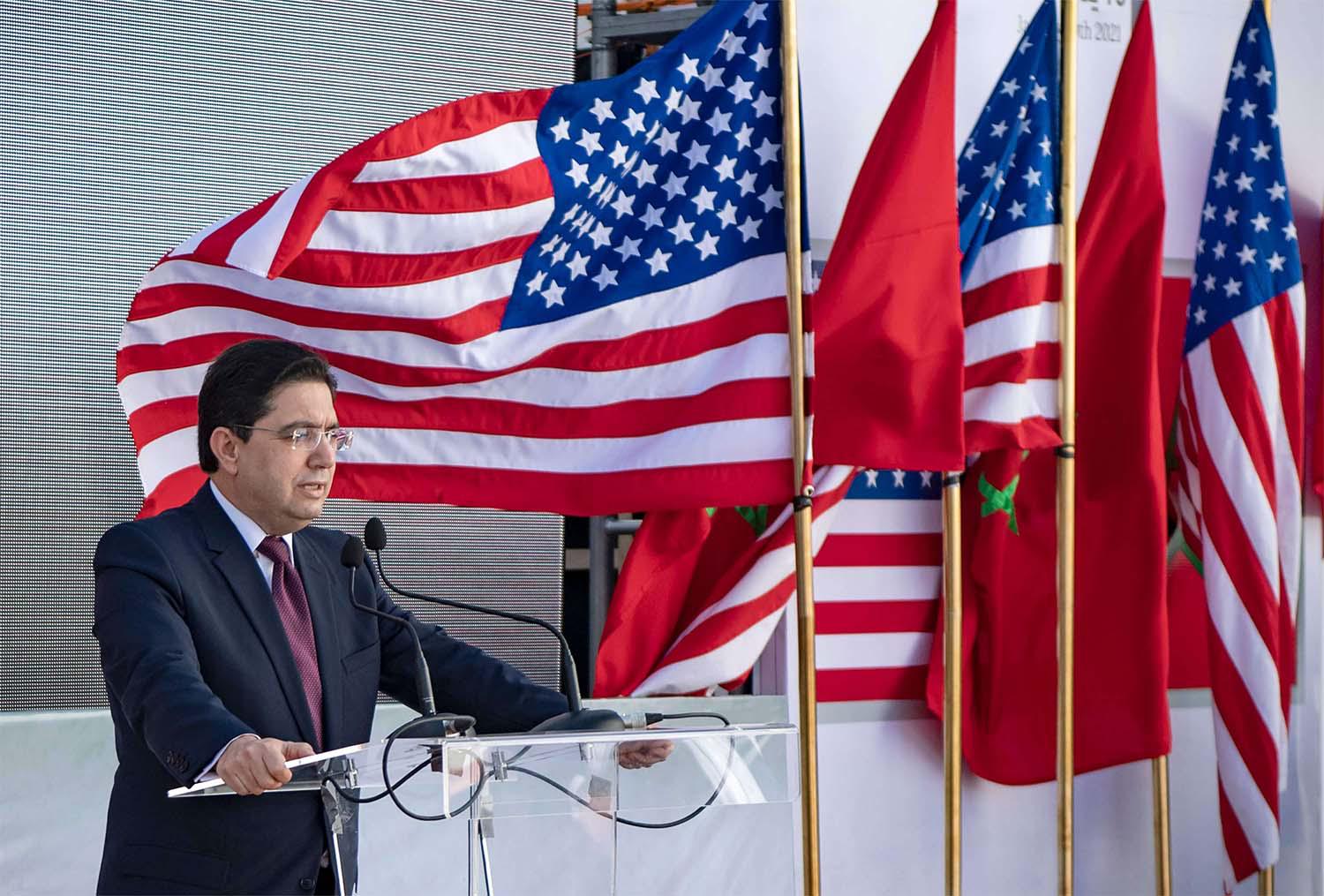
This represents a crucial diplomatic success for Morocco, which, thanks to the vision of King Mohammed VI, has managed to transform its initiative into an internationally adopted option supported by major powers led by the United States and France.
A Shift in the Course of International Efforts
The draft resolution, prepared by Washington, recommends extending the mandate of the UN Mission for the Referendum in Western Sahara (MINURSO) for an additional year and clearly indicates that autonomy under Moroccan sovereignty is the realistic and permanent solution to the conflict. The resolution requires the approval of at least nine members without any of the five permanent members using their veto.
The five permanent members of the Security Council support Morocco's autonomy proposal as the only viable solution to the contrived conflict. These countries are China and Russia, both of which have expressed positive stances or signals in favour of the Moroccan initiative, as well as the United States, France, and the United Kingdom, which have explicitly declared their support for the Moroccan proposal.
China, through its Foreign Minister Wang Yi, announced its "steadfast" position on the issue of the Moroccan Sahara, affirming its support for a political and negotiated solution as the primary path to settling the conflict, noting that the UN and Security Council resolutions form the main reference framework for this settlement.
This came during a phone call with his Algerian counterpart, Ahmed Attaf, who presented Algeria's position on the conflict. Wang Yi emphasized that dialogue and consultation between the concerned parties is the right path to reaching a solution acceptable to all, based on the principles of justice and fairness.
Observers considered that the Chinese position did not meet the expectations of Algeria and the Polisario Front, as the Algerian Foreign Ministry's statement merely mentioned the call without providing any details about Beijing's stance, reflecting a clear non-alignment with the separatist proposal.
Simultaneously, it is noted that China has not yet declared its direct support for the Moroccan autonomy initiative, but it has on previous occasions expressed a relative inclination towards the Moroccan proposal, emphasizing respect for state sovereignty and territorial integrity - a position consistent with its policy towards separatist files internally, such as the Taiwan issue.
This Chinese orientation confirms the importance of international and diplomatic dialogue in resolving regional conflicts and places China in a position supporting UN efforts to resolve the Sahara conflict politically, away from aligning with any party. This enhances the chances of adopting realistic and implementable solutions on the ground and confirms China's role as an international actor seeking to maintain regional stability and coordinate with international initiatives to resolve the conflict.
Diplomats believe the anticipated vote will be a decisive turning point in addressing the issue within the United Nations, with growing international acceptance of the Moroccan approach based on realism and consensus instead of the slogans of separation and referendum, which they say are "out of context with the times."
Permanent members of the Security Council support the Moroccan proposal, confirming that the vote on the draft resolution will be in favour of the Moroccan vision for resolving the conflict fabricated by the Polisario Front and Algeria, thereby ending the illusions of the separatist front and its Algerian sponsor.
A Royal Vision that Outlined the Transformation
Behind this shift is the approach of King Mohammed VI, who made political realism and quiet diplomacy two pillars in addressing the Sahara issue. Since his accession to the throne, the Moroccan monarch has adopted a gradual vision aimed at dismantling support belts for the separatist proposal represented by the Polisario Front with Algerian support, by expanding the network of strategic partnerships and enhancing Morocco's presence in Africa, Europe, and Latin America.
This vision has yielded tangible results, as several countries from five continents have adopted positions supporting the autonomy initiative, while more than thirty countries have opened their consulates in Laayoune and Dakhla, representing a de facto recognition of Moroccan sovereignty over the territory.
The Moroccanness of the Sahara as an Organizing Principle of Foreign Policy
The major shift came with the royal speech in which King Mohammed VI announced that Morocco views its international relations through the lens of the Moroccanness of the Sahara, emphasizing that Morocco's sovereignty and territorial integrity are a "national constant that is not subject to negotiation or bargaining."
This decisive principle has made the Sahara issue a governing standard in the orientations of Moroccan diplomacy and has clearly sent a message to international capitals that any partnership or alliance with Rabat must align with this national constant.
This clear stance has successfully attracted increasing support for the Moroccan approach, as Washington and Paris, along with London and Madrid, have adopted a consistent position supporting the autonomy plan as the only serious framework for negotiation.
International Support Widens Around the Moroccan Initiative
The United States and France are leading the move within the Security Council to cement this new direction. The White House renewed its support for the Moroccan proposal, affirming that "autonomy under Moroccan sovereignty is the only realistic solution," while France confirmed that the Moroccan plan "represents the most serious and credible basis for a political settlement."
The United Kingdom and Spain have joined this position, resembling the formation of an international axis supporting Morocco within the Council, while Algeria remains clinging to the option of separation, which the international community considers unworkable.
The draft resolution is expected to receive comfortable majority support from members, indicating the success of Moroccan diplomacy in establishing its vision as a recognized reference within the United Nations.
A Russian Shift that Enhances International Momentum for the Moroccan Proposal
In this context, a notable shift in Russia's position is recorded. Russia has effectively ended the phase of what was known as a policy of "positive neutrality" in the Sahara conflict, showing in recent months a clear inclination towards the Moroccan approach, whether through official diplomatic statements or positions within the corridors of the UN. Moscow has given positive signals supporting efforts to make autonomy under Moroccan sovereignty a realistic basis for a political solution.
Observers consider this shift a qualitative development that moves Russia from the position of a spectator to the ranks of major powers supporting a realistic settlement, which in turn enhances the growing international momentum around the Moroccan proposal within the Security Council.
In recent years, dozens of countries across five continents have joined this trend, including Germany, the Netherlands, Belgium, Cyprus, Romania, Hungary, and Serbia in Europe; the UAE, Bahrain, Jordan, and Oman in the Arab world; Senegal, Côte d'Ivoire, Gabon, and Niger in Africa; along with Chile, Brazil, the Dominican Republic, and Paraguay in Latin America.
This widening support reflects the success of Moroccan diplomacy in building a global, multilateral alliance based on the conviction that the autonomy initiative constitutes the only applicable solution and a guarantor of regional stability.
Moroccan Realism Redraws Regional Balances
The Moroccan approach, based on realism, gradualism, and economic openness, has made the Southern Provinces a model of integrated development. Laayoune and Dakhla have transformed into major economic centers, and investments in renewable energy and infrastructure have increased, strengthening Morocco's developmental and sovereign legitimacy on the ground, in contrast to the erosion of the separatist discourse, which has lost much of its regional and international momentum.
Analysts believe the upcoming vote will be an implicit UN recognition of the realism of the Moroccan approach and that Morocco is on the verge of crowning a long diplomatic path established by King Mohammed VI through clarity of vision and firmness of position.
A European diplomat in New York said, "What Morocco has achieved in the Security Council is the culmination of a royal diplomatic doctrine that made the Moroccanness of the Sahara the cornerstone of foreign policy. Today, no one doubts that the only possible political solution is autonomy under Moroccan sovereignty."
With these developments, the Sahara file is entering a pivotal phase marked by Moroccan realism and the clarity of the royal vision, as the United Nations moves to adopt Rabat's approach as a practical framework for the final solution. This redraws the balances of the Maghreb region and solidifies Morocco's status as a regional stabilizing force and a trusted strategic partner.