



UN estimates indicate that around 4.5 million girls face the risk of FGM in 2026 alone
Alarming figures bring female genital mutilation back to the heart of societal debate
More than 230 million girls and women worldwide live with the physical and psychological effects of female genital mutilation, a practice still carried out under social, cultural, or religious pretexts despite lacking any religious, ethical, or medical justification.
Saturday 07/02/2026
UN estimates indicate that around 4.5 million girls face the risk of FGM in 2026 alone
NEW YORK – Leaders of UN organizations, led by the Director-General of the World Health Organization, the Director-General of UNESCO, the UN High Commissioner for Human Rights, the Executive Director of the UN Population Fund, the Executive Director of UNICEF, and the Executive Director of UN Women, have warned of the worsening and persistence of female genital mutilation (FGM) on the International Day of Zero Tolerance for this phenomenon.
Data from these organizations reveal terrifying figures.
While many believe harmful practices against women and girls are relics of the past, FGM reimposes itself as an open wound on the human conscience, threatening millions of girls worldwide—including alarming numbers in some Arab countries. The UN's latest warning is not merely statistics or a protocol statement, but a stark alert that time is not on the victims' side, and any lapse in commitment could turn back the clock.
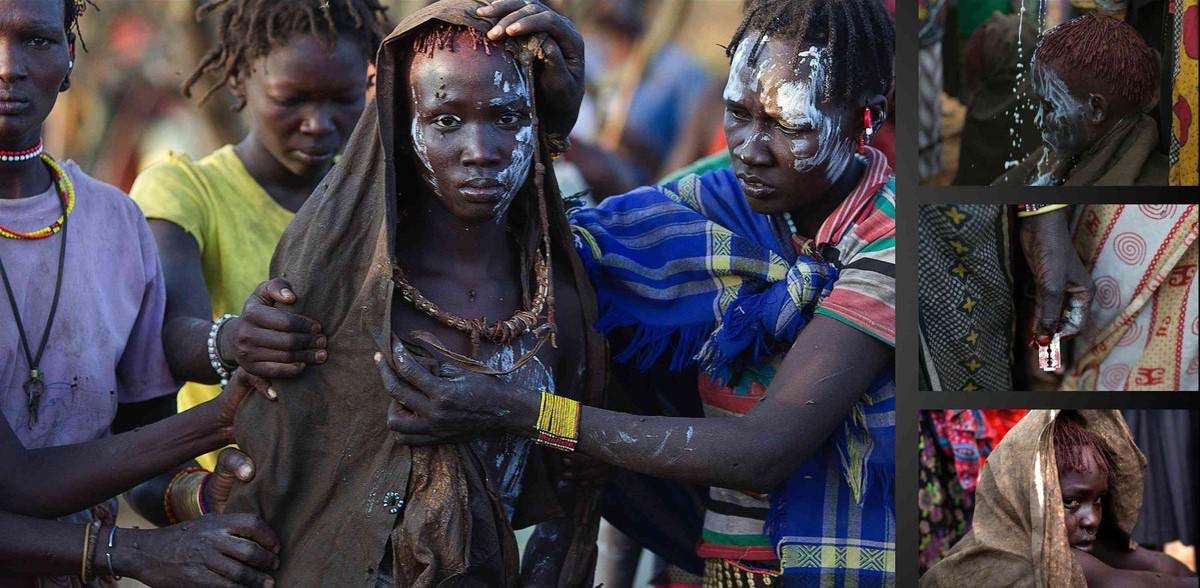
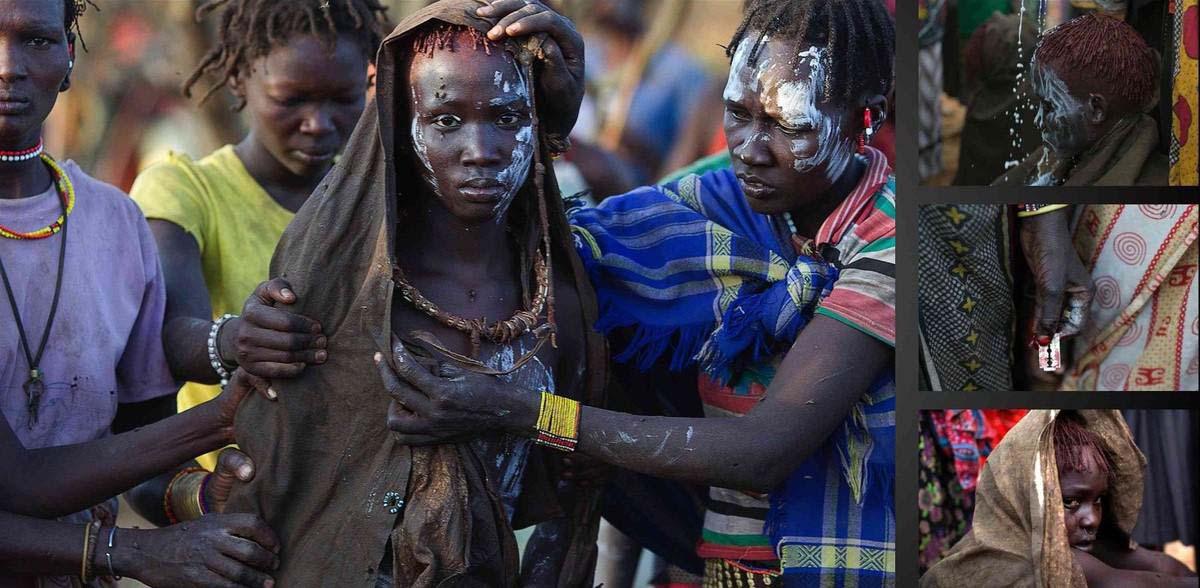
UN estimates indicate that around 4.5 million girls face the risk of FGM in 2026 alone, many under the age of five. Meanwhile, over 230 million girls and women globally endure the physical and psychological consequences of this practice, which persists under social, cultural, or religious labels despite having no religious, ethical, or medical basis.
FGM is neither a "tradition" nor a "rite of passage," but a blatant violation of human rights and a direct assault on a girl's right to bodily integrity and human dignity. It leaves severe health complications, from acute bleeding and chronic infections to childbirth difficulties and long-term psychological trauma, alongside profound impacts on a woman's social and emotional life. The annual cost of treating these complications is estimated at about $1.4 billion, reflecting a fully preventable health and economic burden.
Though commonly associated with sub-Saharan African countries, the practice has not vanished from the Arab world. In some Arab communities, it continues openly or secretly—sometimes in rural or marginalized areas, other times under the guise of "medical intervention," which the UN strongly warns against. No matter the form or location, FGM remains mutilation and violation; it does not become "less harmful" when performed by a doctor.
The positive news is that the past three decades have seen tangible progress: data shows nearly two-thirds of people in countries where FGM is prevalent now support its elimination. Half of the progress recorded since 1990 was achieved in the last decade alone, reducing the proportion of at-risk girls from one in two to one in three. This shift proves change is possible—but not guaranteed.
Today's real danger lies in waning international investments and support. As 2030—the target date for the Sustainable Development Goal to end FGM—approaches, preventive programs face acute financial pressures. Cuts in funding for health, education, and child protection mean fewer awareness campaigns, weaker services for survivors, and greater space for harmful practices to return in the shadows.
The picture grows more complex with rising counter-narratives resisting protection efforts, attempting to justify or "normalize" FGM under cultural or medical pretexts. This rhetoric not only endangers girls but undermines years of cumulative work, reproducing violence against women with new tools.
The UN affirms that proven solutions exist: health education, engaging religious and community leaders, empowering parents with knowledge, integrating the issue into school curricula, and leveraging traditional media and social platforms to shift behaviors. Supporting survivors through comprehensive healthcare, psychological and social assistance, and legal protection is not just humanitarian work—it's a moral imperative.
The figures show that investing in ending FGM is not a burden but an opportunity: every dollar invested yields a tenfold return. An investment of $2.8 billion could prevent 20 million cases and generate an economic return estimated at $28 billion—not to mention the immeasurable human return.
Today's UN warning is an open call to governments, communities, and media—especially in the Arab world—to break the silence and shine a light on this phenomenon without equivocation. Ending FGM is not "someone else's issue," but a collective responsibility that begins with acknowledgment, continues with action, and ends with protecting every girl from having pain inscribed on her body in the name of custom, fear, or ignorance.