

Freed
Algeria pardons writer Boualem Sansal
The Algerian government says Germany will take charge of the transfer and treatment of Sansal, who has prostate cancer.
Wednesday 12/11/2025
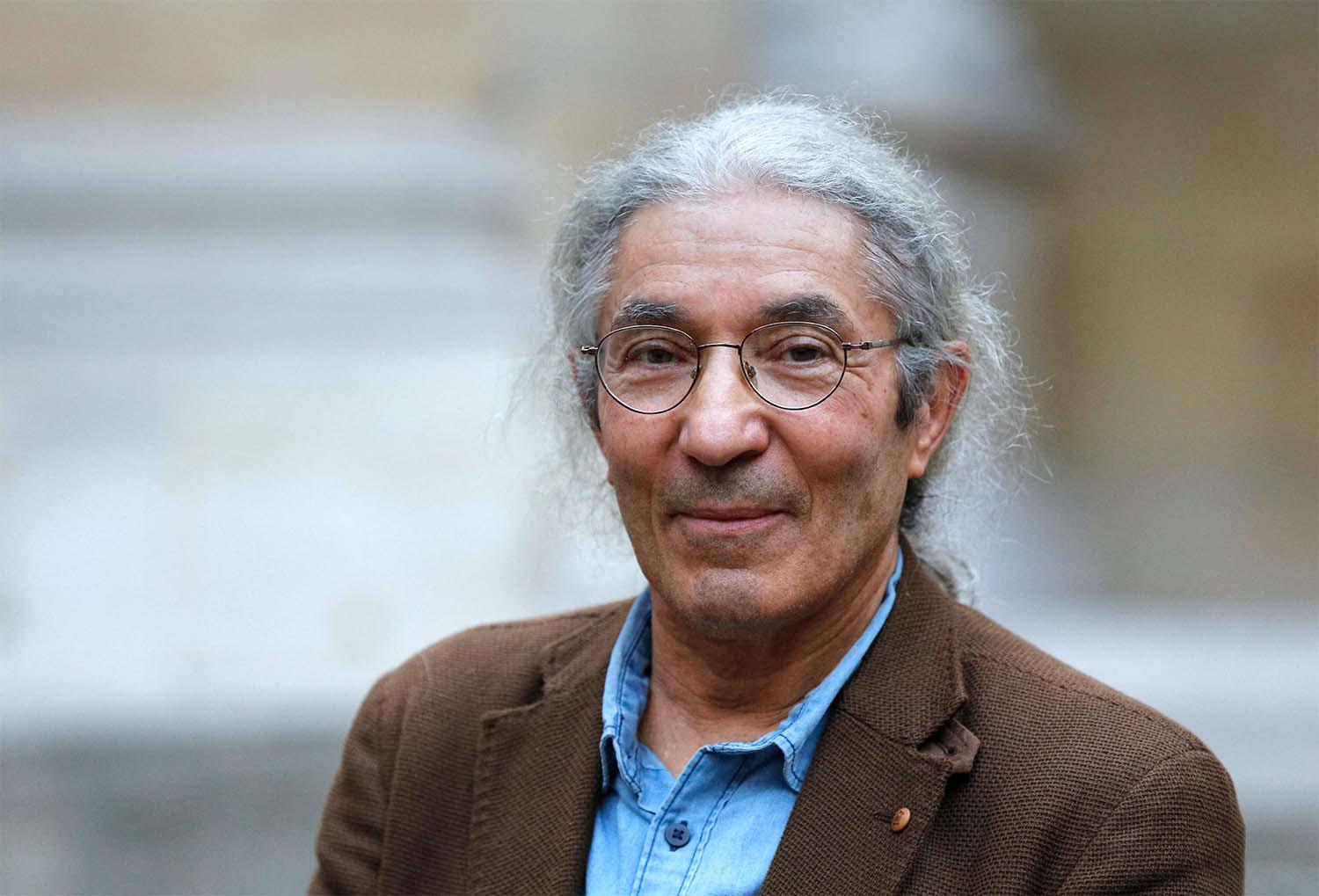
Freed
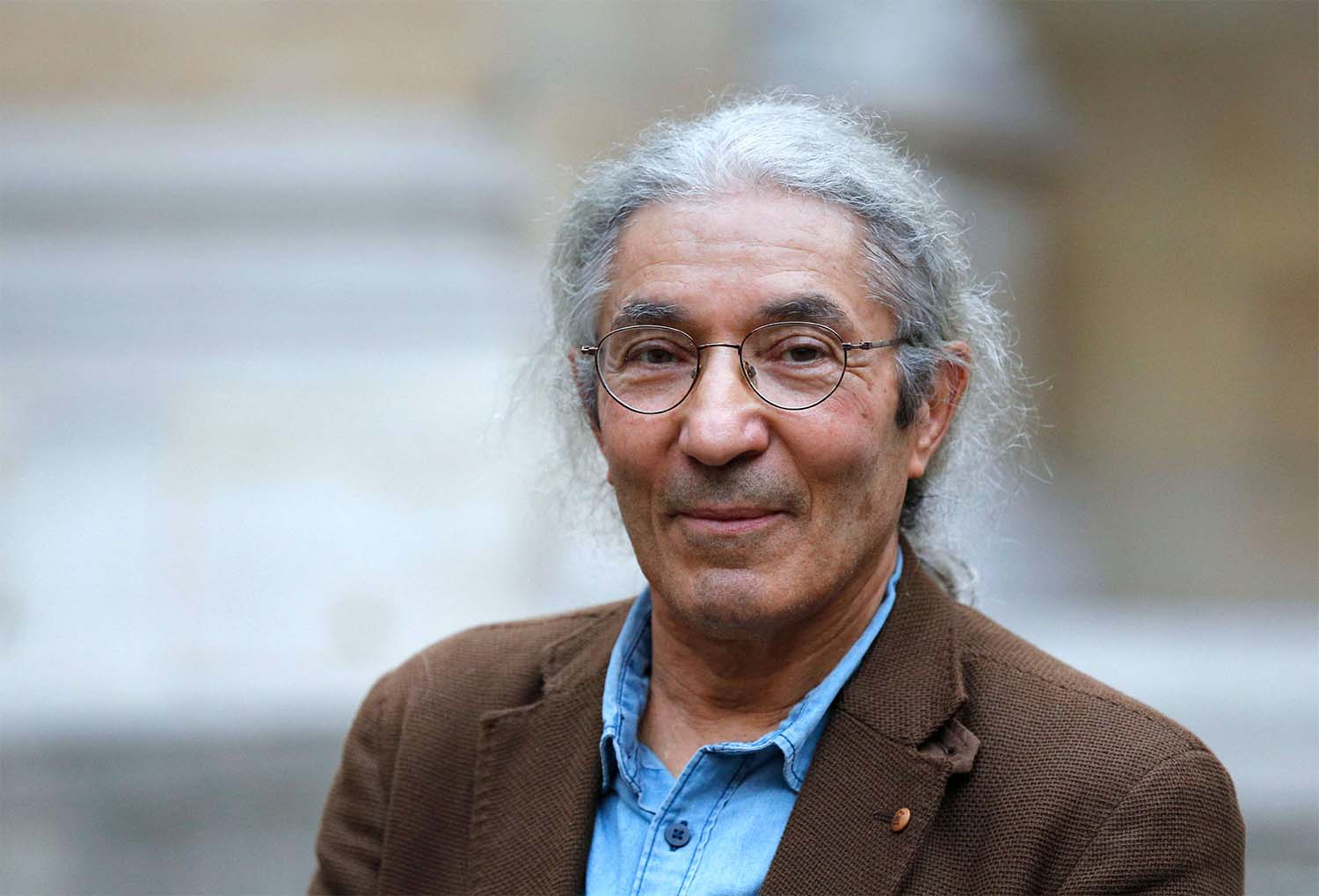
ALGIERS - The Algerian government granted Wednesday a presidential pardon to one of its most prominent and controversial literary figures, Boualem Sansal, in a move that has sent ripples through literary and political circles, after a request from Germany, to where he will be transferred for medical treatment after a year in detention.
After German President Frank-Walter Steinmeier on Monday urged Algeria to free the 81-year-old, "the president of the republic decided to respond positively", the Algerian presidency said.
The pardon effectively ends a years-long legal battle that had seen the acclaimed writer sentenced to prison and his voice officially suppressed.
The case of Sansal is more than a simple legal matter; it is a potent symbol of the tense relationship between art and power, and his release raises questions about the space for critical discourse in contemporary Algeria.
The statement said Germany would take charge of the transfer and treatment of Sansal, who has prostate cancer, according to his family.
Sansal was given a five-year jail term in March, accused of undermining Algeria's territorial integrity after he told a far-right French outlet last year that France had unjustly transferred Moroccan territory to Algeria during the 1830 to 1962 colonial period.
Algeria views those ideas -- which align with longstanding Moroccan territorial claims -- as a challenge to its sovereignty.
He was arrested in November 2014 at Algiers airport. Because he did not appeal March's ruling, he was eligible for a presidential pardon.
Sansal is no stranger to controversy. A former high-ranking official in the Algerian government, he turned to writing later in life and quickly established himself as a fearless and unflinching critic of both the political establishment and the rising tide of Islamism.
His legal troubles began in earnest following the Hirak protest movement of 2019. Sansal was a vocal supporter of the massive, peaceful pro-democracy demonstrations that swept the country, calling for political change and an end to the old guard's dominance. In 2021, he was charged with "denigrating a constitutional institution" and "inciting an unarmed gathering" after he gave an interview to a foreign media outlet deemed critical of the government.
In 2022, an Algiers court sentenced him in absentia to a two-month prison term. Sansal, who maintained that the charges were politically motivated, refused to appeal, stating that to do so would legitimize a process he saw as unjust. The sentence hung over him, a constant threat and a mark of his official status as a dissident.
However, the pardon does not erase the underlying issues that led to Sansal's sentencing in the first place. Algeria's press freedom rankings remain low, and the legal framework used to prosecute him is still in place, potentially usable against other critical voices.