

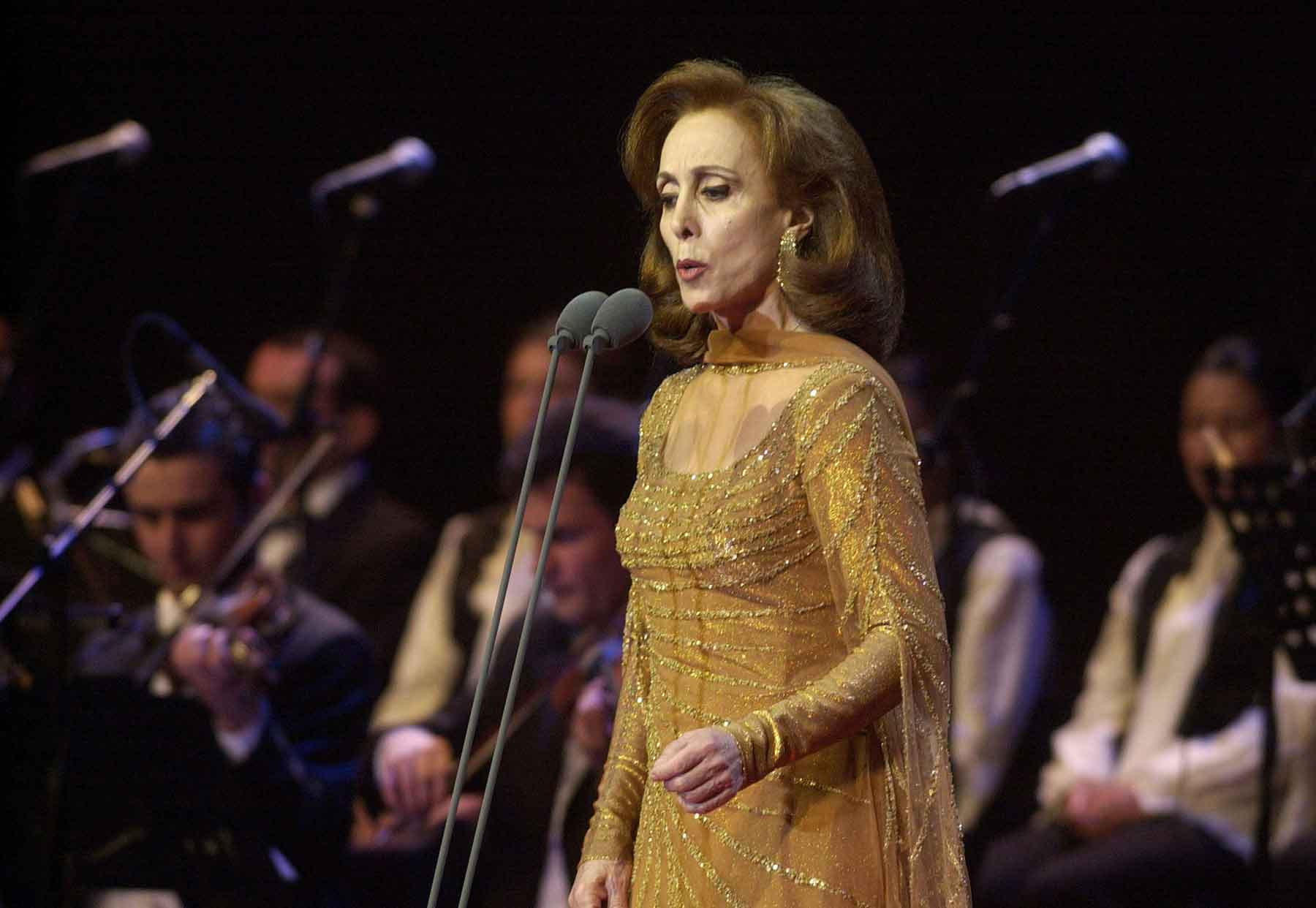
One of the Arab world’s most prominent and revered singers
Another blow for Fairouz as Rahbani household mourns Hali’s passing
Hali died on Thursday at the age of 68, marking another sombre chapter for a family still reeling from Ziad Rahbani’s death around six months ago.
Friday 09/01/2026
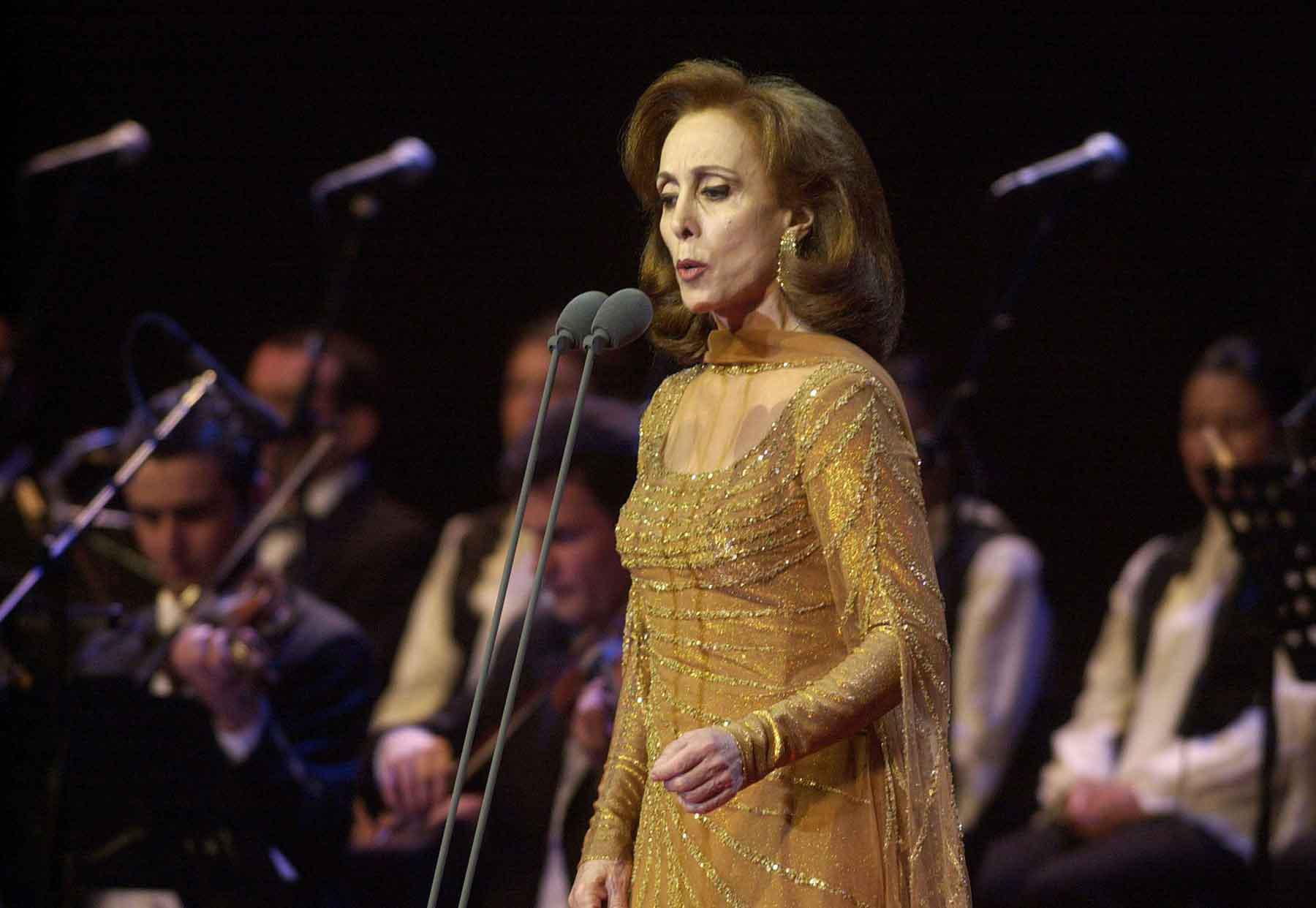
One of the Arab world’s most prominent and revered singers
BEIRUT –
Grief has once again descended on the Rahbani household with the death of Hali Assi Rahbani, the youngest son of legendary singer Fairouz, in a fresh tragedy that follows only months after the loss of his brother, composer and playwright Ziad Rahbani. The double bereavement has deepened the sorrow of a family whose name is inseparable from the cultural history of Lebanon and the Arab world.
Lebanon’s Information Minister Paul Morcos led official tributes, offering heartfelt condolences to Fairouz and the Rahbani family and underscoring the scale of the loss for the country as a whole. In a message posted on X, Morcos wrote: “My deepest condolences to Fairouz on the passing of her son Hali Rahbani, just months after the loss of the musician Ziad Rahbani. It is a painful loss for a family that has given Lebanon and the world an immeasurable artistic and human legacy. May he rest in peace, and may Fairouz and her family find patience and solace.”
According to Lebanon’s National News Agency, Hali died on Thursday at the age of 68, marking another sombre chapter for a family still reeling from Ziad Rahbani’s death around six months ago. Funeral prayers for Hali will be held at 3pm on Saturday, the 10th of this month, at the Church of Our Lady of the Dormition in Mahaydet, Bikfaya. Condolences will be received at the church hall from noon prior to the burial.
Born in 1958, Hali lived largely away from the public eye. He suffered from cognitive and motor disabilities from early childhood, conditions from which recovery was not expected. Yet Fairouz, renowned for her quiet dignity and emotional reserve, made his care a deeply personal mission. She devoted herself to his wellbeing with unwavering commitment, placing his needs at the centre of her daily life and shielding him from the glare of fame, a poignant reflection of a mother whose generosity extended beyond the stage to the most intimate corners of family life.
The Rahbani family’s story is deeply woven into Lebanon’s modern cultural identity. Fairouz married the late composer Assi Rahbani in 1954, and together they had four children: Ziad (born 1956), whose bold musical and theatrical work reshaped Lebanese cultural expression; Hali (1958); Layal (1960), who died in 1988 at the age of 29 after a stroke; and Rima (1965), a writer and director who now manages her mother’s artistic affairs.
Lebanon bid farewell to Ziad Rahbani in July, when he died aged 69 after a career that redefined Lebanese music and political theatre. Widely regarded as one of the country’s most daring cultural innovators, Ziad was more than a composer: he was a sharp social critic whose satirical plays and compositions confronted sectarianism, social hypocrisy and political paralysis, often challenging even the classical artistic legacy of his parents during his early years.
At the time of Ziad’s death, President Joseph Aoun described him as “not merely an artist, but a living conscience and a rebellious voice against injustice, a truthful mirror of people’s pain who played on the strings of truth without compromise.” His work, the president said, opened new horizons for Lebanese cultural expression and reached audiences far beyond the country’s borders.
Fairouz now lives with her daughter Rima, who recently shared deeply moving photographs on social media showing moments of family intimacy: Fairouz pushing Hali in his wheelchair as he converses with Ziad, images that resonated powerfully with the public and offered a rare glimpse into the private tenderness of an iconic household.
Lebanese media outlets were quick to mourn Hali, expressing solidarity with Fairouz, whose voice and presence occupy an unmatched place in the collective memory of Lebanon and the Arab world. For many, this latest loss transcends personal grief, capturing a moment of national mourning that reflects the quiet pain of a mother, the silence of a once-vibrant home, and the fading echoes of a family that shaped generations of cultural memory.